



10 Foods for Better Gut Health
Introduction
As a nutrition student, I’ve discovered that gut health is essential to both physical and mental well-being and isn’t merely a fad. The digestive system, sometimes known as the gut, is in charge of absorbing nutrients, digesting food, and sustaining innumerable bodily functions. Better immunity, more energy, a more balanced mood, and even healthier skin are all benefits of intestinal health. However, problems like bloating, constipation, and slow digestion soon follow when gut health deteriorates.Through my Human Nutrition and Dietetics studies, I’ve discovered that the food we choose has a powerful impact on gut health. Eating meals rich in probiotics, prebiotics, and dietary fiber can boost beneficial gut bacteria, improve digestion, and protect against harmful microbes. You don’t need fancy supplements to achieve good gut health—just consistent, smart food choices.
From probiotic-packed yogurt to fiber-filled bananas that naturally aid digestion, there are many affordable and accessible options to improve gut health. Even small, daily changes in what you eat can make a big difference in how your gut feels and functions.
Ten delicious and nutritionally supported gut-friendly foods will be highlighted in this post. You can experience more energy, a truly happy gut, and easier digestion by incorporating these into your regimen.
1. Yogurt: An Increase in Probiotics for Gut Health
 One of the greatest and simplest things you can eat to strengthen your gut is yogurt. Probiotics are beneficial gut bacteria that support the proper operation of your digestive system. Your gut’s equilibrium is restored by these helpful microorganisms, which facilitates food digestion, vitamin absorption, and general health maintenance.
Because it enhances food absorption, lessens bloating, and boosts immunity, a balanced population of gut bacteria is necessary for gut health. By naturally boosting these beneficial bacteria, yogurt provides your stomach with the resources it needs to remain healthy.
Select plain, unsweetened yogurt with live, active cultures for the most advantages. Steer clear of sugary types because too much sugar can damage gut flora and impair gut health. Yogurt can be eaten as a snack, mixed into smoothies, or combined with fresh fruit to provide a refreshing, high-probiotic dinner.
One easy step to improved gut health and a more harmonious mix of intestinal flora is to incorporate yogurt into your daily diet.
One of the greatest and simplest things you can eat to strengthen your gut is yogurt. Probiotics are beneficial gut bacteria that support the proper operation of your digestive system. Your gut’s equilibrium is restored by these helpful microorganisms, which facilitates food digestion, vitamin absorption, and general health maintenance.
Because it enhances food absorption, lessens bloating, and boosts immunity, a balanced population of gut bacteria is necessary for gut health. By naturally boosting these beneficial bacteria, yogurt provides your stomach with the resources it needs to remain healthy.
Select plain, unsweetened yogurt with live, active cultures for the most advantages. Steer clear of sugary types because too much sugar can damage gut flora and impair gut health. Yogurt can be eaten as a snack, mixed into smoothies, or combined with fresh fruit to provide a refreshing, high-probiotic dinner.
One easy step to improved gut health and a more harmonious mix of intestinal flora is to incorporate yogurt into your daily diet.
2. Kefir: A Gut-Healthy Fermented Drink
 A fermented milk beverage called kefir is very beneficial to gut health. It contains a wide range of probiotics that support and enhance the community of bacteria in your digestive system, known as your gut microbiome.
Better nutrient absorption, less discomfort during digestion, and defense against dangerous bacteria are all facilitated by a healthy gut microbiome. Kefir is an excellent option for preserving gut health because it contains even more probiotics than yogurt. Kefir can be used as a foundation for salad dressings, blended into smoothies, or consumed on its own. To obtain the most benefit for your gut microbiota and general health, look for unsweetened kefir that contains live cultures.
Important nutrients including calcium, protein, vitamin B12, and vitamin K2 are also abundant in kefir, supporting heart and bone health in addition to digestion. Even those who are lactose intolerant frequently tolerate kefir well because of its natural fermentation process, which makes it simpler to digest than ordinary milk.
Kefir can be used as a base for nutritious salad dressings, blended into smoothies, or consumed on its own. Kefir’s prebiotic-probiotic blend can be strengthened by pairing it with fruits high in fiber, such as bananas or berries, which will improve your gut health twice over.
By incorporating kefir into your daily routine.
A fermented milk beverage called kefir is very beneficial to gut health. It contains a wide range of probiotics that support and enhance the community of bacteria in your digestive system, known as your gut microbiome.
Better nutrient absorption, less discomfort during digestion, and defense against dangerous bacteria are all facilitated by a healthy gut microbiome. Kefir is an excellent option for preserving gut health because it contains even more probiotics than yogurt. Kefir can be used as a foundation for salad dressings, blended into smoothies, or consumed on its own. To obtain the most benefit for your gut microbiota and general health, look for unsweetened kefir that contains live cultures.
Important nutrients including calcium, protein, vitamin B12, and vitamin K2 are also abundant in kefir, supporting heart and bone health in addition to digestion. Even those who are lactose intolerant frequently tolerate kefir well because of its natural fermentation process, which makes it simpler to digest than ordinary milk.
Kefir can be used as a base for nutritious salad dressings, blended into smoothies, or consumed on its own. Kefir’s prebiotic-probiotic blend can be strengthened by pairing it with fruits high in fiber, such as bananas or berries, which will improve your gut health twice over.
By incorporating kefir into your daily routine.
3. Sauerkraut: A Sweet Delight for Digestive Health
 A sour, probiotic-rich food that promotes gut and digestive health is sauerkraut, or fermented cabbage. Beneficial bacteria produced during its fermentation process support the health and activity of your digestive system.
This crunchy meal is high in fiber, antioxidants, and vitamins C and K, plus it has few calories. Together, these nutrients support healthy digestion, enhance nutrient absorption, and lessen bloating. Sauerkraut’s probiotics can also improve intestinal health by encouraging the development of good bacteria.
Select raw, unpasteurized sauerkraut to reap the full benefits because processing destroys probiotics. It can be eaten as a side dish or added to sandwiches and salads.
A tasty and simple strategy to maintain optimal digestive health and improve gut health is to include sauerkraut in your diet.
Supporting immunological function is another significant advantage. Eating foods high in probiotics, such as sauerkraut, helps your body’s defenses because the gut is home to a significant part of your immune system. A healthy microbiome lowers the chance of dangerous bacteria overgrowing, which can lead to gas, bloating, and other digestive issues.
Salads, sandwiches, wraps, and even as a side dish for your main courses are all good ways to eat sauerkraut. Its adaptability makes it simple to keep up the practice, and even tiny portions can have a significant impact on gut health over the long run.
A sour, probiotic-rich food that promotes gut and digestive health is sauerkraut, or fermented cabbage. Beneficial bacteria produced during its fermentation process support the health and activity of your digestive system.
This crunchy meal is high in fiber, antioxidants, and vitamins C and K, plus it has few calories. Together, these nutrients support healthy digestion, enhance nutrient absorption, and lessen bloating. Sauerkraut’s probiotics can also improve intestinal health by encouraging the development of good bacteria.
Select raw, unpasteurized sauerkraut to reap the full benefits because processing destroys probiotics. It can be eaten as a side dish or added to sandwiches and salads.
A tasty and simple strategy to maintain optimal digestive health and improve gut health is to include sauerkraut in your diet.
Supporting immunological function is another significant advantage. Eating foods high in probiotics, such as sauerkraut, helps your body’s defenses because the gut is home to a significant part of your immune system. A healthy microbiome lowers the chance of dangerous bacteria overgrowing, which can lead to gas, bloating, and other digestive issues.
Salads, sandwiches, wraps, and even as a side dish for your main courses are all good ways to eat sauerkraut. Its adaptability makes it simple to keep up the practice, and even tiny portions can have a significant impact on gut health over the long run.
4. Kimchi: A Hot Supplement for Digestive Health
 A tasty method to support gut health is to eat kimchi, a traditional Korean dish prepared from fermented vegetables like radish and cabbage. Its high probiotic content promotes and safeguards gut health, facilitating easier and more effective digestion.
Rich in fiber, antioxidants, and vitamins A, B, and C, kimchi promotes the development of good bacteria that are critical for gut health. Together, these nutrients and probiotics help to lower inflammation, boost immunity, and preserve a healthy gut balance.
Select naturally fermented kimchi without added sweeteners or preservatives for optimal results. Use it to season soups and stews, add it to rice bowls, or eat it as a side dish.You may eat kimchi as a side dish, add it to soups, mix it into bowls of rice or noodles, or even use it as a tasty sandwich or wrap topper. To preserve the live cultures, kimchi should be eaten fresh or very little cooked for optimal probiotic benefits.
By including kimchi in your diet, you may experience a delicious, spicy sensation while also strengthening intestinal and gut health.
A tasty method to support gut health is to eat kimchi, a traditional Korean dish prepared from fermented vegetables like radish and cabbage. Its high probiotic content promotes and safeguards gut health, facilitating easier and more effective digestion.
Rich in fiber, antioxidants, and vitamins A, B, and C, kimchi promotes the development of good bacteria that are critical for gut health. Together, these nutrients and probiotics help to lower inflammation, boost immunity, and preserve a healthy gut balance.
Select naturally fermented kimchi without added sweeteners or preservatives for optimal results. Use it to season soups and stews, add it to rice bowls, or eat it as a side dish.You may eat kimchi as a side dish, add it to soups, mix it into bowls of rice or noodles, or even use it as a tasty sandwich or wrap topper. To preserve the live cultures, kimchi should be eaten fresh or very little cooked for optimal probiotic benefits.
By including kimchi in your diet, you may experience a delicious, spicy sensation while also strengthening intestinal and gut health.
5. Apples: An Easy Snack to Promote Gut Health
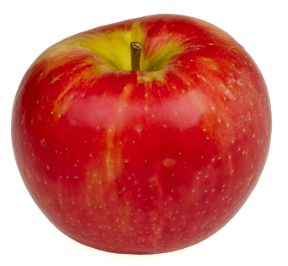 Apples are among the most underappreciated yet effective foods for gut health. Soluble fiber, especially pectin, which functions as a natural prebiotic, is abundant in this unassuming fruit. Prebiotics are vital because they nourish the good bacteria in your digestive tract, maintaining the strength and balance of your gut health.
The fact that apples promote colon health is one of their greatest advantages. In addition to keeping your colon clean and lowering your chance of constipation, pectin fiber helps control bowel movements. When your colon functions well, it enhances digestion, nutrition absorption, and even immunological function, which helps not only your colon but also your overall gut health.
Apples are also a fantastic source of antioxidants, vitamin C, and plant chemicals like flavonoids that protect the digestive tract from inflammation and illness. Studies have shown that regular apple eating may help in maintaining long-term colon health and reduce the risk of some colon-related illnesses.
They are easy to include in your diet; you can eat them fresh as a quick snack, blend them into smoothies for natural sweetness, add them to salads for crunch, or bake them for a healthy dessert. Because they are low in calories and high in fiber, apples are an excellent method to maintain gut health without adding extra calories to your diet.
Apples are among the most underappreciated yet effective foods for gut health. Soluble fiber, especially pectin, which functions as a natural prebiotic, is abundant in this unassuming fruit. Prebiotics are vital because they nourish the good bacteria in your digestive tract, maintaining the strength and balance of your gut health.
The fact that apples promote colon health is one of their greatest advantages. In addition to keeping your colon clean and lowering your chance of constipation, pectin fiber helps control bowel movements. When your colon functions well, it enhances digestion, nutrition absorption, and even immunological function, which helps not only your colon but also your overall gut health.
Apples are also a fantastic source of antioxidants, vitamin C, and plant chemicals like flavonoids that protect the digestive tract from inflammation and illness. Studies have shown that regular apple eating may help in maintaining long-term colon health and reduce the risk of some colon-related illnesses.
They are easy to include in your diet; you can eat them fresh as a quick snack, blend them into smoothies for natural sweetness, add them to salads for crunch, or bake them for a healthy dessert. Because they are low in calories and high in fiber, apples are an excellent method to maintain gut health without adding extra calories to your diet.
6. Ginger: An Organic Supplement for Digestive Health
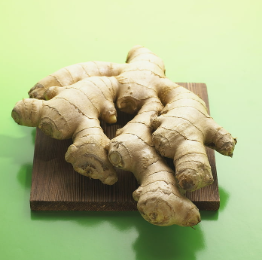 For generations, people have utilized ginger as a natural way to improve the health of their digestive systems and their guts. The bioactive substances found in this potent root, such as shogaol and gingerol, aid in promoting easier digestion and lowering intestinal inflammation.
Ginger’s capacity to increase digestive enzymes is one of its greatest advantages; it facilitates your body’s ability to digest meals and absorb nutrients. Ginger directly promotes improved digestive system health and healthier gut health by assisting with the digestive process.
Ginger is a fantastic option for anyone who suffers from stomach discomfort because it is also well-known for reducing bloating, gas, and nausea. Frequent consumption can help prevent constipation, enhance nutrient absorption, and maintain a healthy balance of digestive juices—all of which are critical for gut health.
Ginger can be used in a variety of ways, such as in fresh juices, soups, stir-fries, smoothies, and to make tea with freshly grated ginger. Its calming qualities and warming effect make it a natural and efficient daily health enhancer.
By using ginger in your meals, you may improve the health of your digestive system and safeguard your gut, which will make digestion more comfortable and effective.
For generations, people have utilized ginger as a natural way to improve the health of their digestive systems and their guts. The bioactive substances found in this potent root, such as shogaol and gingerol, aid in promoting easier digestion and lowering intestinal inflammation.
Ginger’s capacity to increase digestive enzymes is one of its greatest advantages; it facilitates your body’s ability to digest meals and absorb nutrients. Ginger directly promotes improved digestive system health and healthier gut health by assisting with the digestive process.
Ginger is a fantastic option for anyone who suffers from stomach discomfort because it is also well-known for reducing bloating, gas, and nausea. Frequent consumption can help prevent constipation, enhance nutrient absorption, and maintain a healthy balance of digestive juices—all of which are critical for gut health.
Ginger can be used in a variety of ways, such as in fresh juices, soups, stir-fries, smoothies, and to make tea with freshly grated ginger. Its calming qualities and warming effect make it a natural and efficient daily health enhancer.
By using ginger in your meals, you may improve the health of your digestive system and safeguard your gut, which will make digestion more comfortable and effective.
7. Chia Seeds: Tiny Powerhouses for Gut Health
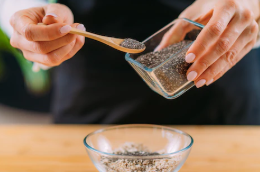 Despite their small size, chia seeds are packed with nutrients and can greatly improve stomach and intestinal health. Soaking chia seeds in liquid gives them the consistency of gel, which encourages regular bowel movements and keeps the digestive tract moist. Chia seeds are strong in soluble fiber. This fiber also acts as a prebiotic by promoting a balanced microbiota and feeding the good bacteria in your stomach.
Chia seeds have the capacity to gel, which facilitates better digestion by softening excrement. The intestine and gut health will greatly benefit from this. Additionally, the anti-inflammatory qualities of its omega-3 fatty acids protect the gut lining and reduce discomfort associated with digestive issues.
Chia seeds can be used to smoothies, cereal, yogurt, and even nutritious puddings. They can be a daily addition to your diet for long-term support of gut health because they are so adaptable and simple to make.
Consuming chia seeds on a regular basis helps preserve your intestines, support healthy digestion, and guarantee that your gut health remains robust over time.
Despite their small size, chia seeds are packed with nutrients and can greatly improve stomach and intestinal health. Soaking chia seeds in liquid gives them the consistency of gel, which encourages regular bowel movements and keeps the digestive tract moist. Chia seeds are strong in soluble fiber. This fiber also acts as a prebiotic by promoting a balanced microbiota and feeding the good bacteria in your stomach.
Chia seeds have the capacity to gel, which facilitates better digestion by softening excrement. The intestine and gut health will greatly benefit from this. Additionally, the anti-inflammatory qualities of its omega-3 fatty acids protect the gut lining and reduce discomfort associated with digestive issues.
Chia seeds can be used to smoothies, cereal, yogurt, and even nutritious puddings. They can be a daily addition to your diet for long-term support of gut health because they are so adaptable and simple to make.
Consuming chia seeds on a regular basis helps preserve your intestines, support healthy digestion, and guarantee that your gut health remains robust over time.
8. Natural Gut Health Benefits of Fermented Vegetables
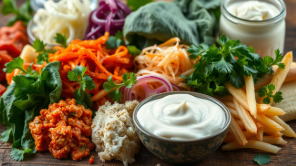 One of the finest meals to support gut health and microbiota health is fermented vegetables, such as pickled carrots, kimchi, and sauerkraut. Probiotics, which are good bacteria that balance the gut environment, aid in digestion, and promote nutrient absorption, are naturally produced during the fermentation process.
Consuming fermented veggies immediately introduces billions of living bacteria into your digestive system. Your gut flora’s diversity and replenishment are crucial for the health of your microbiome. A balanced and healthy microbiome can prevent digestive problems, including diarrhea, constipation, and bloating, as well as enhance immunity and happiness.
Enzymes found in fermented vegetables aid in the digestion and absorption of food. This increase in enzymes improves gut health and the way your digestive tract works. They are also rich in vitamins that support general health, such as folate, vitamin K, and vitamin C.
For optimal effects, seek naturally fermented foods that haven’t been pasteurized because heat can kill active bacteria. They can be used as a garnish for soups and grain bowls, eaten as a side dish, or added to salads. Regularly eating fermented veggies will help you to enjoy tasty, nutrient-dense food while also enhancing the health of your stomach and microbiota.
One of the finest meals to support gut health and microbiota health is fermented vegetables, such as pickled carrots, kimchi, and sauerkraut. Probiotics, which are good bacteria that balance the gut environment, aid in digestion, and promote nutrient absorption, are naturally produced during the fermentation process.
Consuming fermented veggies immediately introduces billions of living bacteria into your digestive system. Your gut flora’s diversity and replenishment are crucial for the health of your microbiome. A balanced and healthy microbiome can prevent digestive problems, including diarrhea, constipation, and bloating, as well as enhance immunity and happiness.
Enzymes found in fermented vegetables aid in the digestion and absorption of food. This increase in enzymes improves gut health and the way your digestive tract works. They are also rich in vitamins that support general health, such as folate, vitamin K, and vitamin C.
For optimal effects, seek naturally fermented foods that haven’t been pasteurized because heat can kill active bacteria. They can be used as a garnish for soups and grain bowls, eaten as a side dish, or added to salads. Regularly eating fermented veggies will help you to enjoy tasty, nutrient-dense food while also enhancing the health of your stomach and microbiota.
9. Whole Grains: The Foundation of Gut Health and Digestive Wellbeing
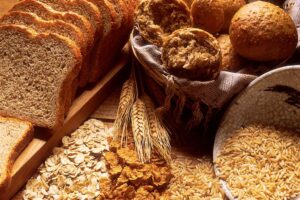 Whole grains, including oats, quinoa, brown rice, and whole wheat, are good sources of dietary fiber, which is important for gut health and digestive fitness. Because whole grains retain their bran, germ, and endosperm, unlike refined grains, they include more vitamins, minerals, and natural plant chemicals that help your digestive system.
The insoluble fiber found in whole grains provides stool volume and eases its passage through the intestines, preventing constipation and promoting overall digestive health.
Additionally, whole grains are high in B vitamins, magnesium, and antioxidants that increase energy generation, enhance metabolism, and lessen gut lining inflammation. In addition to ensuring stable blood sugar levels, which are essential for preserving a healthy gut environment, eating whole grains on a regular basis may help reduce the incidence of digestive illnesses like diverticulitis and irritable bowel syndrome (IBS).
Replace refined grains in your regular diet with whole grain options to reap the greatest advantages for digestive wellness and gut health. For instance, start your day with a substantial bowl of oats, substitute brown rice for white rice, or choose whole wheat bread for white bread. These minor adjustments over time can result in notable enhancements to digestion and general health.
Whole grains, including oats, quinoa, brown rice, and whole wheat, are good sources of dietary fiber, which is important for gut health and digestive fitness. Because whole grains retain their bran, germ, and endosperm, unlike refined grains, they include more vitamins, minerals, and natural plant chemicals that help your digestive system.
The insoluble fiber found in whole grains provides stool volume and eases its passage through the intestines, preventing constipation and promoting overall digestive health.
Additionally, whole grains are high in B vitamins, magnesium, and antioxidants that increase energy generation, enhance metabolism, and lessen gut lining inflammation. In addition to ensuring stable blood sugar levels, which are essential for preserving a healthy gut environment, eating whole grains on a regular basis may help reduce the incidence of digestive illnesses like diverticulitis and irritable bowel syndrome (IBS).
Replace refined grains in your regular diet with whole grain options to reap the greatest advantages for digestive wellness and gut health. For instance, start your day with a substantial bowl of oats, substitute brown rice for white rice, or choose whole wheat bread for white bread. These minor adjustments over time can result in notable enhancements to digestion and general health.
10. Herbal Teas: A Calm Enhancer for Digestive Balance and Gut Health
 Since ancient times, herbal teas including fennel, ginger, chamomile, and peppermint have been used to improve intestinal balance and encourage gut health. In addition to being naturally caffeine-free, these teas are rich in plant chemicals that help to calm the digestive system, lessen bloating, and enhance post-meal comfort.
Because peppermint tea includes menthol, which relaxes the muscles in the gastrointestinal tract, food passes more easily and symptoms like cramping and indigestion are lessened. Bioactive substances included in ginger tea, such as gingerol, increase the production of bile and saliva, which facilitates digestion and maintains intestinal equilibrium.
The soothing and anti-inflammatory qualities of chamomile tea aid in promoting sound sleep, which is crucial for gut health generally, and lessening stomach lining discomfort. Fennel tea promotes regular bowel movements and helps reduce gas and bloating.
By fostering an environment that maximizes the growth of helpful bacteria and minimizes the growth of harmful bacteria, regular use of herbal teas can also help maintain a healthy gut microbiota. Numerous herbal teas also serve as gentle natural detoxifiers, assisting the kidneys and liver in effectively processing waste, which tangentially improves gut health. Herbal teas should be consumed warm and freshly brewed, preferably in between meals, to maximize their benefits for intestinal health. For a range of gut-friendly advantages, you can switch up your herbal tea selection. Making herbal drinks a daily ritual can eventually be a mild yet effective strategy to promote digestion, reestablish intestinal equilibrium, and preserve long-term gut health.
Since ancient times, herbal teas including fennel, ginger, chamomile, and peppermint have been used to improve intestinal balance and encourage gut health. In addition to being naturally caffeine-free, these teas are rich in plant chemicals that help to calm the digestive system, lessen bloating, and enhance post-meal comfort.
Because peppermint tea includes menthol, which relaxes the muscles in the gastrointestinal tract, food passes more easily and symptoms like cramping and indigestion are lessened. Bioactive substances included in ginger tea, such as gingerol, increase the production of bile and saliva, which facilitates digestion and maintains intestinal equilibrium.
The soothing and anti-inflammatory qualities of chamomile tea aid in promoting sound sleep, which is crucial for gut health generally, and lessening stomach lining discomfort. Fennel tea promotes regular bowel movements and helps reduce gas and bloating.
By fostering an environment that maximizes the growth of helpful bacteria and minimizes the growth of harmful bacteria, regular use of herbal teas can also help maintain a healthy gut microbiota. Numerous herbal teas also serve as gentle natural detoxifiers, assisting the kidneys and liver in effectively processing waste, which tangentially improves gut health. Herbal teas should be consumed warm and freshly brewed, preferably in between meals, to maximize their benefits for intestinal health. For a range of gut-friendly advantages, you can switch up your herbal tea selection. Making herbal drinks a daily ritual can eventually be a mild yet effective strategy to promote digestion, reestablish intestinal equilibrium, and preserve long-term gut health.