


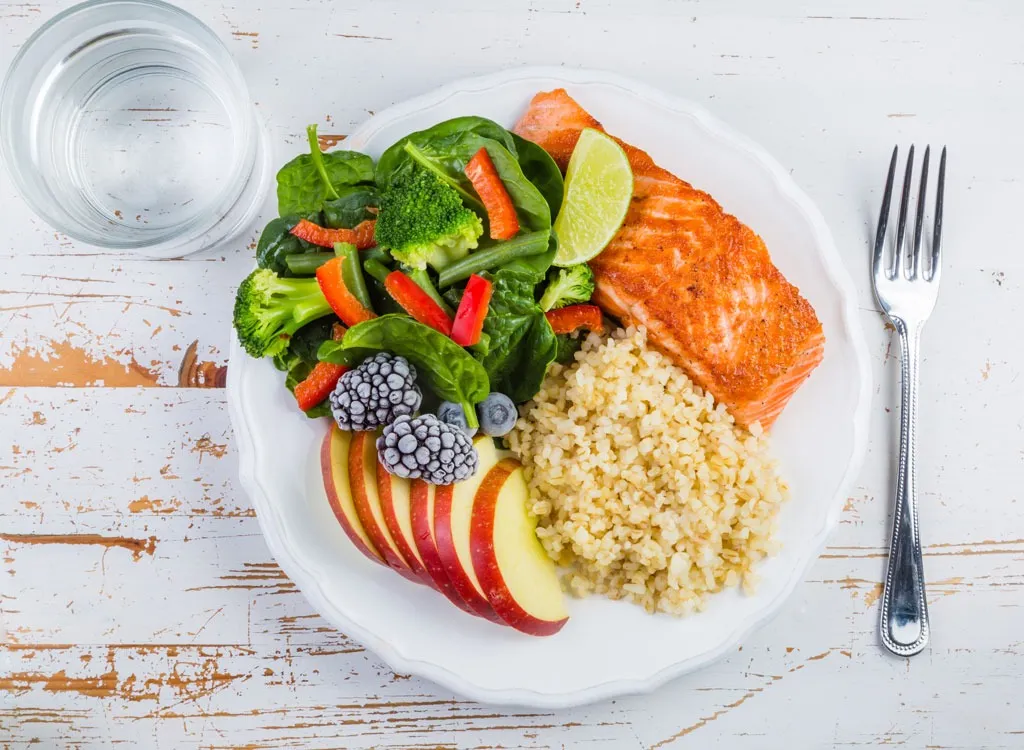
15 Best Foods to Eat Daily for Good Health
Introduction
These 15 best foods to eat every day, which include whole grains and fruits, can change your diet and way of life.One of life’s greatest blessings is good health, which is largely determined by the foods we eat on a daily basis. Due to a lack of time and knowledge, many people in today’s fast-paced world favor processed or junk food. However, these decisions may ultimately be detrimental to our health. We must concentrate on eating meals that contain vital nutrients if we want to remain active, healthy, and disease-free. The study of food and its relationship to health is known as nutrition. Every day, our bodies require a range of nutrients, such as proteins, fats, carbohydrates, minerals, and vitamins. These nutrients support growth, healing, energy production, and disease prevention. Eating foods high in nutrients gives our bodies the energy they need to function properly. I learned as a human nutrition and dietetics student that eating the right meals on a daily basis can enhance both our physical and emotional well-being. It can improve focus, boost immunity, and lower the risk of long-term conditions like diabetes, obesity, and heart issues. Ten natural and healthful foods that ought to be a part of our everyday diet are listed in this article. These meals offer adequate nutrition, are reasonably priced, and are readily available. These superfoods can help you live a better life, regardless of your age—student, adult, or elderly.1. Leafy green vegetables (such as spinach and kale)
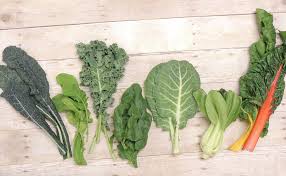
Vitamins A, C, K, folate, iron, calcium, and fiber
Approximately 23 kcal per 100g of spinach
One of the best foods to eat every day for good health is leafy greens, which are superfoods. Despite having very few calories, they are high in vital vitamins and antioxidants. Leafy greens strengthen the immune system, promote bone health, and facilitate better digestion. It is strongly advised that you include spinach or kale in your daily diet for a well-rounded diet.
2. Eggs
 Protein, vitamin B12, vitamin D, selenium, and choline are among the nutrients.
About 70 kcal per large egg each
High-quality protein and other essential elements, such as choline (which is beneficial for brain function), are all found in eggs. They boost your energy levels, aid in muscle recovery, and prolong feelings of fullness. Eggs provide easy, well-balanced nourishment when included in your everyday diet.
Protein, vitamin B12, vitamin D, selenium, and choline are among the nutrients.
About 70 kcal per large egg each
High-quality protein and other essential elements, such as choline (which is beneficial for brain function), are all found in eggs. They boost your energy levels, aid in muscle recovery, and prolong feelings of fullness. Eggs provide easy, well-balanced nourishment when included in your everyday diet.
3. Berries (such as strawberries and blueberries)
 Nutrients: manganese, fiber, antioxidants, and vitamin C
Blueberries have about 57 kcal per 100 g.
Berries combat oxidative stress because they are delicious, vibrant, and packed with antioxidants. They are the perfect healthy foods to include in your daily diet because of their high fiber and vitamin content. Berries promote cognitive function, heart health, and radiant skin, all of which are components of a healthy lifestyle.
Nutrients: manganese, fiber, antioxidants, and vitamin C
Blueberries have about 57 kcal per 100 g.
Berries combat oxidative stress because they are delicious, vibrant, and packed with antioxidants. They are the perfect healthy foods to include in your daily diet because of their high fiber and vitamin content. Berries promote cognitive function, heart health, and radiant skin, all of which are components of a healthy lifestyle.
4. Nuts, such as almonds and walnuts
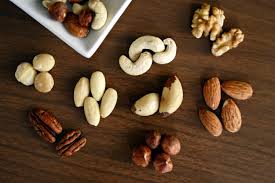 Nutrients: protein, vitamin E, healthy fats, magnesium
Approximately 160–200 kcal per 28g (handful)
Also read: Top 15 healthy foods you should be eating
Despite their high calorie content, nuts are a great source of nutrients. A tiny quantity gives you energy, keeps your brain healthy, and keeps your heart safe. They are great superfoods to incorporate into a healthy, balanced diet, particularly for working people and students.
Nutrients: protein, vitamin E, healthy fats, magnesium
Approximately 160–200 kcal per 28g (handful)
Also read: Top 15 healthy foods you should be eating
Despite their high calorie content, nuts are a great source of nutrients. A tiny quantity gives you energy, keeps your brain healthy, and keeps your heart safe. They are great superfoods to incorporate into a healthy, balanced diet, particularly for working people and students.
5. Fatty fish, such as salmon and mackerel
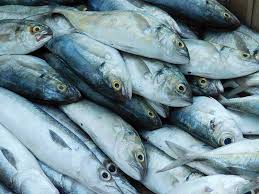 Nutrients: protein, vitamin D, and omega-3 fatty acids
Salmon has about 206 kcal per 100g.
Fish that is high in fat is regarded as one of the greatest foods to eat every day or at least a few times a week. Their omega-3 content lowers inflammation, enhances concentration, and guards against heart disease. Fish is a great food to include on your list of nutritious foods for long-term health.
Nutrients: protein, vitamin D, and omega-3 fatty acids
Salmon has about 206 kcal per 100g.
Fish that is high in fat is regarded as one of the greatest foods to eat every day or at least a few times a week. Their omega-3 content lowers inflammation, enhances concentration, and guards against heart disease. Fish is a great food to include on your list of nutritious foods for long-term health.
6. Greek yogurt
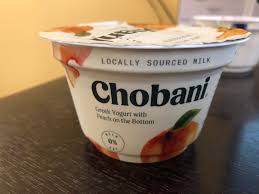 Nutrients: probiotics, calcium, and protein
About 59 kcal per 100g of plain, non-fat food
Greek yogurt is a filling, creamy dish that helps strengthen bones, muscles, and the intestines. It enhances nutrient absorption and digestion due to its probiotic content. It is therefore the ideal component of a daily meal high in nutrients.
Nutrients: probiotics, calcium, and protein
About 59 kcal per 100g of plain, non-fat food
Greek yogurt is a filling, creamy dish that helps strengthen bones, muscles, and the intestines. It enhances nutrient absorption and digestion due to its probiotic content. It is therefore the ideal component of a daily meal high in nutrients.
7. Apples
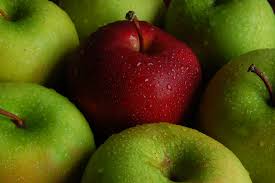 Nutrients include fiber, potassium, and vitamin C
Each 100 g has roughly 52 kcal.
Apples are one of the healthiest foods to regularly eat, in addition to being delicious. Vitamin C boosts immunity, and fiber stretches feelings of fullness and facilitates digestion. For comprehensive nutrition on a student budget, this is an excellent option!
Nutrients include fiber, potassium, and vitamin C
Each 100 g has roughly 52 kcal.
Apples are one of the healthiest foods to regularly eat, in addition to being delicious. Vitamin C boosts immunity, and fiber stretches feelings of fullness and facilitates digestion. For comprehensive nutrition on a student budget, this is an excellent option!
8. Beans and Lentils
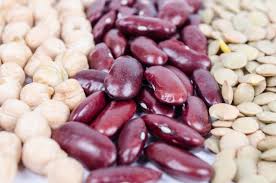 Iron, folate, fiber, protein, and complex carbohydrates are nutrients.
About 116 kcal per 100g of cooked lentils
Lentils and beans are inexpensive and nutrient-dense. They are excellent for vegetarians and anyone seeking a well-balanced diet because they are high in iron, fiber, and plant-based protein. These superfoods assist in controlling blood sugar levels and promote muscle growth.
Iron, folate, fiber, protein, and complex carbohydrates are nutrients.
About 116 kcal per 100g of cooked lentils
Lentils and beans are inexpensive and nutrient-dense. They are excellent for vegetarians and anyone seeking a well-balanced diet because they are high in iron, fiber, and plant-based protein. These superfoods assist in controlling blood sugar levels and promote muscle growth.
9. Avocados
 Nutrients: potassium, fiber, vitamins E and B6, and healthy fats
Calorie count: About 160 kcal per 100 g.
Rich in monounsaturated fats, avocados are a creamy fruit that can help reduce harmful cholesterol. Their potassium contributes to heart health, and their fiber content enhances digestion. They are a nutrient-rich addition to your daily diet and can be added to salads or toast.
Nutrients: potassium, fiber, vitamins E and B6, and healthy fats
Calorie count: About 160 kcal per 100 g.
Rich in monounsaturated fats, avocados are a creamy fruit that can help reduce harmful cholesterol. Their potassium contributes to heart health, and their fiber content enhances digestion. They are a nutrient-rich addition to your daily diet and can be added to salads or toast.
10. Sweet potatoes
 86 kcal per 100g of sweet potatoes
Beyond their deliciousness, sweet potatoes are a great source of fiber, vitamin C, and beta-carotene, a form of vitamin A. A robust immune system and sharp vision are supported by vitamin A, and fiber facilitates better digestion. Blood sugar levels are stabilized and consistent energy is provided by these root vegetables. Sweet potatoes are a terrific option for a wholesome and filling daily meal because they are simple to cook and fun for all age groups.
86 kcal per 100g of sweet potatoes
Beyond their deliciousness, sweet potatoes are a great source of fiber, vitamin C, and beta-carotene, a form of vitamin A. A robust immune system and sharp vision are supported by vitamin A, and fiber facilitates better digestion. Blood sugar levels are stabilized and consistent energy is provided by these root vegetables. Sweet potatoes are a terrific option for a wholesome and filling daily meal because they are simple to cook and fun for all age groups.
11. Carrots
 Vitamin A (beta-carotene), fiber, and potassium are nutrients
Approximately 41 kcal per 100g
One of the foods with the highest nutrient content is carrots, which make a great supplement to any diet. Beta-carotene, a potent antioxidant that the body transforms into vitamin A, is what gives them their vivid orange hue. This boosts the immune system, enhances skin texture, and promotes eye health. Carrots are an excellent snack or salad ingredient for people who are trying to maintain a healthy lifestyle since the fiber aids in digestion and keeps you feeling full.
Vitamin A (beta-carotene), fiber, and potassium are nutrients
Approximately 41 kcal per 100g
One of the foods with the highest nutrient content is carrots, which make a great supplement to any diet. Beta-carotene, a potent antioxidant that the body transforms into vitamin A, is what gives them their vivid orange hue. This boosts the immune system, enhances skin texture, and promotes eye health. Carrots are an excellent snack or salad ingredient for people who are trying to maintain a healthy lifestyle since the fiber aids in digestion and keeps you feeling full.
12. Broccoli
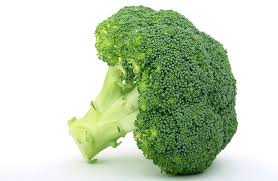 Vitamins C, K, folate, fiber, and antioxidants
About 34 kcal per 100g of food
One potent superfood that has been linked to a lower risk of disease is broccoli. An antioxidant called sulforaphane, which may lower the risk of some cancers, is present in it. Its fiber promotes digestive health, and its high vitamin C content strengthens the immune system. Broccoli, whether it is baked, steamed, or added to curries, is a nutritious and well-balanced food.
Vitamins C, K, folate, fiber, and antioxidants
About 34 kcal per 100g of food
One potent superfood that has been linked to a lower risk of disease is broccoli. An antioxidant called sulforaphane, which may lower the risk of some cancers, is present in it. Its fiber promotes digestive health, and its high vitamin C content strengthens the immune system. Broccoli, whether it is baked, steamed, or added to curries, is a nutritious and well-balanced food.
13. Bananas

14. Cucumbers
 Water, potassium, and vitamin K are the nutrients found in cucumbers.
Approximately 16 kcal per 100g
Cucumbers are a very hydrating food because they are 95% water. They include vitamin K, which is essential for strong bones and blood coagulation. Cucumbers, which have relatively few calories, are a great addition to salads and help keep the body cool, especially in hot climes like Pakistan’s. Perfect for students seeking nutritious snacks that are well-balanced.
Water, potassium, and vitamin K are the nutrients found in cucumbers.
Approximately 16 kcal per 100g
Cucumbers are a very hydrating food because they are 95% water. They include vitamin K, which is essential for strong bones and blood coagulation. Cucumbers, which have relatively few calories, are a great addition to salads and help keep the body cool, especially in hot climes like Pakistan’s. Perfect for students seeking nutritious snacks that are well-balanced.
15. Oats
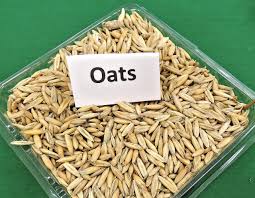 Iron, magnesium, beta-glucan fiber, and B vitamins are among the nutrients.
About 68 kcal per 100g of cooked food
One of the most economical and useful whole grains for a balanced diet is oats. Beta-glucan, a soluble fiber found in them, aids with blood sugar stabilization and cholesterol reduction. Additionally, oats promote weight control and offer sustained energy. They are excellent for breakfast and provide a nutrient-dense start to the day, whether topped with honey, yogurt, or fruits.
Iron, magnesium, beta-glucan fiber, and B vitamins are among the nutrients.
About 68 kcal per 100g of cooked food
One of the most economical and useful whole grains for a balanced diet is oats. Beta-glucan, a soluble fiber found in them, aids with blood sugar stabilization and cholesterol reduction. Additionally, oats promote weight control and offer sustained energy. They are excellent for breakfast and provide a nutrient-dense start to the day, whether topped with honey, yogurt, or fruits.
In conclusion
Maintaining a nutritious diet doesn’t have to be hard. You may significantly boost your immunity, energy levels, and general health by just incorporating these 15 nutrient-dense foods into your regular meals. The body needs vital vitamins, minerals, antioxidants, and fiber on a daily basis, which are found in foods like eggs, yogurt, leafy greens, almonds, berries, and sweet potatoes. From promoting brain and heart health to enhancing digestion and skin health, each of these superfoods has special health advantages. Whether you’re a professional, student, or just trying to eat healthier, including these foods in your daily diet helps keep you strong, energetic, and focused. Recall that no one food is magical. However, you build a solid foundation for long-term fitness and balanced nutrition when you select a range of healthful meals and consume them on a regular basis.