



7 Best Quick Nutrition Tips for Busy People
Introduction
The majority of individuals find it difficult to lead healthy lives in the fast-paced world of today. Poor eating habits are frequently caused by hectic routines, demanding work schedules, and study stress. Families choose short but low-nutrition meals to save time, professionals grab unhealthy fast food during office hours, and many students skip breakfast before classes. These little behaviors might eventually result in exhaustion, low energy, difficulty concentrating, and even long-term health issues. For this reason, it’s critical to understand the top 7 quick nutrition suggestions for people with hectic schedules. Eating healthily doesn’t necessarily require pricey superfoods or intricate regimes. Rather, it’s about discovering easy and useful ways to fuel your body. Anyone—student, worker, or parent—can maintain energy, enhance focus, and create long-term wellness by adhering to a few simple nutrition tips. These suggestions are simple to implement in day-to-day living and can be seamlessly incorporated into a hectic schedule without causing additional stress. The cornerstone of a healthy body and mind is nutrition. Making healthier meal choices is still possible, even if you just have a short window of time in the morning or at lunch breaks. These top quick nutrition recommendations are made to help you eat healthily without sacrificing taste. They include making quick breakfasts, drinking enough water, keeping nutritious snacks on hand, and emphasizing foods high in protein. The top 7 easy, inexpensive, and efficient quick nutrition tips for busy people with hectic schedules will be discussed in this article. By the conclusion, you’ll understand how minor adjustments to your regular diet can have a significant impact on your energy levels, concentration, and general health.First tip: Always eat breakfast
 Never skip breakfast, which is one of the top 7 quick nutrition suggestions for people with hectic schedules. With good reason, breakfast is frequently referred to as the most significant meal of the day. Your body starts to fast after 7 to 8 hours of sleep. A healthy breakfast in the morning helps speed up your metabolism, gives you energy right away, and sets your mind up for success.
Unfortunately, a lack of time causes many working professionals and busy students to skip breakfast. Although this behavior may save a few minutes in the morning, it has negative long-term effects. Low energy, diminished concentration, irritability, and cravings for unhealthy snacks later in the day are frequently the results of skipping breakfast.
It can also cause digestive problems and raise the chance of weight gain over time. One of the greatest simple nutrition ideas for anyone with a hectic lifestyle is to make breakfast a non-negotiable component of your day.
Never skip breakfast, which is one of the top 7 quick nutrition suggestions for people with hectic schedules. With good reason, breakfast is frequently referred to as the most significant meal of the day. Your body starts to fast after 7 to 8 hours of sleep. A healthy breakfast in the morning helps speed up your metabolism, gives you energy right away, and sets your mind up for success.
Unfortunately, a lack of time causes many working professionals and busy students to skip breakfast. Although this behavior may save a few minutes in the morning, it has negative long-term effects. Low energy, diminished concentration, irritability, and cravings for unhealthy snacks later in the day are frequently the results of skipping breakfast.
It can also cause digestive problems and raise the chance of weight gain over time. One of the greatest simple nutrition ideas for anyone with a hectic lifestyle is to make breakfast a non-negotiable component of your day.
Healthy and Fast Breakfast Choices
Breakfast doesn’t need to be difficult. Easy meals that are high in vital nutrients include peanut butter smoothies, cooked eggs with whole-grain toast, porridge with fruits, and yogurt with almonds. To keep you feeling full for hours, these foods offer a good balance of fats, carbohydrates, and protein. Making breakfast together as a family can also help kids form lifelong healthy habits.The Link Between Gut Health and Breakfast
Breakfast’s importance for intestinal health is another factor. The colony of beneficial bacteria that lives in your digestive system, known as the gut microbiome, is nourished by a well-balanced meal that includes foods high in fiber, including fruits, yogurt, or oats. Immunity increases, digestion improves, and even mood stabilizes when your gut is healthy. Probiotic-rich yogurt and chia seed overnight oats are great choices that directly promote gut health. See our guide on 10 Foods for Better Gut Health to learn more about how food promotes digestion and general health.Fast Tricks for Busy Individuals
Breakfast can be made ahead of time if mornings are always hurried. Make overnight oats before bed, store boiled eggs in the refrigerator, or make smoothie packs with spinach and fruits that you can blend in a matter of minutes. No matter how hectic your schedule becomes, you will never skip breakfast thanks to these easy dietary tips.2. Drink plenty of water throughout the day
 Drinking adequate water is a habit that is sometimes overlooked while discussing dietary advice for persons with hectic schedules. Hydration has a direct impact on energy, concentration, and general health; it’s not simply about quenching thirst. Due to their hectic schedules, professionals, homemakers, and students frequently neglect to drink enough water, which can result in headaches, mood swings, fatigue, poor digestion, and even overeating. Remarkably, studies reveal that people are frequently simply dehydrated when they experience hunger.
Maintaining proper hydration during study sessions helps students retain information better, focus better during lectures, and maintain consistent energy levels. Drinking adequate water helps working professionals avoid the “afternoon crash” and maintain mental alertness during lengthy office hours or meetings. Establishing hydration as a shared habit can help families as well by instilling in children the value of drinking water from a young age.
Drinking adequate water is a habit that is sometimes overlooked while discussing dietary advice for persons with hectic schedules. Hydration has a direct impact on energy, concentration, and general health; it’s not simply about quenching thirst. Due to their hectic schedules, professionals, homemakers, and students frequently neglect to drink enough water, which can result in headaches, mood swings, fatigue, poor digestion, and even overeating. Remarkably, studies reveal that people are frequently simply dehydrated when they experience hunger.
Maintaining proper hydration during study sessions helps students retain information better, focus better during lectures, and maintain consistent energy levels. Drinking adequate water helps working professionals avoid the “afternoon crash” and maintain mental alertness during lengthy office hours or meetings. Establishing hydration as a shared habit can help families as well by instilling in children the value of drinking water from a young age.
Strategies for Staying Hydrated with a Busy Schedule
The simplest recommendation for busy folks is to always have a water bottle nearby. Take a reusable bottle with you wherever you go, be it to the gym, the office, class, or on a trip. You can also maintain consistency by using hydration-tracking apps or setting phone reminders. To “wake up” your body, have a glass of water before breakfast. Then, instead of waiting until you’re thirsty, take tiny sips of water every hour. Try adding natural flavors like cucumber, mint leaves, lemon slices, or even berries to plain water if it seems monotonous. These offer additional vitamins and antioxidants in addition to improving the flavor.Tip 3: Make a meal plan and prepare it ahead of time
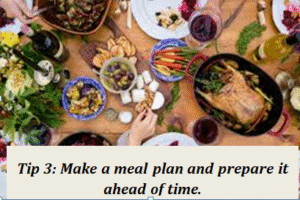 Meal preparation and planning are one of the most effective strategies for people with hectic schedules. Students frequently race between lectures, assignments, and tests in today’s fast-paced world, while working professionals balance lengthy office hours, meetings, and family obligations. It is tempting to rely on unhealthy fast food or miss meals because of this hectic schedule. However, you may still have nutritious, well-balanced meals while saving time, money, and stress with a little preparation.
Meal planning is about making better decisions, not about rigorous diets. Making your meals ahead of time, for instance, guarantees that you’ll always have a nutritious lunch available. This lessens the likelihood of consuming processed snacks or ordering junk food. Along with helping you maintain your specific health objectives—whether they be weight loss, muscular growth, or increased energy—it also helps you balance your nutrition and regulate portion sizes.
Meal preparation and planning are one of the most effective strategies for people with hectic schedules. Students frequently race between lectures, assignments, and tests in today’s fast-paced world, while working professionals balance lengthy office hours, meetings, and family obligations. It is tempting to rely on unhealthy fast food or miss meals because of this hectic schedule. However, you may still have nutritious, well-balanced meals while saving time, money, and stress with a little preparation.
Meal planning is about making better decisions, not about rigorous diets. Making your meals ahead of time, for instance, guarantees that you’ll always have a nutritious lunch available. This lessens the likelihood of consuming processed snacks or ordering junk food. Along with helping you maintain your specific health objectives—whether they be weight loss, muscular growth, or increased energy—it also helps you balance your nutrition and regulate portion sizes.
Techniques for Meal Prep in a Busy Lifestyle
Meal preparation is one of the most useful strategies when discussing nutrition advice for people with hectic schedules. Begin by dedicating a few hours to cooking in large quantities on a weekend or a free evening. Make adaptable dishes like stir-fried veggies, lentils, grilled chicken, boiled eggs, and whole grains like quinoa and rice. To make it simple to mix and match them for weekday quick meals, store them in sealed containers. Salad jars, wraps, and overnight oats are healthy grab-and-go options that can help save time in the morning. When hunger strikes, having small packs of healthy snacks on hand, such as trail mix, yogurt, fruit, or almonds, will help you avoid reaching for chips or other sugary foods.The Significance of Meal Planning
Because they won’t be distracted by hunger, students who schedule their meals experience less stress during exam season and are able to concentrate better in class. It keeps professionals from developing the bad habits of relying on cafeteria junk food or skipping lunch. Enjoying home-cooked meals together also helps families, as it not only enhances nutrition but also fortifies family ties. Cooking at home is far less expensive than ordering takeout every day, so meal preparation also promotes financial health. More significantly, it fosters self-discipline and guarantees that you’re genuinely adhering to the greatest dietary advice for those with hectic schedules rather than reverting to unhealthy habits.Tip 4: Select Informed Snacks Rather Than Junk Food
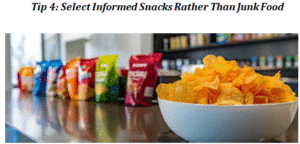 Developing smart snacking skills is another extremely useful suggestion for people with hectic schedules. Hunger typically hits at strange times in a busy life, whether you are a professional juggling back-to-back meetings or a student juggling classes. Due to their availability and speed, consumers typically reach for chips, biscuits, or sugary drinks in these circumstances. However, these unhealthy foods might hinder your gut health, cause weight gain, and make you feel lethargic.
Conversely, when you snack wisely, you provide your body with the proper nutrients and maintain steady energy levels all day long. Snacks don’t have to be dull; with careful selection, nutritious options can be pleasant, convenient, and filling. This is why one of the most crucial nutrition suggestions for those with hectic schedules is to swap out junk food for healthy options.
Developing smart snacking skills is another extremely useful suggestion for people with hectic schedules. Hunger typically hits at strange times in a busy life, whether you are a professional juggling back-to-back meetings or a student juggling classes. Due to their availability and speed, consumers typically reach for chips, biscuits, or sugary drinks in these circumstances. However, these unhealthy foods might hinder your gut health, cause weight gain, and make you feel lethargic.
Conversely, when you snack wisely, you provide your body with the proper nutrients and maintain steady energy levels all day long. Snacks don’t have to be dull; with careful selection, nutritious options can be pleasant, convenient, and filling. This is why one of the most crucial nutrition suggestions for those with hectic schedules is to swap out junk food for healthy options.
Ideas for Healthful Snacks for a Busy Lifestyle
To avoid unhealthy canteen snacks, students should pack fruit, almonds, or trail mix in their bags. For rapid energy in between jobs, professionals can keep roasted chickpeas, Greek yogurt, or granola bars in the office drawer. To encourage children to eat healthily at home or at school, families can provide little snack boxes containing cheese cubes, boiled eggs, or veggie sticks with hummus. Simple decisions like replacing soda with infused water, cookies with dates, or chips with popcorn can have a significant impact on long-term health. Protein and fiber-rich snacks, such as almonds, seeds, or peanut butter-covered whole-grain crackers, help your metabolism and cognitive function in addition to keeping you full.The Importance of Smart Snacking
Smart snacks help kids focus better, improve memory, and avoid an energy “crash” when studying. Healthy snacks help professionals stay focused during lengthy workdays, increase productivity, and decrease stress eating. Families gain as well since healthy snacking helps youngsters avoid sugar crashes that alter their mood and conduct, and improve their eating habits. Smart snacking, one of the top 7 quick nutrition ideas for busy people, is an easy yet powerful strategy to maintain your health objectives. Making deliberate snack selections guarantees that you are providing your body with nourishment even during your busiest times, as opposed to eating carelessly.Tip 5: Manage Your Serving Sizes to Boost Energy
 Portion control is among the most neglected advice for people with hectic schedules. Large servings can actually make you feel sluggish, lethargic, and less productive, despite the common misconception among professionals and students that having a large meal will keep them fuller for longer. Conversely, eating too little can make you feel weak, drowsy, and hungry all the time. For this reason, keeping your energy levels consistent throughout the day requires that you balance your portion sizes.
Most people in today’s fast-paced world either overeat when they do get the chance to eat or skip meals because they don’t have the time. A professional might carelessly munch while working, whereas a student might skip lunch and then eat a large meal. Both behaviors are detrimental. Portion control helps you eat the proper nutrients at the right time, which promotes better digestion, increases concentration, and keeps you from gaining unintended weight.
Portion control is among the most neglected advice for people with hectic schedules. Large servings can actually make you feel sluggish, lethargic, and less productive, despite the common misconception among professionals and students that having a large meal will keep them fuller for longer. Conversely, eating too little can make you feel weak, drowsy, and hungry all the time. For this reason, keeping your energy levels consistent throughout the day requires that you balance your portion sizes.
Most people in today’s fast-paced world either overeat when they do get the chance to eat or skip meals because they don’t have the time. A professional might carelessly munch while working, whereas a student might skip lunch and then eat a large meal. Both behaviors are detrimental. Portion control helps you eat the proper nutrients at the right time, which promotes better digestion, increases concentration, and keeps you from gaining unintended weight.
Useful Advice for Portion Control
Portion control is simpler than it may seem when discussing dietary advice for persons with hectic schedules. Serving sizes can be naturally decreased by using smaller bowls or plates. Half of your plate should be made up of salad or vegetables, 25% should be made up of lean protein (such as beans, fish, or chicken), and 25% should be made up of nutritious carbohydrates (such as bread, pasta, or rice). By using the “balanced plate method,” you can avoid overeating while still getting all the nutrients you need. Another tip is mindful eating, which involves chewing carefully, avoiding phones and other distractions while eating, and stopping when you are around 80% full. Another way to avoid overeating during hectic times is to prepack meals in containers. Make little packets of nuts, fruits, or yogurt for snacks rather than consuming them all at once.The Significance of Portion Control
Balanced portion sizes help kids stay focused in class and avoid falling asleep after large meals. It maintains productivity levels up and lessens lunchtime weariness for professionals. Teaching kids good eating practices, avoiding overindulgence, and promoting mindful eating from a young age can also help families.Tip 6: Reduce Consumption of Sugary Drinks and Processed Foods
 Learning to cut less on processed foods and sugary drinks is one of the best strategies for people with hectic schedules. Due to their convenience and speed, packaged snacks, fast meals, and carbonated drinks are frequently chosen by professionals, parents, and students with busy schedules. However, these foods are typically high in harmful fats, sugar, and sodium, which can provide a brief energy boost but soon leave you exhausted.
Frequent ingestion of sugary sodas, fried snacks, and fast food causes more harm than good. They raise your risk of obesity, diabetes, and heart issues in addition to slowing down your metabolism. Relying on such meals can also have negative effects on intestinal health, productivity, and focus in busy people, making it more difficult to provide your best effort during study sessions, business hours, or even family activities.
Learning to cut less on processed foods and sugary drinks is one of the best strategies for people with hectic schedules. Due to their convenience and speed, packaged snacks, fast meals, and carbonated drinks are frequently chosen by professionals, parents, and students with busy schedules. However, these foods are typically high in harmful fats, sugar, and sodium, which can provide a brief energy boost but soon leave you exhausted.
Frequent ingestion of sugary sodas, fried snacks, and fast food causes more harm than good. They raise your risk of obesity, diabetes, and heart issues in addition to slowing down your metabolism. Relying on such meals can also have negative effects on intestinal health, productivity, and focus in busy people, making it more difficult to provide your best effort during study sessions, business hours, or even family activities.
Better Food and Drink Selections
The simplest way to provide nutrition advice for busy people is to substitute natural and healthful foods with harmful ones. Drink herbal teas or simple water with lemon instead of a soda. Fresh fruit, mixed nuts, or roasted chickpeas can be used in place of chips. Use dark chocolate, dates, or raisins sparingly if you need something sweet. Making easy homemade snacks ahead of time, such as veggie sticks or fruit bowls, also helps you resist the urge to buy processed junk food.Why It’s Important in a Busy World
Reducing processed food intake helps kids maintain a consistent energy level and concentrate better in class. It helps professionals avoid the energy crashes that sugary drinks frequently cause and lessen weariness. Children who consume more natural and fresh foods become stronger, have healthier eating habits, and remain active, which benefits families as well. Because of this, reducing junk food is a long-term lifestyle shift rather than just a diet fad. One of the best ways to improve your health, boost your immunity, and have more energy for longer is to cut back on processed meals and sugary drinks, which is one of the top 7 simple nutrition suggestions for busy people.Tip 7: Be Consistent and Simple
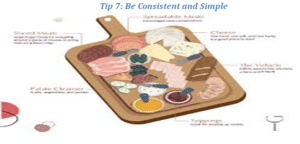 One of the most useful rules for those with hectic schedules is to maintain a basic and regular diet schedule. People frequently think that maintaining a healthy lifestyle in today’s hectic world necessitates time-consuming recipes, costly supplements, or intricate diets. The fact is, though, that over time, even minor adjustments made on a daily basis can have significant effects.
For instance, it’s easy to avoid processed foods, eat a balanced breakfast, pack healthy snacks, and drink enough water each day.
One of the most useful rules for those with hectic schedules is to maintain a basic and regular diet schedule. People frequently think that maintaining a healthy lifestyle in today’s hectic world necessitates time-consuming recipes, costly supplements, or intricate diets. The fact is, though, that over time, even minor adjustments made on a daily basis can have significant effects.
For instance, it’s easy to avoid processed foods, eat a balanced breakfast, pack healthy snacks, and drink enough water each day.