


10 Best Anti-Inflammatory Foods
Introduction:
Understanding Inflammation and the Power of Anti-Inflammatory Foods
Inflammation is a natural process that helps the body fight infection and heal injuries. When it becomes long-term, it can lead to several health problems, like joint pain, fatigue, diabetes, and heart disease. The good news is that your diet can play a major role in controlling it. Including anti-inflammatory foods in your meals is one of the most effective ways to keep your body balanced and healthy.
These foods help calm your body’s immune response and protect your cells from damage. If you’re wondering what to eat to reduce inflammation, the answer lies in eating whole, natural, and nutrient-rich options such as olive oil, fatty fish, berries, and green tea. These are considered some of the best anti-inflammatory foods that support a strong immune system and promote healing from within.
Experts recommend following simple anti-inflammatory nutrition tips, like eating colorful fruits and vegetables, choosing healthy fats, and avoiding processed food. Such smart eating habits can make a big difference in how you feel every day.
In this article, you’ll discover the 10 best anti-inflammatory foods for your daily diet, learn how they work, and explore practical tips to build an eating plan that reduces inflammation naturally.
If you want to learn even more practical ways to control inflammation through everyday food and lifestyle choices, I recommend checking out this helpful guide: “9 healthy eating tips that can help reduce inflammation.” It explains simple habits that anyone can follow, even if they’re just starting their health journey.
You’ll find easy steps like choosing the right cooking oils, adding more fiber, increasing antioxidant-rich foods, and avoiding triggers that worsen inflammation.
These tips are beginner-friendly, scientifically supported, and perfect for building long-term healthy routines.
If you’re serious about improving your health naturally, this external resource will give you extra clarity and motivation to stay consistent.
What Are Foods That Reduce Inflammation?
Natural foods known as anti-inflammatory foods support your body’s defenses against persistent inflammation. Although inflammation is your body’s defense mechanism against infections, wounds, or poisons, it can damage your own cells if it persists over an extended period of time. It is at this point that issues like obesity, diabetes, heart disease, and joint discomfort manifest. “The good news?” Much of it is under your control with your diet. What can we consume to lessen inflammation, then? Selecting meals high in antioxidants, omega-3 fatty acids, vitamins, and phytonutrients is the solution. Together, these substances lessen tissue damage, stiffness, and edema by scavenging the body’s dangerous free radicals.Some of the best anti-inflammatory foods that support daily wellness include:
Fresh fruits and green vegetables like berries, spinach, kale, and broccoli are rich in antioxidants that protect cells from damage and calm inflammation.
Natural healthy fats, such as olive oil and avocados, contain compounds that lower inflammation and keep your heart healthy.
Omega-3-rich fatty fish like salmon and sardines — proven to reduce joint pain, swelling, and muscle soreness.
Crunchy nuts and tiny seeds such as walnuts and flaxseeds — great sources of fiber and essential nutrients that boost metabolism and brain performance.
10 Best Anti-Inflammatory Foods for a Daily Diet
Inflammation is a normal body process — it protects you from infections and injuries. But when it continues for too long, it can harm your health instead of helping it. Scientists call this chronic inflammation, and it’s linked to many conditions like heart disease, diabetes, arthritis, and even obesity.
The good news? You can fight it naturally with the right diet. Your body’s response to food is powerful — eating more anti-inflammatory foods and fewer processed or fried items can help your system stay balanced and healthy. Here’s a complete guide to the 10 best anti-inflammatory foods for a daily diet, and what to eat to reduce inflammation every day.
1. The Golden Spice of Healing: Turmeric
 One of the most well-known anti-inflammatory foods in the world is turmeric. Curcumin, its primary active ingredient, offers potent therapeutic properties that lessen pain, stiffness, and swelling. Curcumin helps to maintain a healthy and balanced immune system by preventing the chemicals that cause inflammation in your body.
Turmeric has been used for millennia in traditional medicine to relieve pain and mend wounds. According to recent studies, taking turmeric regularly may help lessen the symptoms of digestive issues, joint inflammation, and arthritis.
One of the most well-known anti-inflammatory foods in the world is turmeric. Curcumin, its primary active ingredient, offers potent therapeutic properties that lessen pain, stiffness, and swelling. Curcumin helps to maintain a healthy and balanced immune system by preventing the chemicals that cause inflammation in your body.
Turmeric has been used for millennia in traditional medicine to relieve pain and mend wounds. According to recent studies, taking turmeric regularly may help lessen the symptoms of digestive issues, joint inflammation, and arthritis.
How to utilize it:
Warm milk or herbal tea should be infused with ½ teaspoon of turmeric powder. Add it to rice, curries, or soups to add flavor and color. Add black pepper; it increases the absorption of curcumin by 2000%.When to Use It:
Best taken in the morning on an empty stomach or before bedtime in warm milk.
It can also be used after meals to support digestion and reduce inflammation.
Who Should Use It:
People with joint pain, arthritis, or muscle soreness.
Those with weak immunity, poor digestion, or stress-related inflammation.
For students or professionals who face mental fatigue, turmeric helps improve focus and calm the mind.
2. The Omega-3 Powerhouse: Fatty Fish
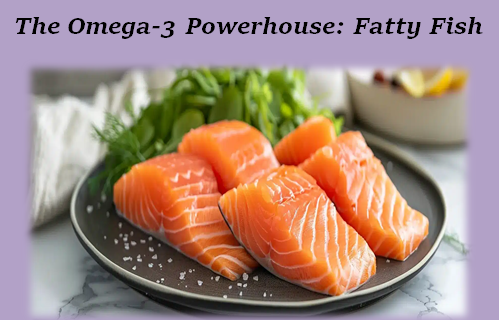 Few meals are as helpful as fatty fish when it comes to anti-inflammatory nutrition advice. Omega-3 fatty acids (EPA and DHA), which help reduce inflammation and guard against heart disease, arthritis, and memory loss, are abundant in salmon, mackerel, tuna, and sardines.
C-reactive protein (CRP) and other inflammatory proteins are lowered in the blood by omega-3 fatty acids. Consuming fish regularly helps maintain healthy joints, promotes mood, and improves brain function.
Few meals are as helpful as fatty fish when it comes to anti-inflammatory nutrition advice. Omega-3 fatty acids (EPA and DHA), which help reduce inflammation and guard against heart disease, arthritis, and memory loss, are abundant in salmon, mackerel, tuna, and sardines.
C-reactive protein (CRP) and other inflammatory proteins are lowered in the blood by omega-3 fatty acids. Consuming fish regularly helps maintain healthy joints, promotes mood, and improves brain function.
How to utilize it:
Consume baked or grilled fatty fish two to three times a week. For plant-based omega-3s, swap them out for chia seeds, walnuts, or flaxseeds if you’re a vegetarian. Steer clear of deep-frying, as it may ruin healthy fats.When to Use It:
Eat 2–3 times per week, preferably at lunch or dinner.
Great after workouts to reduce muscle inflammation and soreness.
Who Should Use It:
Athletes, gym-goers, and older adults with joint stiffness.
People with heart disease, arthritis, or memory issues.
Anyone wanting to improve brain health and mood stability.
3. Broccoli — The Green Detoxifier

Broccoli isn’t just a simple vegetable — it’s a natural medicine. It contains sulforaphane, a powerful compound that helps deactivate inflammation-causing enzymes. It also detoxifies harmful chemicals and supports liver health.
Studies show that people who eat more cruciferous vegetables (like broccoli, kale, and cauliflower) have lower levels of inflammation and better overall immunity.
How to use it:
Steam broccoli lightly (don’t overcook) to keep nutrients intact.
Add to soups, pasta, or salads.
Combine with olive oil for extra anti-inflammatory benefits.
Broccoli proves that what to eat to reduce inflammation doesn’t have to be complicated — just green and fresh.
When to Use It:
Best eaten during lunch or dinner, lightly steamed to preserve nutrients.
Works well after heavy or oily meals to help detoxify the body.
Who Should Use It:
People with liver problems, obesity, or weak immunity.
Students and office workers who eat less vegetables — broccoli balances body pH and supports digestion.
4. Berries: A Delicious and Effective Antioxidant Booster
 Berries are small yet incredibly beneficial, particularly blueberries, strawberries, and raspberries. Anthocyanins, the pigments that give them their vivid color and potent anti-inflammatory properties, are abundant in them.
These antioxidants slow down the aging process and lessen oxidative stress, which is cell damage brought on by free radicals. Eating berries regularly can also protect the heart, regulate blood sugar, and enhance brain function.
Berries are small yet incredibly beneficial, particularly blueberries, strawberries, and raspberries. Anthocyanins, the pigments that give them their vivid color and potent anti-inflammatory properties, are abundant in them.
These antioxidants slow down the aging process and lessen oxidative stress, which is cell damage brought on by free radicals. Eating berries regularly can also protect the heart, regulate blood sugar, and enhance brain function.
How to utilize it:
Incorporate a few berries into smoothies, yogurt, or cereal. Use it as a pancake or salad topper. Instead of eating them in sweet jams, eat them fresh!When to Use It:
Ideal for breakfast or midday snacks.
It can also be eaten before workouts for a natural energy boost.
Who Should Use It:
Students and busy professionals who need better brain and heart function.
People with diabetes or high cholesterol — berries regulate blood sugar naturally.
Anyone wanting youthful skin and stronger immunity.
5. Avocados — The Healthy Fat Hero

Avocados are a superfood loved by nutrition experts for their perfect mix of fiber, antioxidants, and healthy fats. They contain monounsaturated fats, vitamin E, and potassium, all of which help reduce inflammation in blood vessels and tissues.
They also help lower bad cholesterol (LDL) while boosting good cholesterol (HDL), keeping your heart in good shape. The fiber in avocados supports digestion and gut health, which plays a big role in inflammation control.
How to use it:
Mash avocados for toast or sandwiches.
Add slices to salads or smoothies.
Use avocado oil for light cooking.
When to Use It:
Eat for breakfast or lunch — great as a toast topping or in salads.
It can also be added to smoothies for post-workout recovery.
Who Should Use It:
People with heart problems or high cholesterol.
Those with digestive issues or needing weight management.
Students and working adults for brain focus and sustained energy.
6. Nuts and Seeds: Nature’s Little Healers
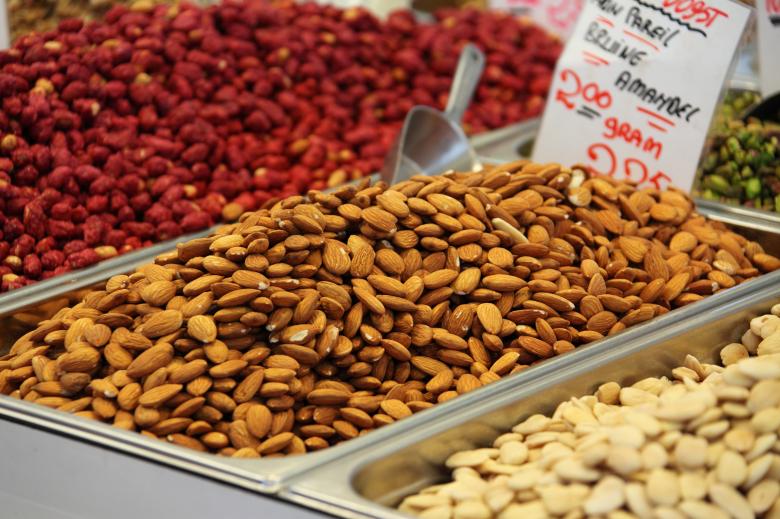 Fiber, omega-3 fats, and minerals like magnesium and selenium can be found in nuts such as walnuts and almonds, as well as seeds like flaxseeds and chia. These nutrients help maintain a healthy metabolism and reduce the body’s inflammatory reaction.
Additionally, they aid in blood sugar regulation and intestinal flora support, both of which are essential for lowering inflammation.
Fiber, omega-3 fats, and minerals like magnesium and selenium can be found in nuts such as walnuts and almonds, as well as seeds like flaxseeds and chia. These nutrients help maintain a healthy metabolism and reduce the body’s inflammatory reaction.
Additionally, they aid in blood sugar regulation and intestinal flora support, both of which are essential for lowering inflammation.
Follow these guidelines:
Consume a handful of mixed nuts each day. Add seeds to cereal, yogurt, and smoothies. Nut butters like almond or peanut butter should be used instead of spreads that contain a lot of sugar.When to Use It:
Snack on them mid-morning or evening for a healthy energy boost.
Add to breakfast bowls or smoothies for daily omega-3 intake.
Who Should Use It:
Students, office workers, and fitness enthusiasts.
People with high blood sugar or inflammation-related fatigue.
Great for vegetarians needing plant-based protein and healthy fats.
7. The Gentle Healer: Green Tea
 One of the most researched anti-inflammatory foods worldwide is green tea. Its primary ingredient, epigallocatechin gallate, or EGCG, aids in blocking molecules that cause inflammation and shields cells from harm.
Additionally, it has been shown to increase metabolism, enhance focus, and support healthy skin. Green tea hydrates your body and offers powerful antioxidant protection, unlike sugar-filled beverages.
One of the most researched anti-inflammatory foods worldwide is green tea. Its primary ingredient, epigallocatechin gallate, or EGCG, aids in blocking molecules that cause inflammation and shields cells from harm.
Additionally, it has been shown to increase metabolism, enhance focus, and support healthy skin. Green tea hydrates your body and offers powerful antioxidant protection, unlike sugar-filled beverages.
How to utilize it:
Drink one or two glasses (hot or iced) per day. For taste and additional vitamin C, add mint or lemon. Don’t add too much milk or sugar.When to Use It:
Best consumed mid-morning or after meals to aid digestion.
Avoid late-night use to prevent caffeine-related sleep issues.
Who Should Use It:
Students and office workers under stress — it helps calm the mind.
People with digestive issues, bloating, or skin problems.
Anyone looking to replace sugary drinks with a healthy antioxidant choice.
8. Cherries: Red Jewels for Healing
 Anthocyanins and polyphenols found in cherries, particularly tart cherries, naturally alleviate inflammation and muscular stiffness. After working out, athletes frequently sip cherry juice because it speeds up muscle recovery and reduces stiffness.
Cherries are among the few fruits that naturally contain melatonin, a hormone that controls sleep cycles; therefore, they’re also beneficial for sleep.
Anthocyanins and polyphenols found in cherries, particularly tart cherries, naturally alleviate inflammation and muscular stiffness. After working out, athletes frequently sip cherry juice because it speeds up muscle recovery and reduces stiffness.
Cherries are among the few fruits that naturally contain melatonin, a hormone that controls sleep cycles; therefore, they’re also beneficial for sleep.
How to utilize it:
Drink 100% tart cherry juice or eat fresh cherries. Add them to oatmeal or fruit bowls. Steer clear of sugar-sweetened canned cherries.When to Use It:
Ideal as an evening snack or post-workout food.
It can be eaten before bedtime to improve sleep quality (contains melatonin).
Who Should Use It:
Athletes and active individuals — reduces muscle soreness.
People struggling with insomnia or stress-related inflammation.
Great for those who want a natural dessert that heals the body.
Cherries’ Advantages
Because of their high anthocyanin content, they naturally reduce inflammation. Tart cherries, in particular, are excellent for athletes because they help ease muscle stiffness. Because they naturally contain melatonin, they promote better sleep. Boost antioxidants and reduce bad cholesterol to improve heart health. Reduce aging and enhance general health by shielding cells from oxidative stress. Because of their low glycemic index and high fiber content, they aid in blood sugar regulation. Encourage quicker recuperation following exercise or physical activities. enhance memory, promote brain health, and lessen the harm caused by inflammation.9. Garlic: The Booster of Immunity
 Garlic actively prevents inflammation in your body in addition to adding flavor to food. Garlic contains the sulfur component allicin, which aids in blocking inflammatory-promoting enzymes. Additionally, it boosts immunity and combats germs.
Garlic is particularly beneficial for those who have excessive cholesterol, hypertension, or arthritis.
Garlic actively prevents inflammation in your body in addition to adding flavor to food. Garlic contains the sulfur component allicin, which aids in blocking inflammatory-promoting enzymes. Additionally, it boosts immunity and combats germs.
Garlic is particularly beneficial for those who have excessive cholesterol, hypertension, or arthritis.
How to utilize it:
When cooking, use crushed, fresh garlic (raw garlic has the most health benefits). Add to stir-fries, soups, and sauces. Garlic’s therapeutic properties are diminished when it is burned.When to Apply It:
For detoxification, eat it first thing in the morning (crushed raw with warm water or honey). For everyday health prevention, it can also be used in lunch and dinner meals.Who Needs to Use It:
individuals with poor immunity, high blood pressure, or high cholesterol. those who are susceptible to illnesses linked to inflammation or recurrent infections. Perfect for anyone looking to reduce their blood pressure naturally.10. Olive Oil: The Healthiest Liquid Gold
 One of the most potent anti-inflammatory foods you can utilize regularly is extra virgin olive oil, sometimes referred to as the “liquid gold” of the Mediterranean diet. It contains oleocanthal, a naturally occurring substance that blocks the body’s inflammatory enzymes to produce modest pain relief. Because of this, olive oil is a great way to support general wellness and reduce chronic inflammation.
Olive oil, which is high in monounsaturated fats and vitamin E, shields your body’s cells from oxidative damage and supports heart health. Frequent ingestion enhances digestion, promotes good skin, and reduces the incidence of chronic illnesses.
One of the most potent anti-inflammatory foods you can utilize regularly is extra virgin olive oil, sometimes referred to as the “liquid gold” of the Mediterranean diet. It contains oleocanthal, a naturally occurring substance that blocks the body’s inflammatory enzymes to produce modest pain relief. Because of this, olive oil is a great way to support general wellness and reduce chronic inflammation.
Olive oil, which is high in monounsaturated fats and vitamin E, shields your body’s cells from oxidative damage and supports heart health. Frequent ingestion enhances digestion, promotes good skin, and reduces the incidence of chronic illnesses.
Instructions for using it:
For a deep taste, drizzle it over roasted vegetables, spaghetti, or salads.When to Use It:
Use daily in salads, cooking, or drizzling over meals.
Best taken raw (uncooked) to keep nutrients and anti-inflammatory benefits intact.
Who Should Use It:
Everyone, especially those with heart disease, arthritis, or digestive issues.
People who consume processed or fried foods, olive oil helps balance the body.
Perfect for those switching to a Mediterranean-style healthy diet.
Benefits of Olive Oil
Oleocanthal is one of its powerful ingredients that lowers inflammation. enhances heart health by lowering bad cholesterol (LDL) and raising good cholesterol (HDL). Packed with antioxidants, especially vitamin E, it protects cells from damage. improves digestion and generally supports gut health. It helps regulate weight when used in place of unhealthy refined oils. enhances brain health and may mitigate age-related cognitive decline. prevents oxidative stress and provides natural moisture to maintain healthy skin. reduces the risk of developing chronic illnesses like diabetes, hypertension, and heart disease.Conclusion:
Heal Your Body with Anti-Inflammatory Foods
Adding anti-inflammatory foods to your daily meals is one of the simplest and most natural ways to protect your health. These foods — such as fatty fish, leafy greens, turmeric, olive oil, and berries — help reduce inflammation, improve heart health, support digestion, and even boost your mood.
If you often experience fatigue, joint pain, or bloating, shifting to an anti-inflammatory diet can make a huge difference. Focus on eating whole, colorful foods and limit sugar, fried items, and processed snacks.
By following these anti-inflammatory nutrition tips and choosing what foods help with inflammation naturally, you can build a strong, balanced body from the inside out. Remember — healing starts with your plate. Make every bite count!
If you want a quick and easy breakdown of balanced eating, don’t miss my guide “Top 5 Facts About a Balanced Diet for Beginners