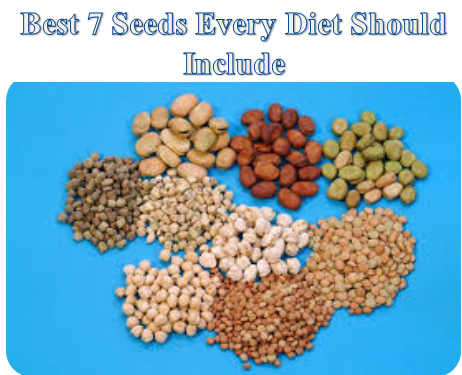
Best 7 Seeds Every Diet Should Include
Introduction
Large food groups like fruits, vegetables, and proteins are frequently the first things that come to mind when we think of healthy eating. However, the simplest foods often have the most impact. Tiny nutritional powerhouses, seeds offer a concentrated dosage of vital elements that our bodies require on a daily basis. Fiber, plant-based protein, antioxidants, good fats, and minerals like calcium, zinc, and magnesium are all abundant in them. They can promote weight management, strengthen the heart, improve digestion, and even increase energy levels despite their small size.
The adaptability of seeds is what makes them even more remarkable. They can be baked into bread and snacks, blended into smoothies, mixed into yogurt, and sprinkled on salads. Students, athletes, and anybody looking to live a better lifestyle can all benefit from them because they easily fit into nearly any diet, whether it be vegetarian, vegan, or non-vegetarian.
As a student of nutrition, I’ve also discovered how crucial seeds are for treating specific medical issues. For example, insulin resistance, weight gain, and hormonal imbalance are common problems for women with
PCOS (Polycystic Ovary Syndrome). Flax, chia, pumpkin, sunflower, and hemp seeds are particularly beneficial for managing PCOS and promoting general health since they can help control hormones, enhance blood sugar regulation, and lessen inflammation.
With good cause, health professionals and nutritionists have begun referring to seeds as “superfoods” in recent years. They help avoid chronic illnesses like obesity, diabetes, heart disease, and PCOS-related issues in addition to providing daily food. Eating seeds on a regular basis is one of the easiest ways to include long-lasting health benefits in your meals.
This post will discuss the Top 7 Seeds That Should Be a Part of Any Diet: hemp, flax, pumpkin, sunflower, and chia. Together, these can be quite effective in maintaining your body’s strength, activity, and hormonal balance. Each of these has special advantages.
1. Chia Seeds: The Supercharged Fiber Source
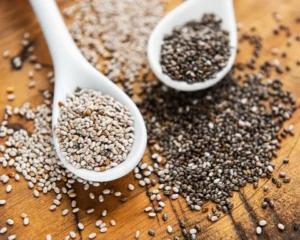
Because they are small in size yet high in nutrients,
chia seeds are frequently referred to be one of the greatest super seeds for health. Omega-3 fatty acids, fiber, plant-based protein, calcium, magnesium, and antioxidants are all abundant in these small black and white seeds. Indeed, a mere 2 tablespoons (28 g) of chia seeds offers approximately 138 calories, 4.7 g of protein, 8.7 g of fat, 11.9 g of carbohydrates, and a remarkable 9.8 g of fiber. Because of this, chia seeds are an excellent complement to any well-balanced diet.
Chia seeds’ high fiber content is one of their most significant advantages. These seeds’ fiber slows down digestion, increases fullness, and helps regulate appetite by absorbing water and forming a gel-like material in the stomach. Because of this, chia seeds work wonders for controlling blood sugar and weight.
Chia seeds are especially good for women with PCOS. Insulin resistance, or the body’s inability to control blood sugar, is a common feature of PCOS. Chia seeds’ soluble fiber helps lessen post-meal blood sugar increases, and their omega-3 fatty acids assist in maintaining hormonal balance and minimizing inflammation. Furthermore, chia seeds include calcium and magnesium, which are necessary for healthy muscles and strong bones—two things that are frequently hampered in women who experience hormone imbalances.
Nutritional Value and Calories (per 28 g/2 tbsp chia seeds):
Approximately 138 kcal
~4.7 g of protein
~8.7 g of fat, primarily omega-3s and other beneficial fats
~11.9 g of carbohydrates
Fiber: around 9.8 g
Calcium: about 18% of daily needs
Magnesium: about 23% of daily needs
How Chia Seeds Are Used:
To prepare chia pudding, soak chia seeds in milk or water for the entire night.
Chia seeds can be added to yogurt, shakes, and smoothies.
Add chia seeds to cereal, oatmeal, or salads.
For a revitalizing detox beverage, combine chia seeds with lemon water.
2. Flax Seeds: A Superfood That Balances Hormones
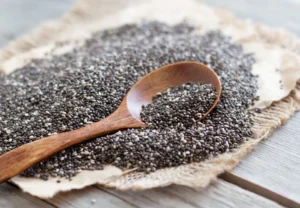
Flax seeds are regarded as one of the most potent plant-based seeds due to their special blend of fiber, lignans, and omega-3 fatty acids. For ages, people have utilized these brown or golden seeds as a natural way to strengthen their hearts and improve their stomachs. About 150 calories, 5 g of protein, 12 g of good fats, 8 g of carbs, and 7–8 g of dietary fiber are all included in a serving of 2 tablespoons (28 g) of flax seeds. It’s obvious that flax seeds contain a lot of nutrients in a tiny quantity.
The abundance of lignans, which function as natural phytoestrogens, is one of the main benefits of flaxseed. Because these substances promote hormonal balance, flax seeds are particularly beneficial for PCOS-affected women. Many women report better menstrual health, greater estrogen balance, and less androgen (male hormone) activity when they include flax seeds in their diet. Additionally, these seeds’ soluble fiber slows the absorption of sugar, which aids in the management of insulin resistance, a major issue with PCOS.
Flax seeds are great for the heart in addition to hormone health. These seeds’ omega-3 lipids cut cholesterol, promote brain function, and lessen inflammation. Flax seeds’ high fiber content helps to maintain gut health, avoid constipation, and enhance digestion.
Nutritional Value and Calories (per 28 g/2 tbsp flax seeds):
About 150 kcal
About 5 g of protein
~12 g of fat (high in omega-3 ALA)
~8 g of carbohydrates
Fiber: about 7–8 g
~6,400 mg of omega-3 ALA
The most abundant plant-based seed is lignans.
Flax Seed Applications:
Because entire flax seeds may pass undigested, always grind them before consuming.
Add ground flax seeds to yogurt, shakes, and smoothies.
Mix flax seeds into the dough for chapatis, muffins, or bread.
When baking, use a mixture of water and ground flax seeds as a nutritious alternative to eggs.
3. Pumpkin Seeds: Tiny Natural Jewels of Nutrients
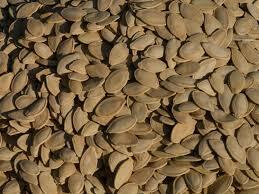
Pumpkin seeds, often known as pepitas, are very nutritious despite their small size. These little green seeds are a natural source of protein, heart-healthy fats, and essential minerals. About 160 calories, 7 grams of protein, 14 grams of healthy fats, 4 grams of carbs, and 2 grams of fiber are found in one ounce, or 28 grams. Because of this, pumpkin seeds are among the healthiest snacks available.
The remarkable magnesium and zinc content of pumpkin seeds is what sets them apart. Magnesium has a vital function in blood sugar regulation, muscle relaxation, and better sleep. Conversely, zinc is essential for immunity, skin radiance, and reproductive health. Pumpkin seeds can be particularly helpful for women with PCOS since they may improve ovarian health, lower undesired hair development, and control hormones. Additionally, these seeds improve insulin sensitivity, which is important for controlling insulin resistance linked to PCOS.
The high antioxidant content of pumpkin seeds is another justification for using them in the diet. These antioxidants protect the heart, reduce inflammation, and combat oxidative stress. Curiously, tryptophan, an amino acid that promotes sound sleep and naturally elevates mood, is also present in pumpkin seeds.
Nutritional Value & Calories (per 28 g/1 ounce pumpkin seeds):
About 160 kcal
Protein: around 7 g
About 14 g of fat, primarily omega-6 and unsaturated
~4 g of carbohydrates
Fiber: about 2 grams
About 37% of the daily value is magnesium.
About 14% of the daily value is zinc.
About 18% of the daily value is iron.
Methods for Savoring Pumpkin Seeds:
For a quick and crunchy snack, simply roast the pumpkin seeds.
Sprinkle these seeds over salads, smoothies, or breakfast bowls.
Add pumpkin seeds to homemade seed butter or sauces.
Add pumpkin seeds to yogurt, trail mix, or granola.
4. Sunflower Seeds: The Seed of Energy
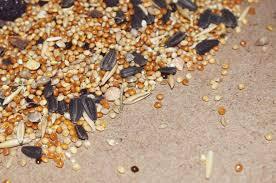
Not only are sunflower seeds a delicious snack, but they are also among the greatest seeds for increasing energy levels. Rich in protein, good fats, vitamins, and minerals, these crispy seeds are extracted from the core of the sunflower. A 28 g (1 ounce) amount of sunflower seeds contains approximately 165 calories, 6 g of protein, 14 g of healthy fats, 6 g of carbs, and 2.5 g of fiber, making them an extremely nutrient-dense option.
Sunflower seeds’ high vitamin E concentration is one of its best qualities. In addition to boosting immunity and shielding the body from oxidative stress, this potent antioxidant promotes radiant skin.
In addition, sunflower seeds are a fantastic source of magnesium, which supports healthy nerves, relaxed muscles, and the generation of energy.
In particular, sunflower seeds can be beneficial for women with PCOS. While the vitamin E in these seeds may help control hormones and promote improved reproductive health, their magnesium aids in increasing insulin sensitivity. Sunflower seeds’ anti-inflammatory qualities can also help reduce PCOS symptoms and enhance general health.
Another significant benefit of using sunflower seeds in your diet is heart health. Their plant-based components and good fats help to improve circulation, lower bad cholesterol, and lower the risk of heart disease. These seeds are also great for weight management and satiety because of their high protein and fiber content.
Nutritional Value and Calories (per 28 g/1 ounce sunflower seeds):
Approximately 165 kcal
~6 g of protein
About 14 g of fat, primarily unsaturated fats
~6 g of carbohydrates
Fiber: about 2.5 g
About 37% of daily needs are met by vitamin E.
Magnesium: around 9% of daily needs
Antioxidants with Selenium: An abundant source
Methods for Savoring Sunflower Seeds:
Roasted sunflower seeds are a great anytime snack.
Add sunflower seeds to yogurt, cereal, or oatmeal.
Make creamy seed butter with sunflower seeds.
For added crunch, sprinkle sunflower seeds over salads, muffins, and baked bread.
5. The Plant Protein Hero: Hemp Seeds
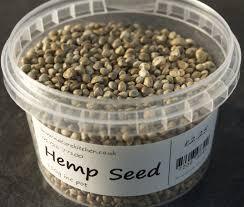
Hemp seeds are among the most potent plant-based sources of protein. These tiny but nutrient-dense seeds offer great levels of minerals, healthy fats, and protein that promote general well-being. About 160 calories, 10 g of protein, 13 g of good fats, and 1 g of fiber are provided by a 28 g (1 ounce) portion of hemp seeds. In contrast to many other plant sources, hemp seeds are a complete protein source since they contain all nine essential amino acids.
Omega-3 and omega-6 fatty acids are well balanced in hemp seeds, which is their true strength. This mixture promotes cognitive function, skin radiance, heart health, and lowers inflammation.
In addition, hemp seeds are a fantastic source of B vitamins, iron, zinc, and magnesium—nutrients that support the development of red blood cells, energy production, and a robust immune system.
Hemp seeds can be particularly helpful for women with PCOS. These seeds’ omega-3 fats lower inflammation and promote hormonal balance, while their plant protein aids with blood sugar regulation. The magnesium in hemp seeds also aids in muscular relaxation, better sleep, and increased insulin sensitivity—all of which are beneficial for managing PCOS.
Additionally, hemp seeds are great for those who are interested in fitness and recuperation. Their protein aids in muscle regeneration, and their minerals and good fats give them sustained energy.
Nutritional Value and Calories (per 28 g/1 ounce hemp seeds):
About 160 kcal
About 10 g of protein
~13 g of fat (high in omega-3 and omega-6)
~2 g of carbohydrates
Fiber: about 1 gram
Important nutrients include iron, zinc, magnesium, and B vitamins.
Applications for Hemp Seeds:
Add hemp seeds to protein drinks or smoothies.
Top salads, soups, or yogurt with hemp seeds.
Add hemp seeds to granola bars and other homemade snacks.
Add hemp seeds to porridge or fruit bowls for a crispy garnish.
6. The Mineral-Rich Seed: Sesame Seeds
Despite their tiny appearance, sesame seeds are a wise addition to everyday meals because of their high nutritional content. Important elements like calcium, magnesium, phosphorus, and zinc, which support healthy teeth, strong bones, and bodily processes, are particularly abundant in these seeds. Sesame seeds provide around 160 calories, 5 g of protein, 13 g of fat, 7 g of carbohydrates, and 4 g of fiber every 28 g (1 ounce) serving.
Sesame seeds’ high calcium content, which promotes bone health and guards against weakness, is one of their key advantages.
Additionally, lignans, which are naturally occurring plant chemicals, have antioxidant properties and are found in sesame seeds. The lignans included in sesame seeds maintain hormonal balance, lower inflammation, and protect the heart.
It can be very beneficial for women with PCOS to consume sesame seeds. These seeds’ lignans may help balance estrogen levels, while their protein and fiber help maintain normal blood sugar levels. Sesame seeds contain magnesium, which also helps with insulin sensitivity and stress reduction—two factors that are critical for managing PCOS.
The benefits for skin and hair are also well-known for sesame seeds. Rich in zinc, vitamin E, and antioxidants, sesame seeds strengthen hair, promote skin radiance, and delay the onset of premature aging.
Nutritional Value and Calories (per 28 g/1 ounce sesame seeds):
About 160 kcal
About 5 g of protein
About 13 g of fat
~7 g of carbohydrates
Fiber: about 4 g
Calcium, magnesium, zinc, vitamin E, and lignans are important nutrients.
Uses for Sesame Seeds:
Add sesame seeds to noodles, rice bowls, and salads.
Incorporate roasted sesame seeds into hummus, chutneys, and sauces.
Add sesame seeds to snack bars, crackers, or bread.
Try tahini, a sesame seed paste, as a spread or dip.
7. Pomegranate Seeds: The Power Seed of Antioxidants
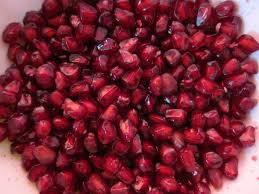
Pomegranate seeds are little red gems with a sweet-tart taste and a wealth of health advantages. These seeds are high in fiber, potassium, vitamin C, and antioxidants like polyphenols that shield the body from harm caused by free radicals. Pomegranate seeds provide around 83 calories, 1.7 g protein, 1.2 g fat, 19 g carbohydrates, and 4 g fiber per 100 g serving.
Pomegranate seeds’ primary strength is their antioxidant content, which helps to lower inflammation, increase blood flow, and maintain heart health. Additionally, these seeds have been shown to boost immunity and reduce blood pressure.
Pomegranate seeds are useful for women with PCOS. These seeds’ fiber promotes improved blood sugar regulation and digestion, and their antioxidants lessen oxidative stress—which is frequently increased in PCOS patients. Pomegranate seeds’ vitamin C also improves skin health by lowering acne-related issues and providing a natural glow.
Pomegranate seeds’ ability to provide energy and hydration is another benefit. These seeds are a great snack for students, athletes, or anyone else who needs a rapid energy boost without consuming harmful sugar because they are naturally sweet and high in water.
Nutritional Value and Calories (per 100 g of pomegranate seeds):
Approximately 83 kcal
~1.7 g of protein
Approximately 1.2 g of fat
~19 g of carbohydrates
Fiber: about 4 g
High in fiber, polyphenols, potassium, and vitamin C
Methods for Utilizing Pomegranate Seeds:
As a snack, consume fresh pomegranate seeds.
Add seeds to salads, yogurt, or porridge.
Add pomegranate seeds to smoothies by blending them.
Use as a vibrant garnish for rice meals or desserts.
Conclusion
Despite their small size, seeds contain a wealth of minerals that can significantly enhance health. Every type of seed—chia, flax, pumpkin, sunflower, hemp, sesame, or pomegranate—contributes something special, ranging from fiber and protein to antioxidants, healthy fats, and minerals.
Including seeds in your daily diet helps with digestion, increases vitality, fortifies the heart, and keeps the body moving. Because seeds naturally reduce inflammation, blood sugar problems, and hormone imbalance, they are even more beneficial for women with PCOS.
The greatest thing about seeds is that they may be added to cereals, salads, smoothies, or just eaten as a snack. Without adding a lot of calories, eating a little handful every day can provide long-term health benefits.
As a student of nutrition, I believe that seeds are easy, inexpensive, and incredibly powerful superfoods. A simple yet effective way to improve your general health, weight balance, and well-being is to incorporate these seven excellent seeds into your diet.