Smart 7-Day Nutrition Plan for Students & Families
Introduction
Maintaining optimal health, vitality, and focus requires the greatest weekly diet plan, particularly for families and students. A well-crafted seven-day diet plan guarantees meals that are balanced and contain the appropriate proportions of healthy fats, proteins, carbs, vitamins, and minerals. Families need a planned weekly diet to stay energized and avoid lifestyle diseases, while students need nutritious meals to enhance focus and memory for academics. Students and families can save time, consume wholesome meals, and form long-lasting healthy habits by adhering to a 7-day Nutrition plan.
The greatest weekly nutrition plan provides a clear framework for eating healthily every day, which is why it is so crucial. Because they are unsure about what to eat, most people—students in particular—skip meals or eat junk food. Cooking meals that are balanced for everyone is another challenge for families. With a healthy 7-day dietary plan, these issues can be resolved with ease. In addition to saving time and money, it offers a balanced diet that promotes mental clarity, physical development, and general well-being. Families can establish good eating habits together, and kids can maintain concentration on their studies with the support of a weekly diet plan.
Eating pricey meals and adhering to intricate diets are not the finest weekly nutrition plans. Rather, it emphasizes easy, inexpensive, and home-based meals that families and students can include in their daily routines. Every meal in a well-balanced seven-day nutrition plan will have the proper proportions of healthy fats that promote brain function, proteins that build muscle, energy-giving carbs, and vitamins and minerals that boost immunity. Students who adhere to a nutritious weekly meal plan report increased energy levels throughout the day, enhanced memory, and greater focus. In a similar vein, sharing nutritious meals strengthens family ties, improves health, and lowers the risk of lifestyle diseases.
Why is a Weekly Nutrition Plan Important?
1. Offers Nutritious Balance
Families and kids are guaranteed to acquire all necessary nutrients in the proper amounts thanks to the best weekly nutrition plan. A well-crafted seven-day diet plan consists of vitamins and minerals for a robust immune system, healthy fats for brain function, proteins for muscle growth, and carbohydrates for energy. In the absence of a weekly diet plan, many people either overindulge in unhealthy foods or fail to get essential nutrients.
2. Saves time and lessens tension
Meal planning is facilitated by the best weekly nutrition plan, which is one of its main advantages. Families struggle to make decisions about everyday meals, and students frequently squander time choosing what to eat. A concise seven-day nutrition plan eliminates uncertainty and anxiety, making mealtimes easy and pleasurable.
3. Boosts Vitality and Concentration
The ideal weekly diet plan for students is directly associated with increased energy and improved focus. A healthy diet enhances memory, focus, and brain function—all of which are critical for studying and tests. Following a healthy weekly meal plan also helps families feel happier and have more energy since wholesome foods decrease weariness and stabilize blood sugar.
4. Prevents Diseases Caused by Lifestyle
The greatest weekly diet plan is also crucial because it reduces the risk of lifestyle disorders, including diabetes, heart disease, and obesity. A well-planned seven-day diet guarantees more fruits and vegetables, less sugar, and less junk food. Families can preserve long-term health, and students can keep active and fit.
Key Components of the Best Weekly Nutrition Plan

1. Carbohydrates
The best weekly diet plan always incorporates healthy sources of carbohydrates because the body uses them as its main energy source. Instead of processed carbs like white bread and sugary snacks, families and students should choose healthy grains like potatoes, brown rice, and oats. These slow-digesting carbohydrates provide you with longer-lasting energy and improve focus.
2. Protein Growth and Repair
An effective seven-day diet plan must include protein. Proteins support muscle growth, tissue repair, and physical activity. Fish, poultry, eggs, lentils, and beans are all excellent sources of protein for students. Families gain from including protein in every meal since it supports both adult and child growth. Therefore, the best weekly diet plan always includes meals.
3. Heart and Brain Health with Good Fats
The ideal weekly diet plan should emphasize healthy fats like those found in avocados, nuts, seeds, and olive oil rather than avoiding them. These fats strengthen memory, increase brain function, and safeguard heart health. To stay focused when studying, students in particular require omega-3 fatty acids from foods like fish or flaxseeds.
4. Fruits and Vegetables: Minerals and Vitamins
Seasonal fruits and fresh vegetables are essential to a healthy weekly diet plan since they are rich in fiber, vitamins, and minerals. These aid in strengthening immunity, enhancing digestion, and defending the body against illness. The optimal weekly dietary plan for families and kids consistently suggests consuming four to five servings of fruits and vegetables each day.
5. The Ignored Nutrient: Water
Without water, even the best weekly diet plan is insufficient. Maintaining proper hydration enhances energy, brain function, and digestion. During hectic study schedules, students frequently neglect their water intake, and families may substitute sugary drinks for water. Every seven-day diet plan should include 8–10 glasses of water every day.
7-Day Nutrition Plan for Students and Families
First Day
Breakfast: Almonds, banana slices, and oatmeal cooked in milk make the ideal beginning to any weekly diet plan.
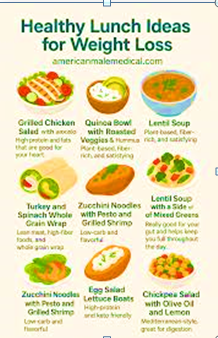
Lunch is a balanced protein and carbohydrate dish of grilled chicken breast, brown rice, and steamed vegetables.
Snack: An Apple with peanut butter gives students a boost of energy quickly.
Supper is a healthy and easy family meal of whole-wheat bread and lentil soup.
Day Two
Breakfast: A staple of any seven-day diet plan is boiled eggs with whole-grain bread and fresh orange juice.
Lunch is a light yet substantial dish of baked fish, boiled potatoes, and cucumber salad.
Snack: Honey and walnut-topped yogurt, which enhances cognitive function and digestion.
Dinner is a simple, family-friendly dish that fits into the weekly diet plan: mixed vegetable curry with chapati.
Day Three
Breakfast: A brain-boosting smoothie made with spinach, banana, oats, and milk for students.
Lunch is a plant-protein-rich chickpea salad with cucumber, tomato, and olive oil.
Snack: A handful of mixed nuts, one of the greatest energy-boosting weekly meal plans.
Dinner is a simple dinner for busy families: grilled chicken wraps with veggies.
Day Four
Breakfast is a classic yet healthful option: whole-wheat paratha with yogurt and green tea.
Lunch is a balanced meal that is a staple of any seven-day diet plan: rice with lentils (daal chawal) and fresh salad.
Snack: A quick and cool seasonal fruit, such as guava, apple, or mango.
Dinner: Steamed broccoli and grilled fish add omega-3 to the ideal weekly diet.
Day Five
Breakfast is a healthy combination of whole-grain bread, scrambled eggs, and milk.
Lunch is a healthy option for families: chicken curry with chapati and salad.
Snack: A nutritious substitute for fried snacks is roasted chickpeas.
Dinner is a light, easy-to-digest meal of bread and vegetable soup.
Day Six
Breakfast: Porridge with nuts and dates on top; this is a component of the weekly diet plan for long-lasting energy.
Lunch is a healthier take on a family favorite: cucumber raita and biryani with less oil.
Snack: A handful of sunflower or pumpkin seeds with fresh fruit juice.
Dinner: A vegetarian choice for the 7-day diet plan is grilled paneer or tofu with sautéed vegetables.
Day Seven
Breakfast is a banana milkshake and a boiled egg sandwich, which gives pupils lots of energy.
Lunch is a comprehensive, high-protein meal consisting of grilled kebabs, brown rice, and salad.
Snack: Light and pleasant yogurt with seasonal fruit.
Dinner is a simple, affordable choice for families following the best weekly nutrition plan: mixed veggie curry with chapati.
For more details on healthy eating guidelines, you can check the
Healthy Eating Plate
Tips for Following the Best Weekly Nutrition Plan
Families and kids who follow a few easy guidelines will find it easier to stick to the best weekly nutrition plan. The 7-day nutrition plan is more useful, pleasurable, and efficient for daily living with these suggestions.
Emphasize Local and Seasonal Foods
Seasonal fruits and vegetables should be a part of the ideal weekly diet plan. They are more reasonably priced, healthier, and fresher. In September, for instance, families and kids can include peas, spinach, apples, and guava in their meals. The 7-day diet plan is easier to follow and healthier when it includes seasonal items.
Put Portion Control Into Practice
Portion sizes that are too much or too tiny will ruin even the best weekly diet plan. In order to maintain their energy levels during class, students should eat enough, but not too much. Families can maintain balance by dividing meals into portions, using smaller dishes, and avoiding second serves of heavier foods.
Make Meals Ahead of Time
Meal preparation is a helpful weekly diet plan strategy. Extra veggies, grilled chicken, or lentils can be prepared and stored for the following day by families. To stay away from junk food, students should make snacks like boiled eggs or nuts ahead of time. Preparing meals ahead of time helps you stick to your weekly nutrition plan.
Drink plenty of water.
Drinking lots of water is essential to the greatest weekly diet plan. During class, many students neglect to drink enough water, and families frequently substitute tea, coffee, or soft beverages for water. Eight to ten glasses of water a day improve energy, focus, and digestion.
Restrict Sugary Drinks and Junk Food
A 7-day diet plan that works requires cutting out soda, chips, and fast food. Healthy snacks like yogurt, roasted chickpeas, or fruits should be carried by students. Families can use lemon water or fresh juices in place of soft drinks. Reducing junk food increases the effectiveness of the best weekly nutrition plan.
Include All Family Members
When the entire family adheres to the greatest weekly dietary plan, it performs better. While adolescents are inspired to abstain from junk food, parents can serve as role models by eating nutritious meals. Family ties are strengthened, and the weekly diet plan is made more fun when meals are shared.
Be Adaptable and Practical
No weekly diet plan is flawless. Families may prepare a special meal, or pupils may occasionally dine outside. It’s alright! The important thing is to go back to the optimal weekly diet plan the next day. The plan is long-term and sustainable since it is adaptable.
Common Mistakes People Make in a Weekly Nutrition Plan
Many people make little errors that lessen the benefits of the best weekly nutrition plan, even if families and kids make an effort to follow it. These errors frequently appear to be small, yet they have long-term effects on energy, focus, and health.
Skipping breakfast is among the most frequent errors. Many students mistakenly believe that missing breakfast will help them save time or control their weight. Lack of breakfast lowers energy levels, impairs concentration in class, and increases unhealthy desires. Families often suffer since skipping breakfast causes them to overeat at noon, throwing off the weekly diet plan’s equilibrium.
Over-reliance on fast food is another error. It’s okay to occasionally eat pizza, burgers, and fried snacks, but incorporating them into meals on a daily basis negates the benefits of the finest weekly nutrition plan. Fatigue, obesity, and long-term health issues are caused by the excessive levels of bad fats, salt, and sugar found in fast food.
It is also very typical to
ignore portion quantity. When consumed in excessive quantities, even nutritious food can become hazardous. For instance, while nuts are beneficial to students, consuming too many of them can result in an unnecessary increase in caloric intake. Controlling each portion is the key to the success of the 7-day nutrition plan.
Another error is
not drinking enough water. Families rely on tea and coffee, while students frequently substitute energy drinks or soda for water. Low energy, headaches, and dehydration result from this. Eight to ten glasses of water a day are always emphasized in the ideal weekly nutrition plan.
Last but not least, people frequently overlook wholesome snacks in between meals. This causes individuals to crave and gravitate toward junk food. Small snacks like fruit, yogurt, or almonds are always a part of a well-rounded weekly diet plan because they help maintain consistent energy levels throughout the day.
How the Best Weekly Nutrition Plan Helps Students
Exams, physical activities, and extended study sessions are all faced by students. The greatest weekly diet plan gives you the energy and concentration you need to succeed. A well-balanced diet enhances memory and focus, which contributes to improved academic achievement. For instance, consuming foods high in protein in the morning, such as lentils or eggs, can increase attentiveness in class.
Fatigue is also avoided by following the weekly eating plan. After eating a lot, students don’t feel drowsy; instead, they remain alert during lectures. Long-lasting energy is provided by balanced meals that include fruits, whole grains, and proteins.
How the Best Weekly Nutrition Plan Helps Families
The greatest weekly nutrition plan for families makes sure that everyone shares in balanced meals. It fosters healthy eating habits in kids from a young age and lessens conflicts over food choices. Setting an example by eating the same foods as their children encourages them to stay away from junk food.
When families stick to a weekly nutrition plan, they also save money. Rather than wasting money on pricey fast food, consumers can purchase seasonal grains, fruits, and vegetables in large quantities. This helps with budgeting in addition to improving nutrition.
Weekly Nutrition Plan vs. Random Eating
There is a noticeable difference between eating at random and adhering to the best weekly nutrition plan. All nutrients—carbohydrates, proteins, fats, vitamins, and minerals—are included in balanced amounts while following a seven-day diet plan. It promotes general health, adds structure, and saves money.
Random eating, on the other hand, frequently results in junk food, missing meals, and nutritional deficits. Families may have health issues like diabetes or obesity, while students may feel worn out and unable to concentrate. For this reason, following the weekly diet plan is far preferable to eating at random.
Conclusion
Ultimately, adhering to the ideal weekly nutrition plan involves making wise food choices each day rather than rigorous dieting. This approach gives pupils more energy, focus, and memory for both academics and athletics. Families benefit from cost savings, long-term health protection, and the development of healthy food habits. The seven-day nutrition plan becomes useful and pleasurable for everyone when it incorporates seasonal fruits, vegetables, whole grains, proteins, and nutritious snacks.
A planned diet offers discipline, structure, and balance in contrast to haphazard eating. Meal planning, portion control, and increasing water intake are just a few minor changes that can have a significant impact. The ideal weekly diet plan is adaptable, reasonably priced, and appropriate for people of all ages.
Whether you’re a family looking to improve your health or a student seeking to perform better, start with this weekly food plan and learn how minor adjustments may have a major impact.
You can get more useful suggestions for maintaining a balanced diet on hectic days by reading
7 Best Quick Nutrition Tips for Busy People in addition to this 7-day nutrition plan.


