


Top 10 best iron-rich foods
Introduction
Iron-rich foods are essential for maintaining the body’s strength, vitality, and health. Hemoglobin, the protein in red blood cells that transports oxygen from the lungs to the rest of the body, is mostly formed by it. Your body cannot make enough healthy red blood cells when iron levels fall, which results in iron deficiency anemia, a disorder that causes weakness, exhaustion, lightheadedness, pale skin, and difficulty concentrating. Women, youths, vegetarians, and those who don’t eat a balanced diet are more susceptible to iron deficiency. Low iron levels may be the cause of your inability to concentrate in class or your ongoing fatigue as a working adult. Fortunately, many issues can be resolved without the need for supplements. You can prevent iron deficiency and naturally raise your iron levels by incorporating foods high in iron into your daily diet. Two varieties of dietary iron exist: Heme iron is readily absorbed by the body and is present in foods derived from animals. Vitamin C and other minerals are necessary for the absorption of non-heme iron, which is present in plant-based diets. What is iron? Your body requires iron as a necessary mineral to survive and function correctly. The production of hemoglobin, a protein found in red blood cells that transports oxygen from your lungs to the rest of your body, depends on it. Here are the top 10 iron-rich foods, both vegetarian and non-vegetarian, that can help you keep your blood levels in check, boost your energy, and promote general wellness. In addition to being the finest meals for anemia, these are also ideal for anyone who wants to maintain their nutrition and fitness. Iron-Rich Foods Table (Per 100g unless stated)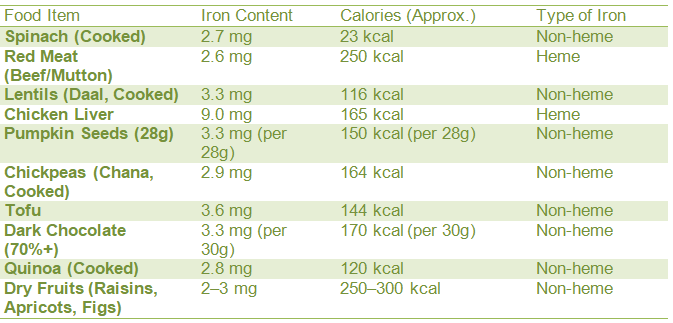
1. Spinach (Palak)
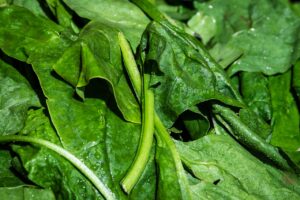 Iron Content: About 2.7 milligrams of iron per 100g (boiled)
Iron type: non-heme iron derived from plants
I’ve discovered as a nutrition student that spinach is among the most readily available and reasonably priced iron-rich veggies. Non-heme iron, the kind of iron present in plants, is abundant in it. Spinach has vitamin C, which aids in improving absorption, even if it doesn’t absorb as readily as iron derived from animals.
Iron Content: About 2.7 milligrams of iron per 100g (boiled)
Iron type: non-heme iron derived from plants
I’ve discovered as a nutrition student that spinach is among the most readily available and reasonably priced iron-rich veggies. Non-heme iron, the kind of iron present in plants, is abundant in it. Spinach has vitamin C, which aids in improving absorption, even if it doesn’t absorb as readily as iron derived from animals.
2. Red Meat (Beef or Mutton)
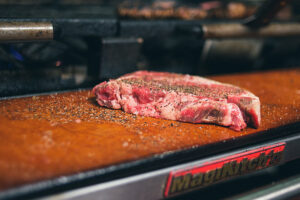 Iron Content: Approximately 2.6 mg of iron per 100 g
Iron type: One type of iron that is easily absorbed is heme iron.
When we looked into heme iron, I saw how highly recommended red meat is. Because red meat is more bioavailable than plant-based diets, the body can absorb iron from it more effectively. As a result, it is one of the greatest foods for anemia.
For meat lovers, a little portion of beef or mutton a few times a week can help keep iron levels stable. For girls who lose blood every month and are often weak or dizzy, I have seen its benefits. Not everyone can use it; however, it works best when taken sparingly and in combination with a balanced diet.
Iron Content: Approximately 2.6 mg of iron per 100 g
Iron type: One type of iron that is easily absorbed is heme iron.
When we looked into heme iron, I saw how highly recommended red meat is. Because red meat is more bioavailable than plant-based diets, the body can absorb iron from it more effectively. As a result, it is one of the greatest foods for anemia.
For meat lovers, a little portion of beef or mutton a few times a week can help keep iron levels stable. For girls who lose blood every month and are often weak or dizzy, I have seen its benefits. Not everyone can use it; however, it works best when taken sparingly and in combination with a balanced diet.
3. Lentils (Daal)
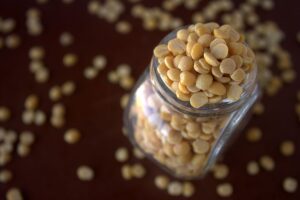
More:
View public domain image source here
4. Chicken Liver (or Beef Liver)
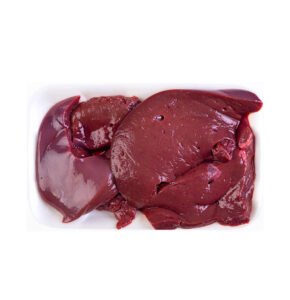 Iron Content: About 9 milligrams of iron per 100g
Iron type: Heme iron
When I discovered that liver is one of the best sources of iron in one of my nutrition lectures, I was shocked! Its strong flavor makes it unpopular with students and young people, yet medically speaking, it’s a powerful food for persons with low hemoglobin levels.
In addition to protein, vitamin B12, and vitamin A, chicken liver contains heme iron, which is readily absorbed. Women, expectant mothers, and people with iron deficiency will benefit most from it. Because of its high nutrient content, I advise consuming this food in small amounts, once a week.
Iron Content: About 9 milligrams of iron per 100g
Iron type: Heme iron
When I discovered that liver is one of the best sources of iron in one of my nutrition lectures, I was shocked! Its strong flavor makes it unpopular with students and young people, yet medically speaking, it’s a powerful food for persons with low hemoglobin levels.
In addition to protein, vitamin B12, and vitamin A, chicken liver contains heme iron, which is readily absorbed. Women, expectant mothers, and people with iron deficiency will benefit most from it. Because of its high nutrient content, I advise consuming this food in small amounts, once a week.
5. Pumpkin Seeds
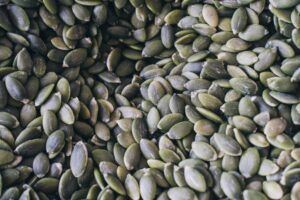 Iron Content: 28 g of iron contains about 3.3 mg.
Iron type: Non-heme iron
I enjoy carrying pumpkin seeds as a snack during lectures or tests. They are delicious and crispy, and they are also rich in zinc, magnesium, and iron. A tiny handful can increase your daily intake of nutrients.
Students, teenagers, and anybody looking for a nutritious, iron-rich snack that is also beneficial for immunological and brain function may choose pumpkin seeds. They can be eaten straight or sprinkled over porridge or salads.
Iron Content: 28 g of iron contains about 3.3 mg.
Iron type: Non-heme iron
I enjoy carrying pumpkin seeds as a snack during lectures or tests. They are delicious and crispy, and they are also rich in zinc, magnesium, and iron. A tiny handful can increase your daily intake of nutrients.
Students, teenagers, and anybody looking for a nutritious, iron-rich snack that is also beneficial for immunological and brain function may choose pumpkin seeds. They can be eaten straight or sprinkled over porridge or salads.
6. Chickpeas (Chana)
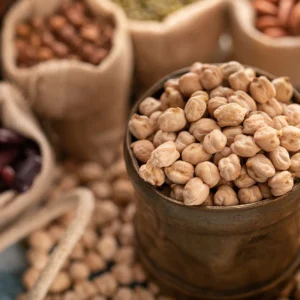 Iron Content: Approximately 2.9 milligrams of iron per 100g
Iron type: non-heme iron
A favorite of mine as well, chickpeas are inexpensive, adaptable, and incredibly satisfying. There are numerous methods to prepare them, ranging from hummus to chana chaat. In my capacity as a nutrition student, I suggest chickpeas due to their high fiber, protein, and iron content.
When combined with meals high in vitamin C, chickpeas are a great addition to an iron-rich lunch for people who become weary easily. I’ve recommended this to vegetarian friends, and they reported feeling much more energized.
Iron Content: Approximately 2.9 milligrams of iron per 100g
Iron type: non-heme iron
A favorite of mine as well, chickpeas are inexpensive, adaptable, and incredibly satisfying. There are numerous methods to prepare them, ranging from hummus to chana chaat. In my capacity as a nutrition student, I suggest chickpeas due to their high fiber, protein, and iron content.
When combined with meals high in vitamin C, chickpeas are a great addition to an iron-rich lunch for people who become weary easily. I’ve recommended this to vegetarian friends, and they reported feeling much more energized.
7. Tofu
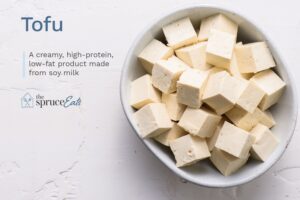 Iron Content: Approximately 3.6 milligrams of iron per 100g
Iron type: Non-heme iron.
Although tofu is uncommon in Desi households, it is becoming more and more well-liked, and for good cause. Tofu, which is made from soybeans, is ideal for vegetarians and vegans since it is high in iron, protein, and calcium.
I found tofu in stir-fries to be flavorful and filling. As a student, I suggest tofu to anyone searching for easily incorporated, iron-rich, plant-based foods. Tofu can even be used in salads, curries, and sandwiches.
Iron Content: Approximately 3.6 milligrams of iron per 100g
Iron type: Non-heme iron.
Although tofu is uncommon in Desi households, it is becoming more and more well-liked, and for good cause. Tofu, which is made from soybeans, is ideal for vegetarians and vegans since it is high in iron, protein, and calcium.
I found tofu in stir-fries to be flavorful and filling. As a student, I suggest tofu to anyone searching for easily incorporated, iron-rich, plant-based foods. Tofu can even be used in salads, curries, and sandwiches.
8. Dark Chocolate (70%+ Cocoa)
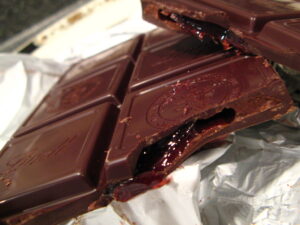 Iron Content: About 3.3 milligrams of iron per 30g
Iron type: Non-heme iron type
Approximately 170 kcal per 30g
Unexpectedly, dark chocolate contains iron in addition to being delicious. Iron content increases with the proportion of cocoa. It contains mood-enhancing compounds and antioxidants, and in small amounts, it can help you get more iron.
Also Read: 15 Best Foods to Eat Daily for Good Health
Iron Content: About 3.3 milligrams of iron per 30g
Iron type: Non-heme iron type
Approximately 170 kcal per 30g
Unexpectedly, dark chocolate contains iron in addition to being delicious. Iron content increases with the proportion of cocoa. It contains mood-enhancing compounds and antioxidants, and in small amounts, it can help you get more iron.
Also Read: 15 Best Foods to Eat Daily for Good Health
9. Quinoa
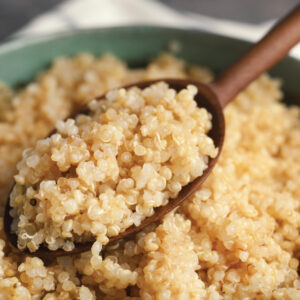 Iron Content: About 2.8 milligrams of iron per 100g (boiled)
Iron type: Non-heme iron type
Approximately 120 kcal per 100g
Quinoa is a grain-like seed that is frequently included in contemporary, healthful diets. It offers full protein and is naturally gluten-free. For those seeking grains high in iron, this is a great option. Iron absorption is increased when it is consumed with vegetables like tomatoes or bell peppers.
Iron Content: About 2.8 milligrams of iron per 100g (boiled)
Iron type: Non-heme iron type
Approximately 120 kcal per 100g
Quinoa is a grain-like seed that is frequently included in contemporary, healthful diets. It offers full protein and is naturally gluten-free. For those seeking grains high in iron, this is a great option. Iron absorption is increased when it is consumed with vegetables like tomatoes or bell peppers.
10. Dry Fruits (figs, raisins, and apricots)
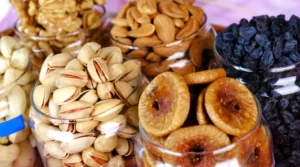 Iron Content: About 2-3 milligrams of iron per 100g
Iron type: Non-heme iron type
About 250–300 kcal per 100g of food
Iron Content: About 2-3 milligrams of iron per 100g
Iron type: Non-heme iron type
About 250–300 kcal per 100g of food
Function of iron in our body
Iron’s roles in the body include carrying oxygen and being a component of myoglobin in muscles and hemoglobin in red blood cells. Promotes Metabolism: Aids in the synthesis of energy by enzymes. Fortifies the immune system, aiding in the battle against illnesses. Brain Development: Particularly significant for young children and babies.Who Is Most in Need of Iron?
Women (particularly when they are pregnant or menstruating) Children and infants Teens (stage of growth) Vegans and vegetarians (who consume less iron from plants) Athletes (because they lose sweat)Conclusion
An easy and delicious way to increase iron levels is to eat dry fruits. Figs, raisins, and dried apricots offer iron, fiber, and instant energy. They can be added to desserts or breakfast bowls, or they form the ideal snack. Regularly including them helps people stay energized, especially those with hectic schedules. Iron is one of the most important minerals in our bodies. It aids in the production of hemoglobin, the oxygen-carrying component of red blood cells. When we don’t get enough iron, we can develop iron deficiency or anemia, which manifests as weakness, fatigue, dizziness, and possibly even paleness. This is a common problem among girls, women, children, and even students like us. Among the foods that are good for you are red meat, spinach, lentils, chickpeas, chicken liver, pumpkin seeds, tofu, quinoa, dry fruits, and even dark chocolate. Heme iron is derived from animals and is quickly absorbed, while non-heme iron is derived from plants and works best when taken alongside vitamin C. For example:
- Serve lemon juice with spinach
- Eat tomato salad with chickpeas or lentils
- Savor quinoa or tofu with bell peppers
- Snack on some dried apricots or raisins with nuts