Top 12 Seasonal Foods for Every Month of the Year
Introduction
As a student of nutrition, I firmly believe that the key to maintaining good health throughout the year is consuming the correct foods at the right times. I wrote this post on the Top 12 Seasonal Foods for Each Month of the Year for that reason. Eating delicious, fresh food is simply one aspect of seasonal nutrition; another is ensuring that we are obtaining the precise nutrients our bodies require at each time of year. Compared to fruit that is out of season, foods that naturally grow in a given month are higher in vitamins, minerals, and antioxidants.
This seasonal diet plan is easy to follow, reasonably priced, and ideal for students, families, and health-conscious individuals. For instance, in the winter, fruits like guava and oranges increase immunity.
In the summer, however, cucumbers and melons keep us hydrated and cool. Every month of the year has its own special meals that help us achieve our health objectives, whether they be increased energy, improved digestion, or a stronger immune system.
The greatest seasonal fruits and vegetables for each month are included in this article’s healthy eating recommendations. You may save money, enhance the quality of your diet, and savor the inherent flavor of fresh foods by according to this monthly nutrition plan. With the help of the Top 12 Seasonal Foods for Each Month of the Year, let’s start our road toward healthier eating.
Spring (March – May)
The season of spring is lovely because it brings out the freshness and color of nature. Spring holds a particularly special place in the Top 12 Seasonal Foods for Every Month of the Year because it offers us nutrient-dense fruits and vegetables that help us gear up for the summer heat and recuperate from the winter cold. This is the ideal time to eat foods that increase immunity, give you more energy, and make you healthier overall. Following a seasonal diet plan allows us to save money, stay in touch with nature, and enjoy delicious, fresh meals. The top three foods to incorporate into your springtime monthly diet are listed here.
1. March Strawberries

Everyone enjoys
strawberries, which are among the first fruits of the spring. They are abundant in antioxidants such anthocyanins, vitamin C, manganese, and folate. These nutrients boost immunity, enhance skin health, and combat free radicals. March is the ideal month to eat strawberries as part of a seasonal diet plan since they are more nutrient-dense, fresh, and reasonably priced than off-season strawberries.
Strawberries are a great brain food for children since they help with focus and memory. Families can use them as a natural sweet snack in place of candy or in fruit salads, smoothies, and breakfast bowls. Incorporating strawberries into your seasonal diet plan also promotes digestion and heart health.
2. April spinach
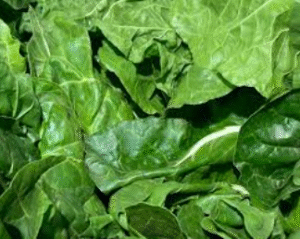
A superfood that blooms in abundance in April is spinach. Iron, calcium, vitamin K, vitamin C, and dietary fiber are all abundant in it. Because it promotes blood formation, strengthens bones, and combats fatigue, spinach is a key component of the healthy eating plan. Spinach is particularly beneficial to students since it gives them consistent energy and helps them concentrate when studying.
You may maintain a healthy and cost-effective diet by including spinach in your April monthly nutrition plan. There are several ways you can use spinach:
For a cool taste, add to salads dressed with lemon.
Add to banana smoothies for added energy.
For a full meal, cook with pasta, rice, or lentils.
Strong antioxidants like lutein and zeaxanthin, which are found in spinach, also support eye health. According to the Top 12 Seasonal Foods for Every Month of the Year, spinach is therefore among the greatest seasonal vegetables for April.
3. May Mango
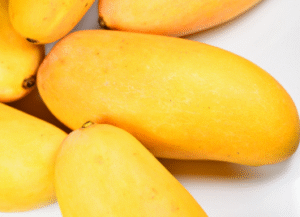
May is the tastiest month of spring because of the mango, also known as the “king of fruits.” Vitamins A, C, potassium, and dietary fiber are all abundant in mangoes. Mango is emphasized in the Top 12 Seasonal Foods for Every Month of the Year because it improves immunity, aids in digestion, and safeguards eye health. Instant energy is provided by its natural sugar, which is highly helpful for families on hot summer days and for students during exam season.
Your meals will taste better if you include mangoes in your list of seasonal, well-balanced foods. You can make fresh mango salads, combine them into smoothies or milkshakes, or eat them raw. They are also a healthy alternative to processed treats for sating sweet tooths. Mangoes are tasty and nutritious when included in a seasonal diet.
Summer (June – August)
Our bodies rapidly lose water throughout the long, hot summer months, necessitating additional cooling, energy, and hydration. Summer foods are essential for preserving equilibrium in the Top 12 Seasonal Foods for Every Month of the Year. In addition to being delicious, eating fresh, juicy, and light foods throughout the summer helps shield the body against heat fatigue, dehydration, and low energy. Water-rich fruits, fiber-rich veggies, and easily digested foods are all part of a healthy summertime seasonal diet plan that keeps families and students energized and active.
4. June watermelon
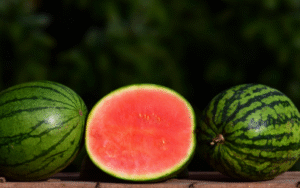
One of the best summertime fruits is watermelon. It is the most hydrating food of June because it has 92% water. Watermelon is rich in potassium, lycopene, vitamin A, and vitamin C in addition to being hydrating. Strong antioxidant lycopene promotes heart health, enhances skin radiance, and guards against the damaging effects of heat.
Watermelon is a great midday snack for children since it gives them energy without making them feel weighed down. Children, adults, and senior citizens can all enjoy it, making it one of the most reasonably priced fruits of June for families. It can be added to a vibrant fruit salad, blended into fresh juice, or consumed in plain slices. Watermelon is always included in the seasonal dietary guide since it helps with digestion, prevents dehydration, and helps control body temperature on hot days.
5. July Cucumbers

One of July’s most adaptable and refreshing veggies is the cucumber. It is naturally high in potassium, magnesium, vitamin K, and water, yet low in calories. Cucumber is therefore an essential part of the summertime seasonal diet plan. It promotes hydration, aids in body cooling, and enhances skin health. Antioxidants, including flavonoids and tannins, which lower inflammation and guard against cell damage, are also abundant in cucumbers.
Cucumbers help students focus better and avoid fatigue during study sessions because they are a light snack. Cucumbers can be used in many ways by families:
They make a refreshing side dish when added to salads that contain lemon and herbs.
Combine with yogurt to create raita, a classic summertime dish.
6. August corn

Corn, often known as maize, is a popular seasonal dish in August. Unlike water-rich foods like watermelon and cucumbers, corn is a complete grain with a high energy content. Dietary fiber, vitamin B, folate, magnesium, and antioxidants that are good for the eyes, such as lutein and zeaxanthin, are all abundant in it. Corn is gluten-free, so people who are sensitive to gluten can eat it without risk.
Corn helps maintain a healthy weight, prolongs energy, and supports digestive health, which is why it is included in the Top 12 Seasonal Foods for Every Month of the Year. Corn is a great snack for study breaks since it keeps youngsters from getting hungry for longer.
In addition to being tasty, roasted or boiled corn is a reasonably priced street food choice that works well with a monthly diet plan for families.
In August, maize can be enjoyed in the following ways:
boiled corn with lemon and a dash of salt.
A classic summer snack is roasted corn on the cob.
For added nutrients, add corn kernels to rice dishes, salads, and soups.
In late summer, corn offers both flavor and health advantages, making it a perfect example of a balanced seasonal diet.
Autumn (September – November)
When the hot summer ends and the chilly winds arrive, autumn is a time of transition. Autumn is a significant season among the Top 12 Seasonal nutrients for Every Month of the Year because our bodies require nutrients that boost immunity, keep us warm, and get us ready for winter. In addition to being reasonably priced, seasonal fruits and vegetables during these months are high in fiber, vitamins, and antioxidants. Students and families can stay robust and active during seasonal changes by adhering to a monthly nutrition plan that includes autumn foods.
7. Guava (September)

One of the September fruits with the highest nutritional content is the guava. Antioxidants, dietary fiber, vitamin C, and folate are all abundant in it. When the weather changes, guavas are ideal for boosting immunity because they contain more vitamin C per serving than an orange. Guava is suggested in the seasonal nutrition advice as a way to stave off infections, colds, and coughs.
A cheap, satisfying food that helps with digestion and focus is guava for students. Guava can be eaten raw with a dash of salt and chile powder, or it can be used in fruit chaat and drinks. An effective fruit that boosts immunity, aids with digestion, and regulates blood sugar, guava is a great addition to any seasonal diet plan.
8. October Apples
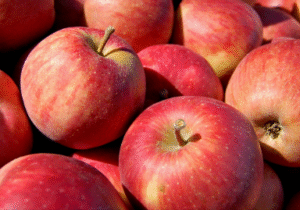
Apple season is in October. The well-known proverb “An apple a day keeps the doctor away” attests to the health benefits of apples. They are abundant in potassium, vitamin C, dietary fiber, and potent plant substances like flavonoids and quercetin. Apples help regulate weight, maintain a healthy heart, and facilitate easy digestion.
Apples are regarded as one of the greatest seasonal fruits in the healthy eating guide since they are portable, reasonably priced, and appropriate for all age groups. Students can consume apples as a quick snack during classes or examinations, while families can use them in salads, smoothies, or even baked sweets. Including apples in your monthly diet plan gives you sustained energy and lowers your risk of developing chronic illnesses.
In November, sweet potatoes

One of the greatest comfort foods for November is sweet potatoes. Beta-carotene (vitamin A), vitamin C, fiber, and potassium are all abundant in them. According to the Top 12 Seasonal Foods for Every Month of the Year, sweet potatoes are a hearty, filling dish that boosts immunity, facilitates better digestion, and gives you consistent energy.
Sweet potatoes can be prepared in soups, stews, or baked goods, and students can eat them roasted or boiled as a satisfying snack during study sessions. Sweet potatoes are a great addition to any balanced seasonal food list because they are inexpensive and nutritious, making them ideal for daily meals.
Winter (December – February)
Wintertime brings shorter days, colder temperatures, and a higher demand for meals that boost immunity, energy, and warmth. Winter meals are among the healthiest and most effective at preventing disease, according to the Top 12 Seasonal meals for Every Month of the Year. Vitamins, minerals, and antioxidants found in seasonal fruits and vegetables during this time of year help ward off colds, the flu, and exhaustion. Students and families can maintain their health and physical activity levels during the winter by including them into a seasonal food plan.
10. December oranges
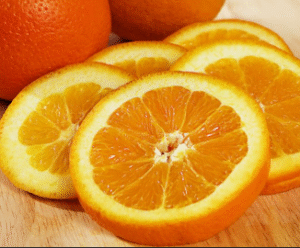
Oranges, which are high in potassium, fiber, folate, and vitamin C, are in season in December. Oranges boost skin health, boost the immune system, and keep you hydrated even in cold conditions, making them one of the greatest seasonal fruits.
According to the seasonal dietary recommendations, oranges are a great way to combat the common cold and flu. While families can enjoy oranges in fruit salads, smoothies, or even as fresh juice, students can enjoy orange juice or fresh slices as a pleasant snack while studying for exams. In order to prevent anemia, oranges also aid in the absorption of iron.
11. January Carrots

January is the ideal month for crunchy, fresh carrots. Beta-carotene (vitamin A), vitamin K, potassium, and antioxidants are all abundant in carrots. They strengthen immunity, promote skin radiance, and enhance eye health. Carrots are regarded as a wintertime superfood in the monthly nutrition plan since they give you energy and warmth.
Carrot juice can help students focus better while studying, or they can take raw carrots as a quick snack. For a nutritious seasonal diet, families can make soups, mixed vegetable meals, or carrot halwa. A balance between taste, affordability, and health is ensured when you incorporate carrots into your meals.
12. February cauliflower

Antioxidants, fiber, folate, vitamin C, and vitamin K are abundant in winter vegetables like cauliflower. It helps with body detoxification, strengthens bones, and improves digestion. Cauliflower is a fantastic option for families looking for affordable, nutrient-dense vegetables as well as for students who need energy and focus, according to the healthy eating guidelines.
Cauliflower can be used in curries, baked dishes, soups, and stir-fries. In the winter, it is one of the well-balanced seasonal foods that improves immunity and overall health. Including cauliflower in your seasonal diet is a smart way to stay energized and nourished all month long in February.
Seasonal Foods and Patient Health
The spring
The best fruit for heart patients is strawberries because they are high in vitamin C and antioxidants.
Spinach is good for those with anemia because it’s high in iron and folate.
Early mangoes → Ideal for people who are underweight (helps with healthy weight gain).
Summer
Best for kidney patients: watermelon (low calories and hydration).
Cucumber: Beneficial for diabetics due to its low glycemic index.
For students who require energy, mangoes are the best option (but limited for
diabetics).
Fall
Guava: Ideal for people with diabetes because it regulates blood sugar levels.
Apples are beneficial for heart patients because they lower cholesterol.
Sweet potatoes are the best for people with digestive issues because they are high in fiber.
winter
Vitamin C is enhanced by oranges, making them ideal for those with weakened immune systems.
Vitamin A-rich carrots are good for eye patients.
Cauliflower → Best for people with bone health (supports calcium and vitamin K).
Conclusion
Last but not least, the Top 12 Seasonal Foods for Every Month of the Year demonstrate how nature gives us the proper nourishment at the ideal moment. Seasonal eating is important for balance, affordability, and health in addition to taste and tradition. Unique fruits and vegetables that provide the body with vital vitamins, minerals, fiber, and antioxidants are brought in seasonally. Every food has a part to play in maintaining our health all year long, from the cool strawberries of spring to the juicy mangoes of summer, the nutrient-dense guavas of fall, and the immune-boosting oranges of winter.
Adhering to a seasonal dietary guide guarantees students more energy, concentration, and reasonably priced food selections that complement their everyday routine. A monthly nutrition plan provides families with freshness, diversity, and defense against common health problems including weariness, poor digestion, and low immunity. Eating in season is a sustainable option for long-term health because it is also good for the environment and helps local farmers.
Anyone may create a healthy, economical, and naturally flavorful diet by including these seasonal, well-balanced items into everyday meals. The easiest and most intelligent method to maintain your health throughout the year is to eat according to the seasons. Therefore, begin eating the Top 12 Seasonal Foods for Every Month of the Year right now if you desire a healthy lifestyle, a strong body, and a keen mind.


