Top 6 Mistakes in Gym Nutrition and How to Fix Them
Introduction
I’ve discovered as a Human Nutrition and Dietetics (HND) student that diet and exercise are inextricably linked. Many gym patrons think that completing vigorous exercises or lifting large weights by themselves will produce immediate benefits. But the reality is that even the most intense exercise sessions won’t provide the desired results if you don’t eat well. The body requires the right fuel before exercise and the right nutrients afterward for recuperation, thus diet is just as crucial for long-term health as workouts.
The most common problems I see with gym nutrition are related to scheduling meals, protein intake, hydration, and an over-reliance on supplements. Lack of high-protein meals, which are essential for both muscle growth and repair, is one of the most prevalent of these. Protein is the building block of muscles, and research has indicated that consuming a diet rich in protein aids in weight loss, muscle growth, and recovery. Unfortunately, many people ignore natural food sources and either completely avoid protein or just use supplements.
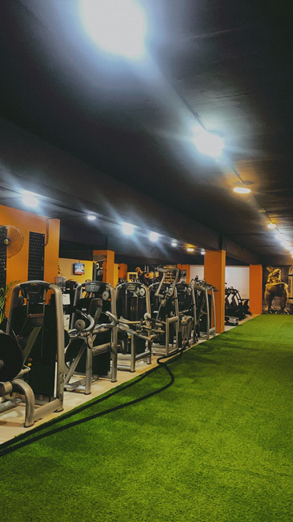
Small nutritional errors might result in significant setbacks to fitness objectives, both academically and practically. I frequently see gym-goers make the mistakes of skipping meals before working out, avoiding snacks after working out, or consuming excessive amounts of calories without moderation. When anticipated outcomes don’t materialize, these mistakes impair performance, delay muscle recovery, and may cause frustration.
I’ll go over the
Top 6 Gym Nutrition Mistakes and How to Correct Them in this post. Students, novices, and fitness enthusiasts who wish to comprehend the straightforward yet scientific function of nutrition in gym performance should read this handbook.
Beginners should concentrate on eating the correct nutrients in addition to avoiding these typical gym nutrition errors. Don’t miss our advice on the
Top 5 High-Protein Foods for Gym Beginners if you’re just beginning your fitness quest.
1 Mistake: Omitting the pre-workout meal

Skipping the meal before working out is one of the most frequent nutrition errors made at the gym. The idea that working out while empty-handed can increase fat burning or improve performance is a common misperception. When you go to the gym without the right nourishment, your body actually lacks the energy it needs to function at its peak. Your endurance declines, fatigue sets in more quickly, and you might not be able to lift weights or finish your workout efficiently as a result. The pre-workout meal is important for performance from the standpoint of Human Nutrition and Dietetics (HND). Proteins help muscles stay strong and prevent breakdown during activity, while carbohydrates give muscles fast energy.
The body may begin metabolizing muscle tissue for energy in the absence of these nutrients, which is totally counterproductive to the purpose of strength training and muscular growth.
Lack of focus is another disadvantage of skipping a pre-workout breakfast. Feeling lightheaded, weak, or distracted due to low blood sugar can impair performance and raise the risk of injury. For gym-goers, maintaining energy levels, enhancing concentration, and avoiding weariness during workouts are all important aspects of nutrition in addition to muscle growth.
Remedy: Consume a Well-Balanced Meal Before Exercise
The answer is straightforward: prepare a healthy, protein-and carbohydrate-rich pre-workout meal. Protein will shield your muscles from damage and get them ready for recovery after training, while carbohydrates will energize you to push through hard sets. Additionally, by keeping blood sugar levels stable, this combination keeps you feeling awake and active during your workout.
A few instances of healthy pre-workout snacks are:
A peanut butter-covered banana
A cooked egg and milky oats
Fruit-topped Greek yogurt
Scrambled eggs and whole-grain toast
A protein powder scoop combined with milk and fruit to make a smoothie
Since big meals might make it uncomfortable to exercise, as an HND student, I advise eating small, easily digestible meals. Your pre-workout meal should ideally be had 60 to 90 minutes before going to the gym. A quick snack, such as yogurt or a banana, half an hour before your exercise, might also be helpful if you are pressed for time.
You will experience increased vitality, sharper attention, and more productive training sessions if you correct this error.
2 Mistake: Neglecting Post-Workout Nutrition

Ignoring the value of a healthy post-workout meal is another typical error in gym nutrition. Many people either entirely miss their meal after working out or put off eating for several hours because they think that finishing their workout is sufficient. In addition to decreasing strength increases and slowing down muscle recovery, this technique may also raise the risk of injury or weariness.
Your muscle fibers tear into microscopic tears when you exercise, particularly when you’re strength training. For muscles to become healthier and stronger, they must be fixed as soon as possible. At the same time, your body uses the energy from carbs, known as stored glycogen, which is exhausted after a demanding workout.
Your body finds it difficult to repair muscle and replenish energy stores if you don’t eat right after working out, which has a direct impact on your progress.
Post-workout nutrition is seen by HND students as one of the most crucial meals of the day. This is the “anabolic window,” a time when your muscles are most responsive to nutrition. It is crucial to eat a mix of carbohydrates and protein throughout this interval. Carbohydrates aid in recovery by restoring glycogen levels, while protein supplies amino acids for muscle repair. In the absence of this equilibrium, tiredness rises, muscle soreness persists longer, and performance in the subsequent session is diminished.
Fix: Have a Post-Workout Meal, High Protein, and Carbohydrates
You should never skip your post-workout meal in order to correct this error. For best results, it should be consumed 30 to 60 minutes after working out. A healthy amount of protein for muscle repair and carbs for energy recovery should be included in this meal.
Effective post-workout food examples include:
Brown rice, veggies, and grilled chicken
A banana in a whey protein shake
Sweet potatoes and fish
Whole-grain bread with eggs
Greek yogurt with almonds and fruits on top
A simple high-protein snack, such as a protein bar, boiled egg, or milk with dates, can have a significant impact, even if you are pressed for time. Drinking enough water or adding an electrolyte drink helps hasten the recovery process after an exercise, which should also include hydration.
Gym-goers can achieve long-term success toward their fitness objectives, faster muscle recovery, less discomfort, and increased strength by regularly including a healthy post-workout diet plan.
3 Mistake: Insufficient Consumption of Protein

Not eating enough protein each day is one of the major blunders made by many gym-goers. Many people believe that only lifting weights at the gym will result in muscle growth. However, the body is unable to efficiently repair and develop muscle tissue if adequate nutrients are not consumed, particularly protein.
Muscle fibers rip slightly during exercise, particularly strength training. Protein amino acids are necessary for these to recover and grow stronger. Low protein consumption slows down muscle healing, limits growth, and even results in muscle loss rather than muscular gain. Protein is frequently referred to be the “building block” of muscles for this reason.
From the standpoint of an HND student, it is scientifically established that athletes and gym-goers must adhere to a high-protein diet. In addition to promoting muscle building, protein increases metabolism, aids in fat loss, and prolongs feelings of fullness. One of the most vital nutrients for general health and fitness is lost when protein-rich meals are skipped.
Ignoring naturally occurring meals strong in protein and depending solely on supplements is another prevalent problem. Real food sources offer extra nutrients like vitamins, minerals, and healthy fats that supplements cannot completely replace, even if protein drinks and powders can be beneficial.
Solution: Include Protein in All Meals
Making sure that every meal has a sufficient amount of protein is the greatest method to prevent this error. Experts advise energetic people and gym-goers to consume 1.6–2.2 grams of protein per kilogram of body weight every day. The body gets enough amino acids from this amount of consumption to help muscles grow and repair themselves after exercise.
You can incorporate foods high in protein in your meals, such as:
Whole and white eggs
Lean beef and chicken breast
Fish like tuna and salmon
Cottage cheese, Greek yogurt, and milk
Plant-based substitutes such as lentils, chickpeas, and beans
Seeds and nuts for added nourishment
4 Mistake: Eating Too Many or Too Few Calories

Mismanagement of calorie intake is another typical error when it comes to gym nutrition. In an attempt to lose fat as soon as possible, many people either eat considerably more calories than they actually need or eat too little. Both extremes have the potential to hinder development and impair performance.
Instead of building lean muscle, ingesting too many calories frequently results in unintended fat gain. For instance, a person who thinks that “more food equals more muscle” might consume a lot of processed, unhealthy, or high-fat foods. This makes it more difficult to stay lean and fit by increasing body fat percentage rather than promoting muscular growth.
Conversely, eating too few calories might also be detrimental. To lose weight quickly, some gym-goers substantially reduce their calorie intake. Low energy, muscle loss, subpar workout performance, and even nutritional deficits can result from this strategy. The body struggles at the gym and doesn’t recover well afterward if it doesn’t have enough nourishment.
Calorie balance is equally as significant from an HND standpoint as protein intake. Whether the goal is to retain strength and endurance, lose fat, or grow muscle, an individual’s energy intake and expenditure must match their fitness objectives.
Solution: Align Your Calories with Your Exercise Objectives
Eating in accordance with your body’s true requirements is crucial to correcting this error. Finding your daily energy needs based on your physical activity and Basal Metabolic Rate (BMR) is the first step. Depending on whether your objective is to maintain your present weight, lose fat, or grow muscle, this helps you determine how many calories you should consume.
Add a little daily calorie surplus of 200–300 for muscle gain, emphasizing meals high in protein and healthful foods.
For fat loss: Maintain adequate protein to preserve muscular mass while establishing a moderate daily calorie deficit of 300–500.
For maintenance, make sure your energy expenditure and calorie intake are equivalent.
Beneficial tactics consist of:
using a calorie-tracking software and keeping an eye on portion sizes.
selecting nutrient-dense foods, including fruits, vegetables, whole grains, lean meats, and healthy fats.
avoiding manufactured and junk food, which is high in calories but low in nutrients.
distributing meals evenly throughout the day in order to keep energy levels up and avoid overindulging later.
Gym patrons can make consistent improvement, prevent excessive fat gain, and preserve greater strength and endurance by matching their calorie intake with their individual fitness goals.
5 Mistake: Relying too heavily on supplements

One of the most frequent gym dietary errors in today’s fitness culture is relying too much on supplements. A common misconception among gym-goers is that using pre-workout drinks, protein powders, or fat burners alone will produce immediate benefits. Although supplements have their uses, it is not a sustainable or healthful strategy to rely solely on them for nourishment.
As far as an HND student is concerned, supplements are meant to enrich the diet, not to take the place of actual food. Nutrients, including vitamins, minerals, fiber, and healthy fats, are all found in whole foods, which are not entirely available in powders or pills.
A whey protein drink, for instance, might provide you with protein, but it is deficient in other vital nutrients that are present in naturally high-protein foods like lentils, eggs, poultry, and fish.
Another problem is that using supplements incorrectly or excessively might be dangerous. Excessive pre-workout stimulant consumption might lead to sleep issues, dehydration, or elevated heart rate. In a similar vein, taking protein powders excessively without balancing them with complete foods might cause digestive problems and needless kidney strain.
Supplement marketing frequently raises irrational expectations by suggesting that they are quick fixes for fat loss or muscle growth. In actuality, a balanced diet—not supplements or powders—is always the cornerstone of fitness advancement.
Fix: Give Whole Foods Priority and Use Supplements Caution
Treating supplements as optional rather than necessary is the answer. Use supplements solely to cover minor dietary gaps and begin by establishing a solid foundation of whole foods.
Among the useful recommendations are:
Your primary protein sources should be foods high in protein, such as dairy, eggs, lean meats, fish, and beans.
If you can’t obtain enough protein from food each day, use a protein powder.
Only if a physician recommends it should you take creatine, omega-3, or a multivitamin.
Steer clear of fat burners and pointless pills that have no proven advantages.
Mistake 6: Poor Hydration

Many gym-goers place a lot of emphasis on macronutrients like protein, carbohydrates, and fats, but neglect to consider water, which is one of the body’s most fundamental needs. One crucial error that can have a detrimental effect on performance and recuperation is neglecting to drink enough water.
Sweating causes the body to lose a large amount of water and electrolytes when exercising. Dehydration results from not replacing this fluid, and it causes low energy, poor endurance, cramping in the muscles, lightheadedness, and a slower rate of recovery.
Another mistake is to rely solely on thirst as a cue to drink water, as thirst typically signifies that the body is already dehydrated. It’s also a bad idea to substitute sugary sodas or high-caffeine energy drinks for water because they can exacerbate dehydration and add extra calories. In the end, even while eating a high-protein diet, dehydration hinders the body’s ability to use nutrients and decreases workout efficiency.
Fix: Make Drinking Water a Daily Priority
Making being hydrated a regular part of your day, rather than an afterthought, is the easiest method to deal with this error.
Depending on the intensity of your workout, how much you perspire, and the weather, try to consume 2.5 to 3 liters of water each day.
To replenish sodium and potassium during extended or intense training sessions, choose electrolyte-rich options like coconut water or low-sugar sports beverages.
Carry a reusable bottle with you to promote frequent sipping throughout the day, and start your day with a glass of water.
Reduce your intake of energy drinks and sugary sodas as they don’t supply much hydration and can hinder your recuperation.
Pale yellow urine typically indicates enough hydration, making it a useful way to monitor hydration.
Conclusion
Small errors like skipping pre-workout meals, overeating after training, forgetting protein, relying too heavily on supplements, avoiding carbohydrates, or neglecting water can significantly impede your development when it comes to gym diet. A well-rounded diet that contains the proper quantity of electrolytes, calories, and particularly high-protein foods can have a significant impact.
In addition to providing energy for your activities, a diet high in nutrients, adequate water consumption, and sensible portion control promotes muscle regeneration, endurance, and recovery. Keep in mind that developing a strong physique involves more than simply lifting weights; it also involves integrating training with a healthy diet plan that will provide long-term benefits. A solid diet in the gym is the cornerstone of steady improvement.
Focus on balance in addition to regular exercise: high-protein diets for muscle growth, water for hydration, and carbohydrates for energy. Better strength, recuperation, and long-lasting fitness gains can be achieved by avoiding common blunders and adhering to wise dietary practices.


