7 Desi Foods for Weight Loss and Disease Control

Introduction
More people than ever before are battling heart issues, diabetes, and obesity in today’s world. To treat these illnesses, we typically turn to pricey supplements or Western diets. However, the truth is that the meals we eat for weight loss are already rich in nutrients that can support our continued health. In addition to being reasonably priced, traditional Indian and Pakistani dishes like lassi, bajra roti, saag, and dal are high in fiber, protein, and other nutrients.
As a student of nutrition, I think that diet is a major factor in managing illness. Because our local foods are adapted to the environment, culture, and dietary requirements, they are perfect for long-term health.
For instance, mustard greens and turmeric guard against inflammation and heart disease, while moong dal and chickpeas offer protein and fiber that aid in weight loss.
Ten Desi foods that you can easily incorporate into your everyday meals to help control weight and disease are highlighted in this article. You may combat obesity, manage diabetes, enhance digestion, and lead a healthy lifestyle—all without breaking the bank—by selecting these traditional meals.
1. Brown rice, often known as Desi Chawal

Brown rice (desi chawal) is one of the most underappreciated yet effective solutions when it comes to desi meals for weight loss. Brown rice is unpolished and still contains its bran layer, which is rich in nutritional fiber, minerals, and antioxidants, in contrast to the ordinary white rice we eat every day. For those attempting to control chronic conditions like diabetes and heart issues or reduce weight, this makes it a far healthier option. The Benefits of Brown Rice Over White Rice
Since white rice is refined, the majority of its fiber and vital nutrients are lost during processing. Brown rice, on the other hand, is a whole grain that releases energy gradually, digests slowly, and provides hours of satisfaction.
Brown Rice’s Nutritional Profile
About 150 grams, or one cup, of cooked brown rice has the following ingredients:
About 215 calories
45 g of complex carbohydrates (not refined)
5 g of protein
3.5 g of fiber
Antioxidants, B vitamins, phosphorus, and magnesium
This nutritional profile demonstrates why brown rice is regarded as one of the best desi meals for managing diabetes and losing weight.
Brown Rice’s Health Benefits
1. Loss of Weight and Control of Obesity
Brown rice’s fiber improves satiety, or the sensation of fullness, which helps people avoid overindulging.
The best rice for weight loss is brown rice since it provides energy while consuming fewer calories overall.
2. Control of Diabetes
Because white rice has a high glycemic index (GI), blood sugar levels rise rapidly.
Because of its low glycemic index, brown rice is perfect for diabetics because it releases glucose into the bloodstream gradually.
3. Heart-Healthy
Antioxidants and magnesium, which are abundant in brown rice, reduce cholesterol and guard against heart disease.
Healthy fat intake can be decreased by substituting brown rice-based dishes for fried ones.
4. Improved Digestion
Constipation is avoided and gut health is supported by brown rice’s fiber.
Weight management is indirectly aided by a healthy gut since it increases metabolism.
How Your Desi Diet Can Include Brown Rice
In everyday dishes like pulao, curry, or khichdi, swap out white rice with brown rice.
For a well-rounded dinner, serve it with vegetables, grilled chicken or fish, or dal (lentils).
One cup of cooked brown rice is sufficient for one meal, so practice portion control.
Use mild spices for taste instead of a lot of oil or ghee.
Quick Desi Recipe Idea: Khichdi with Brown Rice
Cook half a cup of moong dal and half a cup of brown rice.
Add cumin (zeera), turmeric (haldi), and a dash of salt.
Serve with yogurt after cooking until tender.
This dish is ideal for weight loss because it is low in fat and high in protein.
2. Dal, or lentils

Dal, or lentils, is one of the most popular and reasonably priced desi foods for weight loss. They are a staple in our everyday meals. Almost every Desi kitchen includes lentils, whether it’s in the form of spicy dal fry or basic dal chawal. In addition to being delicious, they are a superfood for managing diseases and losing weight since they are high in protein, fiber, iron, and other vitamins.
The Benefits of Lentils for Losing Weight
Lentils are naturally high in protein and low in fat. Because of this special mix, they are a great alternative to red meat while following a diet plan to lose weight. Lentils’ high fiber content inhibits overeating, stabilizes blood sugar levels, and slows down digestion.
Lentils’ nutritional profile (1 cup cooked dal ~200g)
Approximately 230 calories
18 grams of plant-based protein
40 g of carbohydrates
15 grams of fiber
B vitamins, iron, folate, magnesium, and zinc
This demonstrates that lentils are a nutrient-dense Desi food that helps prevent nutrient deficits and aids in weight management.
Lentils’ Health Benefits (Dal)
1. Loss of Weight and Control of Obesity
Longer satiety (feeling full for hours) is associated with high fiber intake.
Because they offer energy without adding extra calories, lentils are the perfect food for weight loss.
2. Management of Diabetes
Blood sugar spikes can be prevented with a low glycemic index (GI) diet.
For diabetics, it is a preferred diet since it increases insulin sensitivity.
3. Heart-Health
Lentils’ soluble fiber reduces LDL cholesterol.
Blood pressure is lowered when potassium levels are high.
4. Anemia and Increased Vitality
Lentils help prevent anemia since they are a natural source of iron and folate.
Great for workers and students who need energy without overindulging in food.
5. Gut Health
Lentils help with digestion and relieve constipation.
They indirectly aid in weight loss by maintaining the health of the gut bacteria.
How a Desi Diet Can Utilize Lentils
Simple Dal Chawal: For a filling supper, combine brown rice and boiling lentils.
Dal Soup: Ideal for weight loss regimens, it’s filling and light.
Dal Paratha: Make stuffed parathas by combining dal and whole wheat flour (add a little oil).
Sprouted Lentils: For a high-protein snack, eat sprouted moong dal salad with lemon and onions.
Moong Dal Soup is a quick Desi recipe.
Bring ½ cup of moong dal to a boil with ginger and turmeric.
Add cumin, salt, and black pepper.
For a smooth texture, blend a little.
A light, high-protein soup that is great for managing diabetes and losing weight.
3. Chana, or chickpeas

Chickpeas, or chana, are one of the most effective and adaptable options when it comes to desi foods for weight loss. They are commonly eaten in Pakistan and India in a variety of ways, such as curried food, boiled chana chaat, or roasted chana. Chickpeas are great for managing diseases and losing weight since they are naturally high in fiber, plant-based protein, vitamins, and minerals.
The Significance of Chickpeas in Losing Weight
Chickpeas’ high fiber content slows down digestion and prolongs feelings of fullness. This lowers daily caloric consumption and stops needless munching. Chickpeas also include plant protein, which promotes fat metabolism and muscle health.
Chickpeas’ nutritional profile (1 cup cooked, approximately 150g)
Approximately 270 calories
14 g of protein
45 g of carbohydrates
12 g of fiber
Iron, magnesium, zinc, potassium, and folate
Chickpeas are therefore among the most nutrient-dense Desi meals for controlling weight.
Benefits of Chickpeas (Chana) for Health
1. Loss of Weight and Contentment
A high soluble fiber content helps you feel full and avoid overeating.
For people who have a snack craving, chickpeas are the ideal weight-loss food.
2. Management of Diabetes
A low glycemic index means that sugar is released gradually, avoiding spikes.
aids in controlling blood sugar over the long run.
3. Heart Health
Chickpeas increase HDL, or good cholesterol, and lower LDL cholesterol.
Magnesium-rich food promotes normal blood pressure.
4. Power of Proteins
gives vegans plant-based protein.
aids in muscle recovery while losing weight.
5. Digestive Health
Constipation is avoided, and gut health is enhanced by fiber.
Controlling weight requires a healthy digestive system.
How a Desi Diet Can Utilize Chickpeas
A crispy, healthful alternative to chips is roasted chana.
Add the lemon, cucumber, tomatoes, and onions to the boiled chana chaat.
Use less oil and mild spices when cooking chana curry.
Add the sprouts, fresh vegetables, and olive oil to the chana salad.
Quick Desi Recipe Suggestion: Chaat Chana
Cook 1 cup of chickpeas until they are tender.
Add the cucumber, green chile, tomato, and chopped onion.
Add cumin powder, lemon juice, and black salt.
4. Pearl millet bread, or bajra roti
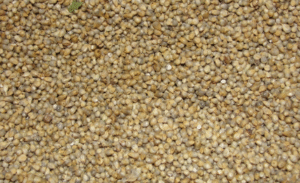
Bajra roti, or pearl millet bread, has been a staple of our traditional Desi diet for decades, particularly in rural areas. It is one of the best Desi meals for controlling disease and losing weight, in addition to being a staple in rural communities. Bajra is a whole grain that is far healthier than white bread or refined wheat flour since it is high in fiber, protein, iron, magnesium, and antioxidants.
The Benefits of Bajra Roti for Losing Weight
Bajra roti releases energy and digests more slowly than ordinary wheat roti or even refined flour (maida). This lessens hunger cravings, delays blood sugar surges, and prolongs feelings of fullness.
Bajra’s nutritional profile (100 g flour)
About 360 calories
12 g of protein
67 g of complex carbohydrates
8 g of fiber
B vitamins, calcium, magnesium, potassium, and iron
Because of this, bajra roti is among the foods in a Desi diet plan that are highest in nutrients.
Benefits of Bajra Roti for Health
Loss of Weight and Control of Obesity
High fiber → keeps you from overindulging.
Low glycemic index → regulates fat accumulation and appetite.
Management of Diabetes
Bajra stabilizes blood sugar, making it a diabetic-friendly Desi meal.
For diabetic people, it is more effective than wheat or white rice.
Heart Health
Elevated levels of potassium and magnesium lower blood pressure.
Fiber decreases cholesterol and improves circulation.
Bone and muscle strength
Bajra contains calcium and phosphorus, which help bone health.
Protein supports muscles during weight loss.
Better Absorption
Fiber encourages improved bowel motions and helps prevent constipation.
promotes digestive health, which aids in weight management overall.
A Guide to Including Bajra Roti in a Desi Diet
Replace the wheat roti with the bajra roti two or three times a week.
Serve it with saag, dal, or a light vegetable curry for a complete meal.
Eat it for dinner instead of heavy rice dinners for improved digestion.
5. Saag (mustard greens)

One of the most effective vegetables when discussing traditional Desi foods for weight management is mustard greens, or saag. Saag is not only a seasonal favorite in Desi culture, but it is also a complete, nutrient-dense Desi cuisine that aids in disease prevention and weight loss.
What Makes Saag an Excellent Food for Losing Weight
High in fiber, vitamins, and minerals, mustard greens are incredibly low in calories. Although cooked saag has fewer than 40 calories per cup, it is a good source of calcium, iron, folate, vitamin A, vitamin C, and vitamin K.
The nutritional value of mustard greens, or saag
About 30 calories per cup (cooked)
A high fiber content helps with digestion and prolongs feelings of fullness.
Antioxidants and vitamin C improve immunity and lower inflammation.
Calcium and vitamin K help to maintain healthy bones and joints.
Healthy blood and energy levels are supported by iron and folate.
Benefits of Saag for Health
1. Management of Obesity and Weight Loss
Saag is regarded as one of the best desi meals for weight loss because it is high in fiber and low in calories. Its filling qualities help people avoid overeating and frequent hunger.
2. Management of Diabetes
Naturally, saag aids in blood sugar regulation. It enhances health outcomes when added to a Desi diet plan for weight loss and diabetes.
3. Protection of the Heart
Saag’s potassium and fiber help to maintain heart health by lowering blood pressure and cholesterol.
4. Organic Detox
Rich in antioxidants, saag promotes liver health and aids in the body’s detoxification.
5. Support for the Immune System
This traditional Desi food’s iron, vitamin C, and folate content boost immunity.
How to Add Saag to a Diet to Lose Weight
To make sarson ka saag lighter, prepare it with little oil or ghee.
Serve it with bajra roti rather than bread made with refined flour.
For added taste and nutrition, add spices like garlic, ginger, and green chile.
If losing weight is your primary goal, avoid heavy toppings like butter.
The Significance of Saag in Desi Diet Plans
Saag is a potent Desi meal for disease prevention and weight management, and it’s not simply a wintertime favorite. It is affordable, readily available in local markets, and provides vital nutrients that contemporary fast food does not.
6. The Desi Yogurt Drink, or Lassi

One of the most traditional and refreshing Desi dishes is lassi, which helps with digestion and general well-being in addition to cooling the stomach. A natural probiotic beverage that supports intestinal health, lassi is made from yogurt (dahi), water, and occasionally spices. Better digestion, increased metabolism, and more successful weight reduction outcomes are all associated with gut health.
In terms of nutrition, lassi is high in vitamin B12, calcium, potassium, and protein. Yogurt’s probiotics enhance the balance of intestinal flora, which is crucial for promoting fat burning and minimizing bloating.
Because of this, lassi is the perfect beverage for people who wish to lose weight naturally without sacrificing their love of traditional Desi flavors.
Lassi Health Benefits:
Digestion & Weight Loss: Lassi helps with nutrient absorption, bloating reduction, and constipation prevention, all of which promote healthy weight loss.
Diabetes Management: People with diabetes who wish to follow a desi food diet plan can benefit from unsweetened lassi because of its reduced glycemic load.
Hydration & Energy: Without adding more calories, lassi acts as a natural hydrating energy boost, particularly in hotter climes.
Bone & Muscle Strength: Rich in calcium and protein, lassi helps to maintain a healthy physique by strengthening bones and muscles.
How to Use It to Lose Weight:
Drink unsweetened lassi at all times, or add a tiny pinch of natural spices like mint or cumin.
Steer clear of adding too much milk or sugar because this adds calories.
Drink lassi at lunch or in between meals to feel full, energized, and light.
For best effects, combine it with other weight-loss-promoting Desi meals like brown rice or bajra roti.
Lassi demonstrates that delectable and healthful desi cuisine is possible.
By including lassi in your daily diet, you can naturally promote long-term weight loss and disease management in addition to enjoying a refreshing traditional beverage.
7. Machhli fish
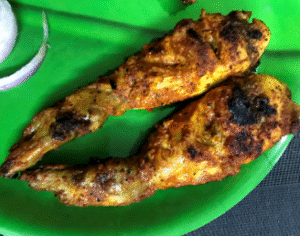
In many parts of South Asia, particularly in the winter, fish is a popular desi meal and one of the healthiest sources of protein. Fish is a great option for managing diseases and losing weight since it contains vital nutrients, whether it is baked, grilled, or cooked in a mild curry.
In terms of nutrition, fish is a great source of lean protein, which promotes fat burning and muscular growth. Omega-3 fatty acids, which lower inflammation, strengthen the heart, and enhance brain function, are also abundant in it.
Benefits of Fish for Health (Machhli)
Loss of Weight and Burning of Fat
Rich in lean protein, fish helps the body burn calories more efficiently and increases metabolism. It is regarded as one of the greatest Desi meals for weight loss since it prolongs feelings of fullness and decreases overeating.
Heart Health and Diabetes
Fish’s omega-3 fatty acids are essential for decreasing bad cholesterol, preventing heart disease, and regulating blood sugar levels.
Brain Function and Immunity
Regular consumption of fish strengthens the immune system and improves memory. Since it enhances focus and general brain function, it is a great desi food for students.
How to Reduce Weight by Eating Fish
To cut calories, opt for baked, steamed, or grilled fish rather than fried ones.
For better health outcomes and efficient weight loss, include fish in your Desi diet plan at least two to three times per week.
Instead of using thick gravies, cook fish using natural, mild spices like cumin, turmeric, and garlic.
For a healthy and well-balanced desi meal that aids in weight loss, pair fish with brown rice or multigrain roti.
Conclusion
- Simple, inexpensive, and incredibly efficient for managing illness and losing weight are Desi foods such as brown rice, lentils, yogurt, almonds, saag, bajra roti, and fish. They promote heart health, control blood sugar, enhance digestion, and prolong feelings of fullness.
You can lose weight naturally while maintaining your health and vitality by choosing these traditional Desi foods over processed diets.


