


Top 10 Best Foods for Heart Health
Introduction
1. Fatty fish, such as sardines, mackerel, and salmon
 Because fatty fish are naturally high in omega-3 fatty acids, especially EPA (eicosapentaenoic acid) and DHA (docosahexaenoic acid), they are regarded as one of the most effective foods for preserving heart health. These long-chain omega-3s are essential for lowering the risk of arrhythmias (irregular heartbeats) by promoting optimum electrical communication in the heart muscle, decreasing systemic inflammation, and increasing blood vessel flexibility.
2. Oats and Whole Grains
 Since oats and other whole grains are naturally high in dietary fiber, especially soluble fiber in the form of beta-glucan, they are essential components of a heart-healthy diet. By attaching to LDL (“bad”) cholesterol in the digestive system and assisting the body in eliminating it before it enters the bloodstream, this kind of fiber is essential for lowering blood levels of the cholesterol. The risk of atherosclerosis, heart attack, and stroke is directly decreased when cholesterol levels are lower because less plaque forms in the arteries.
In addition to providing fiber, whole grains including brown rice, quinoa, barley, bulgur, and whole wheat products also contain vital minerals like potassium, magnesium, antioxidants, and plant chemicals that promote vascular health and lower blood pressure.
During digestion, their complex carbohydrates break down gradually to prevent harmful glucose spikes that could eventually damage blood vessels and to maintain stable blood sugar levels.
Oats can be included in a diet in a variety of forms, including traditional oatmeal, overnight oats, smoothies, granola, and even baking. Only 3 grams of soluble fiber from oats per day has been shown in multiple trials to improve lipid profiles overall and significantly lower LDL cholesterol.Additionally, switching to whole grains from refined grains has been associated with better weight control, reduced inflammation, and enhanced endothelial function—the condition of the blood vessel’s inner lining—all of which support a stronger, healthier heart. You are consistently supporting your cardiovascular system for long-term health and vigor by incorporating whole grains and oats into your daily routine.
Since oats and other whole grains are naturally high in dietary fiber, especially soluble fiber in the form of beta-glucan, they are essential components of a heart-healthy diet. By attaching to LDL (“bad”) cholesterol in the digestive system and assisting the body in eliminating it before it enters the bloodstream, this kind of fiber is essential for lowering blood levels of the cholesterol. The risk of atherosclerosis, heart attack, and stroke is directly decreased when cholesterol levels are lower because less plaque forms in the arteries.
In addition to providing fiber, whole grains including brown rice, quinoa, barley, bulgur, and whole wheat products also contain vital minerals like potassium, magnesium, antioxidants, and plant chemicals that promote vascular health and lower blood pressure.
During digestion, their complex carbohydrates break down gradually to prevent harmful glucose spikes that could eventually damage blood vessels and to maintain stable blood sugar levels.
Oats can be included in a diet in a variety of forms, including traditional oatmeal, overnight oats, smoothies, granola, and even baking. Only 3 grams of soluble fiber from oats per day has been shown in multiple trials to improve lipid profiles overall and significantly lower LDL cholesterol.Additionally, switching to whole grains from refined grains has been associated with better weight control, reduced inflammation, and enhanced endothelial function—the condition of the blood vessel’s inner lining—all of which support a stronger, healthier heart. You are consistently supporting your cardiovascular system for long-term health and vigor by incorporating whole grains and oats into your daily routine.
3. Berries (strawberries, raspberries, and blueberries)
 Berries are considered to be among the heart-healthiest foods because of their high antioxidant, vitamin, mineral, and dietary fiber content. Despite having few calories, they are rich in plant chemicals such as flavonoids, polyphenols, and anthocyanins that lower inflammation and oxidative stress, protecting the heart.
Berries can help decrease blood pressure, improve blood vessel function, and improve cholesterol profiles. Their high fiber content indirectly promotes heart health by assisting in blood sugar regulation and proper digestion.
Nutrients and calories per 100g (approximate):
Blueberries: about 57 kcal.
9.7 milligrams of vitamin C
2.4 g of fiber
77 milligrams of potassium
0.3 milligrams of manganese
Antioxidants: flavonoids and anthocyanins
Strawberries: about 32 calories
58.8 mg of vitamin C
2 g of fiber
153 milligrams of potassium
24 mcg of folate
Antioxidants: anthocyanins and ellagic acid
52 kcal for raspberries
26.2 mg of vitamin C
6.5 g of fiber
151 milligrams of potassium
22 mg of magnesium
Quercetin and ellagitannins are antioxidants.
How They Benefit the Heart
Cut down on LDL (or “bad”) cholesterol
Avoid arterial stiffness
Increase the flow of blood
Prevent the accumulation of plaque in the arteries
The Best Methods for Eating:
Incorporate fresh berries into oatmeal or yogurt.
Add them to smoothies.
Sprinkle over salads for a sweet, nutritious twist.
Berries are considered to be among the heart-healthiest foods because of their high antioxidant, vitamin, mineral, and dietary fiber content. Despite having few calories, they are rich in plant chemicals such as flavonoids, polyphenols, and anthocyanins that lower inflammation and oxidative stress, protecting the heart.
Berries can help decrease blood pressure, improve blood vessel function, and improve cholesterol profiles. Their high fiber content indirectly promotes heart health by assisting in blood sugar regulation and proper digestion.
Nutrients and calories per 100g (approximate):
Blueberries: about 57 kcal.
9.7 milligrams of vitamin C
2.4 g of fiber
77 milligrams of potassium
0.3 milligrams of manganese
Antioxidants: flavonoids and anthocyanins
Strawberries: about 32 calories
58.8 mg of vitamin C
2 g of fiber
153 milligrams of potassium
24 mcg of folate
Antioxidants: anthocyanins and ellagic acid
52 kcal for raspberries
26.2 mg of vitamin C
6.5 g of fiber
151 milligrams of potassium
22 mg of magnesium
Quercetin and ellagitannins are antioxidants.
How They Benefit the Heart
Cut down on LDL (or “bad”) cholesterol
Avoid arterial stiffness
Increase the flow of blood
Prevent the accumulation of plaque in the arteries
The Best Methods for Eating:
Incorporate fresh berries into oatmeal or yogurt.
Add them to smoothies.
Sprinkle over salads for a sweet, nutritious twist.
4. Nuts (walnuts, pistachios, and almonds)
 For improved heart health, one of the most nutrient-dense snacks you can include in your diet is nuts. Together, their abundance of fiber, protein, healthy fats, vitamins, and minerals lowers the risk of cardiovascular disease. Increased HDL (good cholesterol), decreased inflammation, enhanced blood vessel function, and decreased LDL (bad cholesterol) have all been associated with regular nut consumption. Antioxidants, which shield your cells from oxidative damage and inflammation—two main causes of heart disease—are also abundant in nuts.
Also read: Top 10 Best iron-rich foods
1. Almonds
Approximately 164 kcal for 28g or 1 ounce.
Important Nutrients:
Monounsaturated fats are the major type of healthy fat.
Six grams of protein
3.5g of fiber
Vitamin E (37% DV)
19% DV of magnesium
Almonds include antioxidants that boost cardiovascular health overall, lower cholesterol, and maintain normal blood pressure. They shield arteries from oxidative stress because of their high vitamin E concentration.
2. Nuts
Approximately 185 kcal for 28g or 1 ounce.
Important Nutrients:
Alpha-linolenic acid, or omega-3 fatty acids,
4g of protein
Fiber (2g)
50% DV of copper
Manganese (42% DV)
B6 (8% DV)
The plant-based omega-3s found in walnuts are especially advantageous because they lower inflammation, increase arterial flexibility, and promote a normal heartbeat.
3. Nuts and seeds
About 159 kcal per 28g or 1 ounce
Essential Nutrients:
Good fats (mostly polyunsaturated and monounsaturated)
6g of protein
3g of fiber
B6 (28% DV)
Potassium (8% DV)
antioxidants (lutein, zeaxanthin) Pistachios support healthy blood sugar regulation, endothelial function (blood vessel lining), and a reduction in LDL cholesterol.
Heart Health Tip: Eat a small handful of mixed nuts (approximately 28g) every day for optimal benefits. Avoid varieties that are salted or sugar-coated because too much added sugar and sodium can be bad for your heart.
For improved heart health, one of the most nutrient-dense snacks you can include in your diet is nuts. Together, their abundance of fiber, protein, healthy fats, vitamins, and minerals lowers the risk of cardiovascular disease. Increased HDL (good cholesterol), decreased inflammation, enhanced blood vessel function, and decreased LDL (bad cholesterol) have all been associated with regular nut consumption. Antioxidants, which shield your cells from oxidative damage and inflammation—two main causes of heart disease—are also abundant in nuts.
Also read: Top 10 Best iron-rich foods
1. Almonds
Approximately 164 kcal for 28g or 1 ounce.
Important Nutrients:
Monounsaturated fats are the major type of healthy fat.
Six grams of protein
3.5g of fiber
Vitamin E (37% DV)
19% DV of magnesium
Almonds include antioxidants that boost cardiovascular health overall, lower cholesterol, and maintain normal blood pressure. They shield arteries from oxidative stress because of their high vitamin E concentration.
2. Nuts
Approximately 185 kcal for 28g or 1 ounce.
Important Nutrients:
Alpha-linolenic acid, or omega-3 fatty acids,
4g of protein
Fiber (2g)
50% DV of copper
Manganese (42% DV)
B6 (8% DV)
The plant-based omega-3s found in walnuts are especially advantageous because they lower inflammation, increase arterial flexibility, and promote a normal heartbeat.
3. Nuts and seeds
About 159 kcal per 28g or 1 ounce
Essential Nutrients:
Good fats (mostly polyunsaturated and monounsaturated)
6g of protein
3g of fiber
B6 (28% DV)
Potassium (8% DV)
antioxidants (lutein, zeaxanthin) Pistachios support healthy blood sugar regulation, endothelial function (blood vessel lining), and a reduction in LDL cholesterol.
Heart Health Tip: Eat a small handful of mixed nuts (approximately 28g) every day for optimal benefits. Avoid varieties that are salted or sugar-coated because too much added sugar and sodium can be bad for your heart.
5. Leafy Greens: Swiss Chard, Kale, and Spinach
 Considered to be among the planet’s most nutrient-dense foods, leafy greens like spinach, kale, and Swiss chard are particularly good for heart health. Although these vegetables are inherently low in calories, they are incredibly high in vitamins, minerals, fiber, and antioxidants, all of which help to protect your heart.
Vitamin K, one of their most essential minerals, is essential for normal blood coagulation and helps keep calcium from building up in the arteries, which can cause heart disease.
They also include significant levels of vitamins A and C, which are potent antioxidants that lower blood vessel inflammation and shield cells from oxidative damage. It is possible to reduce plaque accumulation in arteries due to this antioxidant protection.
Folate, a B vitamin that lowers blood homocysteine levels, is another wonderful mineral found in leafy greens. An elevated risk of heart attacks and strokes is associated with higher homocysteine levels. Magnesium and potassium, two nutrients necessary for blood pressure control, circulation enhancement, and a healthy heartbeat, are also included.
Their high nitrate concentration is another special advantage. Leafy greens include naturally occurring nitrates that aid in blood vessel dilatation, blood flow enhancement, and increased oxygen delivery throughout the body. This promotes energy levels and endurance in addition to heart health.
Calories (raw, per cup):
About 7 calories from spinach
Kale has about 33 calories.
Swiss chard has about seven calories.
Important Nutrients:
The vitamins K, A, and C
Folate (B9)
Calcium, magnesium, and potassium
Small quantities of Omega-3 fatty acids and iron
Antioxidants such as beta-carotene and lutein, as well as nitrates.
A substantial reduction in the risk of heart attack, stroke, and high blood pressure is associated with regular consumption of leafy greens. Because they are calorie-dense but satisfying, they also aid in maintaining a healthy weight.
Best ways to eat: Stir-fry Swiss chard with garlic, add fresh spinach to salads, incorporate kale into smoothies, or add them to soups and stews. Their nutritional value can be maintained by eating them raw or just cooked.
Considered to be among the planet’s most nutrient-dense foods, leafy greens like spinach, kale, and Swiss chard are particularly good for heart health. Although these vegetables are inherently low in calories, they are incredibly high in vitamins, minerals, fiber, and antioxidants, all of which help to protect your heart.
Vitamin K, one of their most essential minerals, is essential for normal blood coagulation and helps keep calcium from building up in the arteries, which can cause heart disease.
They also include significant levels of vitamins A and C, which are potent antioxidants that lower blood vessel inflammation and shield cells from oxidative damage. It is possible to reduce plaque accumulation in arteries due to this antioxidant protection.
Folate, a B vitamin that lowers blood homocysteine levels, is another wonderful mineral found in leafy greens. An elevated risk of heart attacks and strokes is associated with higher homocysteine levels. Magnesium and potassium, two nutrients necessary for blood pressure control, circulation enhancement, and a healthy heartbeat, are also included.
Their high nitrate concentration is another special advantage. Leafy greens include naturally occurring nitrates that aid in blood vessel dilatation, blood flow enhancement, and increased oxygen delivery throughout the body. This promotes energy levels and endurance in addition to heart health.
Calories (raw, per cup):
About 7 calories from spinach
Kale has about 33 calories.
Swiss chard has about seven calories.
Important Nutrients:
The vitamins K, A, and C
Folate (B9)
Calcium, magnesium, and potassium
Small quantities of Omega-3 fatty acids and iron
Antioxidants such as beta-carotene and lutein, as well as nitrates.
A substantial reduction in the risk of heart attack, stroke, and high blood pressure is associated with regular consumption of leafy greens. Because they are calorie-dense but satisfying, they also aid in maintaining a healthy weight.
Best ways to eat: Stir-fry Swiss chard with garlic, add fresh spinach to salads, incorporate kale into smoothies, or add them to soups and stews. Their nutritional value can be maintained by eating them raw or just cooked.
6. Avocados
One of the best fruits you can eat to maintain heart health is avocado. They are rich in monounsaturated fats, which are known to raise HDL (good cholesterol) and decrease LDL (bad cholesterol). Reducing the chance of plaque accumulation in arteries, which can result in heart disease, requires this balance. Additionally, potassium is a crucial element that aids in blood pressure regulation and sodium balance in the body. Avocados are rich in fiber, potassium, and beneficial fats, all of which improve digestion and help regulate blood sugar, two factors that are critical for heart health in general. They also include lutein and zeaxanthin, two antioxidants that help shield cells from inflammation and oxidative damage. Nutrients and Calories (per 100g avocado): Approximately 160 kcal 15 g of good fats, primarily monounsaturated fats. Nine grams of carbs, including seven grams of fiber 2 grams of protein Potassium: 485 mg Vitamins K, E, and folate, together with trace levels of C and magnesium You may eat avocados mashed into guacamole, mixed into smoothies, added to salads, or sliced on whole-grain toast. In recipes, their creamy texture makes them a healthier substitute for butter or mayonnaise.7. Olive oil
 Among the lipids that are best for the heart is extra virgin olive oil. Monounsaturated fatty acids (MUFAs), which are abundant in it, help maintain or increase good HDL cholesterol while lowering bad LDL cholesterol. This balance not only enhances overall cardiovascular health but also lowers the risk of atherosclerosis, or the buildup of plaque.
Antioxidants, polyphenols, and vitamin E, which are included in olive oil, also reduce blood vessel inflammation and oxidative stress. Regular use is linked to lowered blood pressure, increased vascular flexibility, and a lower risk of heart disease.
Nutritional Information (per 14g or 1 tablespoon):
About 120 kcal
14g of total fat (around 10g of monounsaturated fat, 2g of saturated fat, and 1.5g of polyunsaturated fat)
About 1.9 mg (10% DV) of vitamin E
~8 µg of vitamin K (7% DV)
0 mg of cholesterol
0 g of protein and carbohydrates
Advice: For a healthier option, use extra virgin olive oil as a salad dressing, sprinkle it over veggies, or use it in place of butter.
Among the lipids that are best for the heart is extra virgin olive oil. Monounsaturated fatty acids (MUFAs), which are abundant in it, help maintain or increase good HDL cholesterol while lowering bad LDL cholesterol. This balance not only enhances overall cardiovascular health but also lowers the risk of atherosclerosis, or the buildup of plaque.
Antioxidants, polyphenols, and vitamin E, which are included in olive oil, also reduce blood vessel inflammation and oxidative stress. Regular use is linked to lowered blood pressure, increased vascular flexibility, and a lower risk of heart disease.
Nutritional Information (per 14g or 1 tablespoon):
About 120 kcal
14g of total fat (around 10g of monounsaturated fat, 2g of saturated fat, and 1.5g of polyunsaturated fat)
About 1.9 mg (10% DV) of vitamin E
~8 µg of vitamin K (7% DV)
0 mg of cholesterol
0 g of protein and carbohydrates
Advice: For a healthier option, use extra virgin olive oil as a salad dressing, sprinkle it over veggies, or use it in place of butter.
8. Lentils and Beans
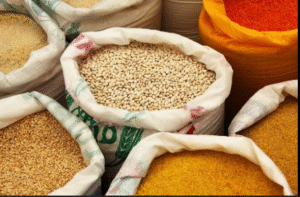 Rich in dietary fiber, plant-based protein, and vital minerals that promote cardiovascular health, beans and lentils are heart-healthy powerhouses. They have no cholesterol, are naturally low in fat, and are a great source of soluble fiber, which lowers LDL cholesterol, a key cause of heart disease.
Over time, the soluble fiber in beans and lentils lessens the pressure on the heart by slowing digestion and promoting stable blood sugar levels. Their high potassium concentration promotes better circulation, lowers blood pressure, and relaxes blood vessel walls. These legumes include magnesium, which is essential for controlling the heartbeat and avoiding irregular heart rhythms.
By lowering consumption of saturated fat and offering a more nutrient-dense, cleaner protein source, substituting beans and lentils for red meat in meals can greatly enhance heart health.
Nutritional Information (around 198g for beans and 198g for lentils per cup cooked):
Beans (average Black, Kidney, and Pinto)
Approximately 225 kcal
15g of protein
1g of total fat (less than 0.2g of saturated fat)
40g of carbohydrates
15g of dietary fiber
~750 mg of potassium (16% DV)
About 80 mg (20% DV) of magnesium
~4 mg (22% DV) of iron
0 mg of cholesterol
The lentil
Approximately 230 kcal
18g of protein
0.8g of total fat
40g of carbohydrates
16g of dietary fiber
~730 mg of potassium (15% DV)
About 71 mg (18% DV) of magnesium
~6.6 mg (37% DV) of iron
0 mg of cholesterol
Tip: For a heart-healthy, satisfying supper, try lentils in curries, patties, or heated bowls, and add beans to salads, soups, or stews.
Rich in dietary fiber, plant-based protein, and vital minerals that promote cardiovascular health, beans and lentils are heart-healthy powerhouses. They have no cholesterol, are naturally low in fat, and are a great source of soluble fiber, which lowers LDL cholesterol, a key cause of heart disease.
Over time, the soluble fiber in beans and lentils lessens the pressure on the heart by slowing digestion and promoting stable blood sugar levels. Their high potassium concentration promotes better circulation, lowers blood pressure, and relaxes blood vessel walls. These legumes include magnesium, which is essential for controlling the heartbeat and avoiding irregular heart rhythms.
By lowering consumption of saturated fat and offering a more nutrient-dense, cleaner protein source, substituting beans and lentils for red meat in meals can greatly enhance heart health.
Nutritional Information (around 198g for beans and 198g for lentils per cup cooked):
Beans (average Black, Kidney, and Pinto)
Approximately 225 kcal
15g of protein
1g of total fat (less than 0.2g of saturated fat)
40g of carbohydrates
15g of dietary fiber
~750 mg of potassium (16% DV)
About 80 mg (20% DV) of magnesium
~4 mg (22% DV) of iron
0 mg of cholesterol
The lentil
Approximately 230 kcal
18g of protein
0.8g of total fat
40g of carbohydrates
16g of dietary fiber
~730 mg of potassium (15% DV)
About 71 mg (18% DV) of magnesium
~6.6 mg (37% DV) of iron
0 mg of cholesterol
Tip: For a heart-healthy, satisfying supper, try lentils in curries, patties, or heated bowls, and add beans to salads, soups, or stews.
9. Tomatoes: A Heart-Healthy Juicy Boost
 One of the greatest foods for heart health and a nutritional powerhouse are tomatoes. They contain a lot of antioxidants, including lycopene, which lowers oxidative stress and artery inflammation. Blood pressure and LDL cholesterol levels are known to be lowered by lycopene, which is beneficial for heart health. Vitamin C, potassium, and folate are other minerals found in tomatoes that promote healthy blood vessels and enhance cardiovascular health in general.
Tomatoes’ adaptability is one of their best qualities; you may eat them fresh in salads, cooked in soups, or mixed into sauces. In fact, cooking tomatoes can make more lycopene available, which makes them even better for heart health.
Food and Calories (per 100g):
Eighteen kcal
3.9 grams of carbs
0.9 grams of protein
Two and a half grams of fat
Fiber: 1.2 grams
Vitamin C: 17% of the required daily intake
Potassium concentrations: 237 mg
Variable by cultivar, lycopene: about 3–7 mg
Tomatoes can help keep arteries flexible, reduce plaque buildup, and maintain a healthy blood pressure level when consumed regularly. This makes them a simple yet powerful complement to a heart-healthy diet.
One of the greatest foods for heart health and a nutritional powerhouse are tomatoes. They contain a lot of antioxidants, including lycopene, which lowers oxidative stress and artery inflammation. Blood pressure and LDL cholesterol levels are known to be lowered by lycopene, which is beneficial for heart health. Vitamin C, potassium, and folate are other minerals found in tomatoes that promote healthy blood vessels and enhance cardiovascular health in general.
Tomatoes’ adaptability is one of their best qualities; you may eat them fresh in salads, cooked in soups, or mixed into sauces. In fact, cooking tomatoes can make more lycopene available, which makes them even better for heart health.
Food and Calories (per 100g):
Eighteen kcal
3.9 grams of carbs
0.9 grams of protein
Two and a half grams of fat
Fiber: 1.2 grams
Vitamin C: 17% of the required daily intake
Potassium concentrations: 237 mg
Variable by cultivar, lycopene: about 3–7 mg
Tomatoes can help keep arteries flexible, reduce plaque buildup, and maintain a healthy blood pressure level when consumed regularly. This makes them a simple yet powerful complement to a heart-healthy diet.
10. A Delightful Treat for Heart Health: Dark Chocolate
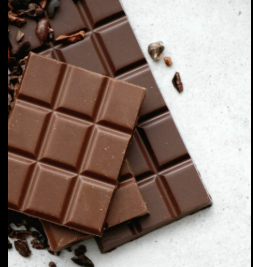 Consuming dark chocolate in moderation can provide unexpected heart health benefits. It contains potent plant compounds called flavonoids, which increase blood flow, decrease inflammation, and minimize the risk of blood clots. A healthy heart depends on improved circulation and lowered blood pressure, both of which are brought about by these antioxidants’ assistance in relaxing blood vessels.
For optimal advantages, choose dark chocolate that has at least 70% cocoa content, as it has more antioxidants and less sugar. The substances in cocoa also enhance long-term cardiovascular health by raising HDL (or “good”) cholesterol and lowering LDL (or “bad”) cholesterol.
Portion management is crucial, though; 20–30g a few times a week is sufficient to reap the advantages without going overboard on calories.
(per 100g of 70–85% dark chocolate) Calories and Nutrients:
598 kcal
46 g of carbohydrates
7.8 g of protein
42 g of fat, largely good fats
11 g of fiber
11.9 mg of iron (66% DV)
228 mg of magnesium (57% DV)
About 50–60 mg of flavonoids per gram of cocoa
You may satisfy your sweet tooth, lower stress levels, and protect your heart without feeling guilty by eating tiny amounts of high-quality dark chocolate.
Consuming dark chocolate in moderation can provide unexpected heart health benefits. It contains potent plant compounds called flavonoids, which increase blood flow, decrease inflammation, and minimize the risk of blood clots. A healthy heart depends on improved circulation and lowered blood pressure, both of which are brought about by these antioxidants’ assistance in relaxing blood vessels.
For optimal advantages, choose dark chocolate that has at least 70% cocoa content, as it has more antioxidants and less sugar. The substances in cocoa also enhance long-term cardiovascular health by raising HDL (or “good”) cholesterol and lowering LDL (or “bad”) cholesterol.
Portion management is crucial, though; 20–30g a few times a week is sufficient to reap the advantages without going overboard on calories.
(per 100g of 70–85% dark chocolate) Calories and Nutrients:
598 kcal
46 g of carbohydrates
7.8 g of protein
42 g of fat, largely good fats
11 g of fiber
11.9 mg of iron (66% DV)
228 mg of magnesium (57% DV)
About 50–60 mg of flavonoids per gram of cocoa
You may satisfy your sweet tooth, lower stress levels, and protect your heart without feeling guilty by eating tiny amounts of high-quality dark chocolate.