


Best 7 Foods for Winter
Winter presents special health challenges in addition to chilly weather and warm blankets. People’s immunity may deteriorate, their metabolism may slow down, and their energy levels frequently decline during the winter months. For this reason, picking the correct foods for winter is crucial. You may prevent common winter ailments like colds, the flu, and vitamin deficiencies by including seasonal and nutrient-rich foods in your diet.
In addition to offering warmth, seasonal foods for winter also provide vital vitamins, minerals, and antioxidants. These foods help fight winter exhaustion and seasonal low moods by naturally increasing energy levels, promoting general wellness, and even elevating mood. Adopting a dietitian-approved strategy guarantees that your body remains healthy, active, and immune-strong throughout the season, and that your daily meals are balanced with nutritious foods.
During the winter, a lot of individuals tend to eat heavy, processed foods like baked goods, sugary drinks, and fried snacks. These are not the best foods for winter, despite their allure, as they can cause weight gain, stomach issues, and weakened immunity. For this reason, it is essential to make natural, seasonal, and nutrient-rich foods a priority in your daily meals.
The top 7 winter foods that dietitians have carefully chosen and advised will be discussed in this post. You will find comprehensive details about each food’s advantages, nutritional content, and easy ways to include it in your regular diet. To help you make the most of the cold season, this guide will offer a thorough approach to seasonal nutrition, healthy eating, and winter wellbeing.
Eating the right foods during winter is important for staying healthy and energetic. Including must-eat healthy foods during winter helps boost immunity and maintain overall wellness. Seasonal fruits, vegetables, nuts, and root vegetables are excellent choices. Learn more about the top 6 winter foods and how to add them to your daily meals through this helpful guide. Stay warm, nourished, and healthy all season long!
These top 7 winter foods should be a regular part of your diet if you want to stay active, have a robust immune system, and have radiant skin. You may have a balanced, lively, and healthy winter by following this dietitian-approved approach.
Oranges: A Booster of Immunity
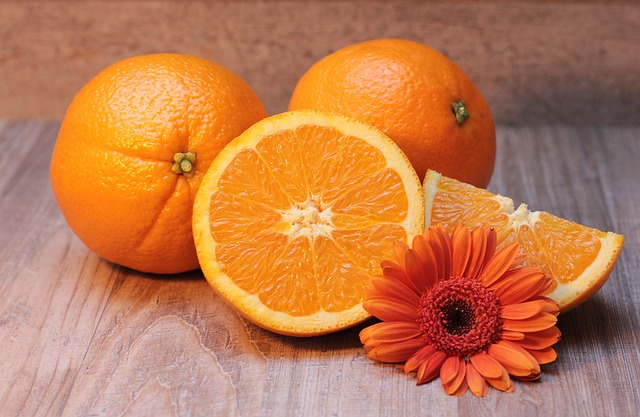 One of the most well-liked and necessary foods for winter is oranges, which are prized for both their remarkable nutritional profile and their refreshing flavor. Oranges are a great option during the winter months when colds, the flu, and seasonal infections are widespread since they are high in vitamin C, which strengthens the immune system. Oranges can help your body fight off infections, lower inflammation, and improve general health if you include them in your winter diet.
Nutritional Advantages:
Rich in vitamin C, which strengthens defenses Packed in antioxidants that fight free radicals includes fiber, which promotes gut health and digestion. provide vital elements for heart health, such as potassium.Why Oranges Are Ideal for Winter:
The body becomes more susceptible to viruses throughout the winter months due to a decline in immunity. Oranges naturally support your health because they are a seasonal food for the winter. They are perfect for keeping a healthy weight because they are low in calories and hydrating.How to Eat Oranges Every Day:
Snack on them fresh in between meals. Include orange slices in your salads or cereal in the morning. Drink sugar-free, fresh orange juice. For taste and nourishment, add zest to warm drinks or winter treats.Including oranges in your daily diet ensures you are consuming a dietitian-approved healthy food that supports immunity, energy, and overall wellness. They are easy to access, budget-friendly, and suitable for people of all ages.
The Winter Superfood for Skin and Eyes: Carrots
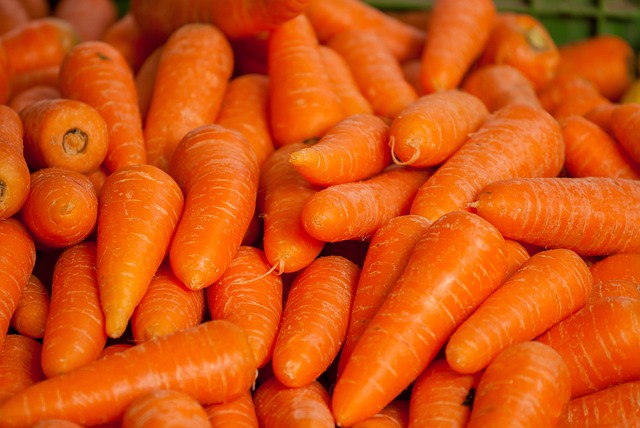 Carrots are one of the greatest foods for winter since they are a versatile and nutrient-dense vegetable. Carrots, which are high in vitamin A and antioxidants, support good eyesight, radiant skin, and a robust immune system throughout the winter. Regular consumption of carrots can also enhance digestion and promote general well-being, which is crucial during the winter months when the body requires more nutrients to maintain vitality and health.
Nutritious Advantages:
Vitamin A is good for healthy eyes Packed with antioxidants that combat free radicals A healthy source of fiber to aid in digestion includes important vitamins, including potassium, K, and C.Why Carrots Are Perfect for Winter:
Carrots are naturally warming and seasonal, which makes them ideal seasonal foods for winter. Their nutrients help combat dryness in skin and hair caused by cold weather, and the fiber content helps maintain healthy digestion during the winter months.
How to Include Carrots in Your Daily Diet:
Eat raw carrots as a snack with hummus or yogurt
Add grated carrots to salads or sandwichesCook carrots in soups, stews, or roasted vegetable dishes
Blend carrots into smoothies or juices for a healthy boost
Carrots are easy to find, affordable, and simple to include in various meals, making them an excellent addition to your winter diet.
Ginger: A Warming Spice for Winter
 Ginger’s inherent warming qualities and health advantages make it one of the best foods for winter. Ginger, which is well-known for its potent scent and mildly spicy taste, aids in better digestion, increases circulation, and keeps the body warm during the winter. Additionally, it is frequently used in soups and teas to relieve sore throats and ward off typical winter illnesses.
Nutritional Advantages:
includes gingerol, a potent anti-inflammatory and antioxidant substance. helps with digestion and lessens bloating Aids in the natural relief of cold and flu symptoms, increases blood flow, and keeps the body warm.The Reasons Ginger Is Ideal for Winter:
Frequent colds and slowed digestion are two consequences of winter weather. As a seasonal food for the winter, ginger boosts metabolism, strengthens the body’s defenses, and offers natural warmth. The body is kept warm and healthy by consuming ginger tea or incorporating ginger into meals.How to Eat Ginger Every Day:
Make a fresh ginger tea with lemon and honey. Add grated ginger to stir-fries, stews, and soups. For a zesty taste and nutritious boost, add ginger to smoothies. Use powdered ginger in winter beverages or baked goods. During the winter, ginger is a natural and adaptable approach to staying warm and healthy. It is a vital winter substance that may be used in many different ways every day due to its potent ingredients.Garlic: The Winter Essential That Boosts Immunity
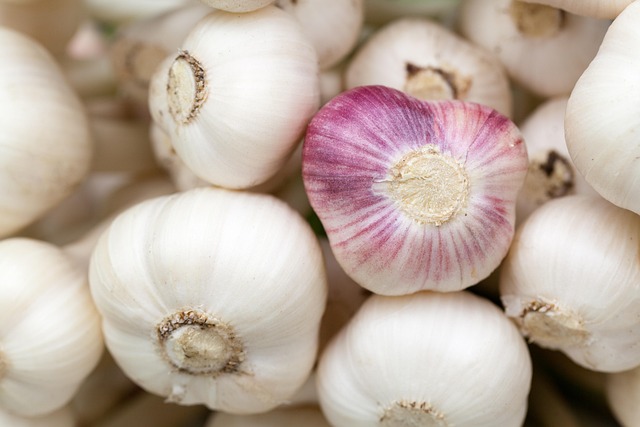 One of the greatest foods for winter is garlic, which is a common element in many dishes. It is a potent addition to your meals in the winter because of its potent flavor and therapeutic qualities. Garlic is well known for boosting immunity and assisting the body in fending off common wintertime ailments like the flu and colds.
Nutritional Advantages:
includes the natural substance allicin, which has antiviral and antibiotic qualities. controls blood pressure and cholesterol to promote heart health. increases immunity and aids in infection prevention High in manganese, vitamin B6, and CWhy Garlic Is Ideal for Winter:
The immune system is more vulnerable to seasonal viruses in the winter. As a seasonal food for the winter, garlic enhances meals and fortifies your body’s defenses. Because of its inherent antibacterial qualities, it’s a useful component for maintaining bodily health during the winter.How to Eat Garlic Every Day:
Add crushed garlic to sauces, stews, and soups. For a tasty side dish, roast garlic with meats or veggies. Add finely sliced garlic to dips or salads. Add garlic to winter vegetable meals or stir-fries. Garlic is inexpensive, simple to use, and very beneficial for preserving health throughout the winter. Regularly incorporating it into your meals improves flavor and promotes general well-being.Walnuts and Almonds: The Wintertime Energy Boosters
 Among the most nutrient-dense foods for winter are almonds and walnuts, which offer necessary minerals, protein, and good fats that are ideal for the chilly months. In addition to being a handy snack, these nuts boost cognitive health, sustain energy levels, and naturally keep the body warm. Including walnuts and almonds in your daily diet guarantees that you are eating nutrient-dense, healthful foods that promote general well-being throughout the winter.
Nutritious Advantages:
Rich in healthful fats (monounsaturated fats in almonds, omega-3 in walnuts) A fantastic source of protein for healthy muscles and energy High in antioxidants, magnesium, and vitamin E increases immunity and aids in heart health maintenance.Why Almonds and Walnuts Are Ideal for Winter:
Because of the shorter days and colder temperatures, winter can frequently result in decreased energy and exhaustion. Almonds and walnuts are examples of seasonal foods for winter that boost metabolism, prolong energy, and enhance cognitive function. They provide vital nutrients and are perfect for eating as a snack in between meals.How to Incorporate Walnuts and Almonds into Your Daily Diet:
Snack on a tiny amount in the morning or at night. Add chopped nuts to yogurt bowls, smoothies, or porridge. Add to baked products, salads, and roasted veggie dishes. For winter drinks or spreads, blend walnuts into nut butter.By including almonds and walnuts as part of your foods for winter, you ensure a nutrient-dense, warming, and satisfying diet. These nuts are easy to find, budget-friendly, and a simple way to enhance your winter nutrition naturally.
The Winter Nutrient Superstars: Spinach and Leafy Greens
 Because they are high in vital vitamins, minerals, and antioxidants that support health during the cold season, spinach and other leafy greens are among the most important foods for winter. These nutrient-dense meals are ideal for individuals who wish to maintain their energy and immune system without gaining too much weight, as they are naturally low in calories and high in nutrients. Your body will get the nutrition it needs to survive the winter months if you include seasonal foods like spinach, kale, and mustard greens in your regular meals.
Nutritional Benefits:
Rich in iron, supporting energy levels and preventing winter fatigue
High in Vitamin C, Vitamin K, folate, and calcium for overall wellness
Contains antioxidants like beta-carotene and lutein for skin and eye health
Excellent source of fiber, aiding digestion and maintaining gut health.
Why Leafy Greens and Spinach Are Ideal for Winter:
Due to a lack of nutrients, many people experience sluggishness, weakened immunity, and skin problems throughout the winter. As staple foods for winter, spinach and other leafy greens naturally assist in fighting these problems. Their high fiber content aids in digestion, and their vitamins and antioxidants shield the body from free radicals, maintaining healthy skin and a robust immune system.How to Incorporate Leafy Greens and Spinach into Your Daily Diet:
For a nutritional boost, add fresh spinach to soups, stews, or broths. Add seasonal veggies to salads or wraps. For an energy boost in the morning, blend spinach into smoothies. For a hearty winter side dish, lightly sauté with garlic, olive oil, or spices.Spinach and other leafy greens are versatile, budget-friendly, and easy to include in your winter meals. By making them a regular part of your food for winter, you ensure a balanced diet that provides energy, supports immunity, and keeps your body healthy throughout the season.
The Sweet Potato
 Sweet potatoes are one of the most versatile and nutritious foods for winter for anyone attempting to maintain a healthy and active lifestyle. Rich in fiber, complex carbohydrates, vitamins, and minerals, sweet potatoes provide sustained warmth and vitality. This is especially important in the winter when the body needs more fuel to sustain core temperature and metabolism. Because they are naturally sweet, pleasant, and easy to incorporate into a range of winter cuisines, these nutrient-dense foods are ideal for a balanced seasonal diet.
Nutritional Advantages:
Rich in complex carbs for long-lasting energy A great source of fiber that promotes gut health and digestion Packed with beta-carotene, or vitamin A, for healthy skin and eyes includes antioxidants, potassium, and vitamin C to strengthen immunity. Low glycemic index, which aids in keeping blood sugar levels steadyWhy Sweet Potatoes Are Ideal for Winter:
Although many comfort meals are unhealthy, winter can make individuals seek warm, cozy foods. As one of the best foods for winter, sweet potatoes provide the ideal balance of nutrients, flavor, and warmth. They maintain the digestive system functioning, boost immunity, and help avoid winter tiredness. Adding sweet potatoes to your meals guarantees a healthy, natural, and satisfying choice that will keep you full and invigorated even on long, cold days.How to Eat Sweet Potatoes Every Day:
Bake or roast them for a snack or side dish. Prepare stews or soups with creamy sweet potatoes. Add to winter casseroles, salads, and curries. For a nutritious substitute for standard mashed potatoes, mash them with herbs or spices. Add a nutritious boost by blending into desserts or smoothies. You may add a diverse, nutrient-dense, and tasty complement to your regular meals by using sweet potatoes in your foods for winter. In addition to keeping you warm and satisfied, these nutritious foods offer vital nutrients that promote immunity, vitality, and general well-being all season long. Anyone who wishes to enjoy the winter months without sacrificing their health must include sweet potatoes in their diet.In conclusion,
Maintain your health and vitality during the winter. Choosing the correct foods for winter is crucial to preserving immunity, energy, and general well-being during the winter, which is when your health needs particular attention. Incorporating nutrient-dense, seasonal foods such as oranges, carrots, ginger, garlic, almonds, leafy greens, and sweet potatoes guarantees that your body receives vital vitamins, minerals, antioxidants, and fiber to maintain its strength throughout the winter. The ideal time of year to concentrate on nutrition and incorporate foods for winter into your regular diet is winter. Throughout the winter, eating seasonal fruits, vegetables, nuts, and root vegetables can strengthen your immunity and provide you with energy. See our post on the Top 12 Seasonal Foods for Every Month of the Year to learn more about seasonal foods throughout the year. The healthiest foods to eat each month to keep nourished and healthy are covered in detail in this article. You may maintain a balanced diet throughout the year by incorporating a range of seasonal items into your meals. These seasonal foods for winter improve digestion, skin health, and mental well-being in addition to helping prevent common ailments like the flu, cold, and weariness. You may maintain a high level of energy while taking advantage of the warmth, sustenance, and comfort of winter by including these foods in your daily diet. These seven ingredients make up a balanced winter diet that offers a healthy, sustainable, and natural strategy to preserve health and strengthen immunity. Consuming a range of nutrient-dense foods guarantees that you are promoting long-term health in addition to avoiding seasonal ailments. Recall that winter eating doesn’t have to be difficult. Easy actions like incorporating fresh fruits, veggies, nuts, and root vegetables into your meals can have a significant impact. Everyone may enjoy these foods in winter because they are simple to prepare, affordable, and tasty.Warm, filling meals that satisfy the body and the spirit are what winter demands. Seasonal meals increase immunity and shield you from the cold, keeping you robust and healthy on colder days. Winter is made pleasant and healthful with a steaming bowl of wholesome cuisine that gives warmth, comfort, and wellness.