


PCOS Diet: 10 Best Foods to Eat for Hormonal Balance
 In this post, “PCOS Diet: 10 Best Foods to Eat for Hormonal Balance,” we’ll look at how some foods can help women with PCOS manage their hormones naturally, lower inflammation, and alleviate symptoms. I wrote this essay as a human nutrition and dietetics student using scientific knowledge in an easy-to-read style that will benefit both students and general readers.
Women of reproductive age are susceptible to PCOS, a common hormonal disorder. It may cause weight gain, acne, irregular periods, excessive levels of androgen (male hormone), and possibly infertility. Food is essential for managing PCOS and fostering hormonal balance, in addition to medication and lifestyle changes.
The top 10 PCOS-friendly foods will be covered in this post. These foods can help women with PCOS control their weight, reduce insulin resistance, and naturally balance their hormones.
In this post, “PCOS Diet: 10 Best Foods to Eat for Hormonal Balance,” we’ll look at how some foods can help women with PCOS manage their hormones naturally, lower inflammation, and alleviate symptoms. I wrote this essay as a human nutrition and dietetics student using scientific knowledge in an easy-to-read style that will benefit both students and general readers.
Women of reproductive age are susceptible to PCOS, a common hormonal disorder. It may cause weight gain, acne, irregular periods, excessive levels of androgen (male hormone), and possibly infertility. Food is essential for managing PCOS and fostering hormonal balance, in addition to medication and lifestyle changes.
The top 10 PCOS-friendly foods will be covered in this post. These foods can help women with PCOS control their weight, reduce insulin resistance, and naturally balance their hormones.
The Significance of Diet in PCOS
Insulin resistance, or an improper response to insulin by the body, is common in women with PCOS. This results in elevated blood insulin levels, which can raise androgen (male hormones like testosterone) production. Numerous PCOS symptoms, including acne, excessive hair growth, and irregular ovulation, are brought on by these androgens. The importance of diet is because…- Increasing sensitivity to insulin
- Cutting down on persistent inflammation
- promoting the balance of hormones
- Helping with weight control
- Encouraging improved mood and vitality
10 Best Foods to Eat for Hormonal Balance in PCOS
These ten foods can help women with PCOS control insulin resistance, maintain hormone balance, and enhance their general health. I have also included basic Desi dietary advice for each one as a nutrition student.
1. Leafy Greens (Spinach, Kale, Methi, Saag)
 Why is it beneficial for PCOS
Magnesium, folate, vitamin C, and antioxidants are abundant in leafy greens and can help balance hormones and reduce inflammation. They are perfect for controlling insulin and blood sugar levels because they are also low in calories and carbs.
Desi Advice:
Use spinach (palak) as palak-paneer, daal, or sabzi. In chapatis, add methi (fenugreek) leaves. Iron levels, which are frequently low in PCOS patients because of irregular periods, are also supported by these greens.
Why is it beneficial for PCOS
Magnesium, folate, vitamin C, and antioxidants are abundant in leafy greens and can help balance hormones and reduce inflammation. They are perfect for controlling insulin and blood sugar levels because they are also low in calories and carbs.
Desi Advice:
Use spinach (palak) as palak-paneer, daal, or sabzi. In chapatis, add methi (fenugreek) leaves. Iron levels, which are frequently low in PCOS patients because of irregular periods, are also supported by these greens.
2. Berries (Strawberries, Blueberries, Mulberries)
 Why it helps with PCOS:
Antioxidants, fiber, and vitamin C are abundant in berries. PCOS frequently has elevated levels of oxidative stress, which they help combat. In contrast to sugary treats, they are healthy due to their inherent sweetness.
Desi Advice:
Fresh berries can be added to smoothies, oat bowls, or dahi (yogurt). Antioxidant-rich seasonal options in Pakistan include jamun and falsa.
Why it helps with PCOS:
Antioxidants, fiber, and vitamin C are abundant in berries. PCOS frequently has elevated levels of oxidative stress, which they help combat. In contrast to sugary treats, they are healthy due to their inherent sweetness.
Desi Advice:
Fresh berries can be added to smoothies, oat bowls, or dahi (yogurt). Antioxidant-rich seasonal options in Pakistan include jamun and falsa.
3. Fatty Fish (Salmon, Sardines, Rohu, Trout)
 Why it helps with PCOS:
Fatty fish are a good source of omega-3 fatty acids, which have anti-inflammatory and hormone-regulatory effects. Omega-3 fatty acids may potentially lower testosterone levels in women with PCOS.
Desi Tip:
Once or twice a week, serve grilled or steamed fish or rohu. Avoid deep-frying the fish to preserve its healthy lipids.
Why it helps with PCOS:
Fatty fish are a good source of omega-3 fatty acids, which have anti-inflammatory and hormone-regulatory effects. Omega-3 fatty acids may potentially lower testosterone levels in women with PCOS.
Desi Tip:
Once or twice a week, serve grilled or steamed fish or rohu. Avoid deep-frying the fish to preserve its healthy lipids.
4. Nuts and Seeds (Almonds, Walnuts, Flaxseeds, Chia)
 Why is it beneficial for PCOS
These are wonderful sources of fiber, protein, and beneficial fats. Particularly well-known for their capacity to lower androgen levels and promote estrogen balance are flaxseeds and chia seeds.
Desi Advice:
Crush the flaxseeds and sprinkle them over fruit bowls, smoothies, or atta (flour). An ideal PCOS-friendly snack is a handful of soaked walnuts or almonds.
Why is it beneficial for PCOS
These are wonderful sources of fiber, protein, and beneficial fats. Particularly well-known for their capacity to lower androgen levels and promote estrogen balance are flaxseeds and chia seeds.
Desi Advice:
Crush the flaxseeds and sprinkle them over fruit bowls, smoothies, or atta (flour). An ideal PCOS-friendly snack is a handful of soaked walnuts or almonds.
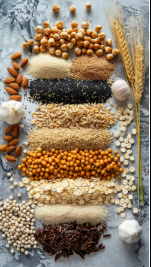
5. Whole Grains (Oats, Brown Rice, Quinoa, Bajra)
Why is it advantageous for PCOS? Due to their low glycemic index, which shows that sugar is absorbed into the bloodstream gradually, whole grains aid with insulin regulation and prevent blood sugar spikes. Desi Suggestion: Replace the white rice each day with brown rice or bajra roti. Nut and seed oat porridge is a filling and nutritious way to start the day.6. Legumes and Lentils (Chana, Daal, Rajma)
 Why PCOS benefits from it:
Legumes are rich in complex carbs, fiber, and protein. They help control blood sugar levels and prolong feelings of fullness, which lessens cravings and needless eating.
Desi Hint:
Consume mixed daal with chapati or brown rice. For a snack that is good for your hormones, make chana chaat with lemon, tomatoes, and mint.
Why PCOS benefits from it:
Legumes are rich in complex carbs, fiber, and protein. They help control blood sugar levels and prolong feelings of fullness, which lessens cravings and needless eating.
Desi Hint:
Consume mixed daal with chapati or brown rice. For a snack that is good for your hormones, make chana chaat with lemon, tomatoes, and mint.
7. Avocados
 Why is it beneficial for PCOS
Monounsaturated fats and potassium, which are abundant in avocados, promote the production of hormones and lower inflammation. Additionally, they are beneficial for skin health, which PCOS can impact.
Desi Advice:
Use avocado as a spread or dip after mashing it and adding lemon juice, salt, and black pepper. Olives or tiny amounts of mustard oil can provide comparable fats if they’re not readily accessible locally or are too costly.
Why is it beneficial for PCOS
Monounsaturated fats and potassium, which are abundant in avocados, promote the production of hormones and lower inflammation. Additionally, they are beneficial for skin health, which PCOS can impact.
Desi Advice:
Use avocado as a spread or dip after mashing it and adding lemon juice, salt, and black pepper. Olives or tiny amounts of mustard oil can provide comparable fats if they’re not readily accessible locally or are too costly.
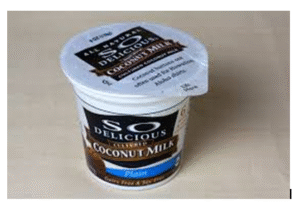
8. Greek Yogurt or Desi Dahi (Low-fat)
 Why it’s beneficial for PCOS:
Probiotics and calcium, which are both necessary for gut and hormonal health, are found in yogurt. Better nutrition absorption and increased insulin sensitivity are supported by a healthy gut.
Desi Tip:
Serve a bowl of dahi for dinner or lunch. For a lassi that is good for your stomach, you may also mix it with fruit. To steer clear of hidden sugars, opt for plain, unsweetened yogurt.
Why it’s beneficial for PCOS:
Probiotics and calcium, which are both necessary for gut and hormonal health, are found in yogurt. Better nutrition absorption and increased insulin sensitivity are supported by a healthy gut.
Desi Tip:
Serve a bowl of dahi for dinner or lunch. For a lassi that is good for your stomach, you may also mix it with fruit. To steer clear of hidden sugars, opt for plain, unsweetened yogurt.
9. Turmeric and Cinnamon
 Why PCOS benefits from it:
Curcumin, a substance having anti-inflammatory and insulin-sensitizing properties, is found in turmeric. It has been demonstrated that cinnamon lowers insulin resistance and controls blood sugar.
Desi Hint:
Frequently incorporate haldi (turmeric) into daals and sabzis. Sprinkle the powdered cinnamon (dalchini) over cereals or yogurt, or mix it into heated milk.
Why PCOS benefits from it:
Curcumin, a substance having anti-inflammatory and insulin-sensitizing properties, is found in turmeric. It has been demonstrated that cinnamon lowers insulin resistance and controls blood sugar.
Desi Hint:
Frequently incorporate haldi (turmeric) into daals and sabzis. Sprinkle the powdered cinnamon (dalchini) over cereals or yogurt, or mix it into heated milk.
10. Dark Chocolate (at least 70% cocoa)
 Why is it beneficial for PCOS
Magnesium, antioxidants, and substances that improve mood are all found in dark chocolate. When taken in moderation, it can provide cardiovascular benefits, elevate mood, and lessen sugar cravings.
Desi Advice:
After lunch or dinner, eat one or two tiny pieces. Select premium dark chocolate with little added sugar.
Why is it beneficial for PCOS
Magnesium, antioxidants, and substances that improve mood are all found in dark chocolate. When taken in moderation, it can provide cardiovascular benefits, elevate mood, and lessen sugar cravings.
Desi Advice:
After lunch or dinner, eat one or two tiny pieces. Select premium dark chocolate with little added sugar.
Foods to Avoid in PCOS
While certain foods can aid in the management of PCOS, others can exacerbate symptoms by causing weight gain, insulin resistance, and inflammation. The following foods are typically recommended to be avoided or limited: 1. Carbohydrate Refinement- White rice, white bread, biscuits, and pastries
- These rapidly raise insulin levels by spiking blood sugar.
- packaged juices, soft drinks, baked goods, and desserts
- cause hormone imbalance, elevated abdominal fat, and insulin surges.
- Burgers, French fries, pakoras, and samosas
- High in calories and trans fats, causing weight gain and inflammation
- Nuggets, sausages, and frozen or deep-fried kebab rolls
- frequently include saturated fats and preservatives.
- For sensitive people, high-fat milk, cheese, and cream can occasionally exacerbate hormonal acne and inflammation.
- Excessive caffeine can raise the stress hormone cortisol and interfere with sleep.
Sample Desi Meal Plan for PCOS (Balanced + Practical)
Following the concept of “PCOS Diet: 10 Best Foods to Eat for Hormonal Balance,” here is a straightforward, Desi-style meal plan that is compatible with PCOS: Breakfast- One slice of whole wheat bread and one cooked egg
- One cup of cinnamon-infused green tea
- Almonds soaked in a handful
- An alternative would be oats cooked with chia seeds and berries in low-fat milk.
- One tiny orange or apple
- One glass of unsweetened dahi or plain lassi
- One or two chapatis (made with whole wheat or flaxseed)
- Sabzi with mixed vegetables, including spinach, carrots, and methi
- A bowl of barbecued fish or daal
- salad with lemon, tomato, and cucumber
- A single boiled sweet potato or roasted chana
- Herbal tea with ginger, cinnamon, and tulsi
- Daal, brown rice, or one roti with grilled fish or chicken
- Sautéed palak or steamed vegetables
- A dash of black salt added to dahi
20 benefits to eat best food for PCOS diet
Balances Hormones: The best foods for PCOS help keep testosterone, progesterone, and estrogen levels in the proper range. In order to minimize PCOS symptoms like acne, irregular periods, and hair growth, a nutrient-rich PCOS diet supports the endocrine system, lowers excess androgen production, and enhances overall hormonal health. Enhances Menstrual Cycle: A PCOS diet that includes a nutritious food can help to improve the regularity and predictability of periods. The PCOS diet’s top foods promote better ovulation, lessen excruciating cramps, and enhance hormone regulation to ensure a balanced cycle. A healthy reproductive rhythm may eventually be restored as a result. Promotes Healthy Weight Control: By increasing metabolism and decreasing harmful fat storage, the best foods for PCOS diet aid in maintaining a healthy body weight. A balanced PCOS diet helps you lose weight gradually and sustainably while maintaining muscle mass, preventing overeating, and prolonging feelings of fullness. Enhances Sensitivity to Insulin The best foods for PCOS, particularly those high in fiber, lean protein, and healthy fats, improve insulin sensitivity. A balanced PCOS diet minimizes the long-term risk of insulin resistance and type 2 diabetes, stabilizes blood sugar, and lessens abrupt energy dumps. Boosts Steady Energy Levels: Complex carbohydrates, healthy fats, and proteins are the best foods for PCOS diet in order to deliver slow-releasing energy. This helps you stay active, avoid midday weariness, and maintain productivity throughout the day without consuming too much sugar or caffeine. Reduces Type 2 Diabetes Risk A well-rounded PCOS diet that emphasizes low-glycemic foods aids in preserving appropriate insulin and blood sugar levels. The PCOS diet’s best foods help the pancreas stay healthy, cut down on sugar intake, and eventually lessen the risk of type 2 diabetes. Enhances Fertility: The PCOS diet’s top foods promote ovulation by regulating reproductive hormones and enhancing the quality of eggs. Essential vitamins, minerals, and good fats are provided by a nutrient-rich PCOS diet, which also helps the body get ready for conception and raises the likelihood of a healthy pregnancy. Reduces Inflammation: Chronic low-grade inflammation is a common sign of PCOS in women, and it can exacerbate symptoms. The best foods for PCOS, particularly those high in antioxidants, omega-3 fatty acids, and anti-inflammatory substances, can reduce inflammation, enhance metabolic health, and lessen discomfort over time. Promotes Healthy Skin: Vitamins, minerals, and antioxidants found in the best foods for PCOS help to nourish the skin from the inside out. A balanced PCOS diet makes the skin look healthier and clearer by lowering acne, excessive oil production, and skin darkening (hyperpigmentation), which is frequently caused by hormonal imbalance. Promotes Healthy Hair Protein, iron, zinc, and omega-3 fatty acids are found in the best foods for PCOS diets, which encourage robust hair development and lessen thinning. Hirsutism, or excessive body or facial hair growth brought on by elevated testosterone levels, can also be slowed down with a nutrient-rich PCOS diet. Enhances Emotional Health and Mood The best foods for PCOS help control blood sugar levels and promote the synthesis of dopamine and serotonin, two neurotransmitters that regulate mood. A well-balanced PCOS diet might help you feel more at ease and optimistic by lowering mood fluctuations, anxiety, and despair that are frequently linked to hormonal imbalance.- Promotes Gut Health: Fiber, probiotics, and prebiotics are the best foods for PCOS diets since they help maintain a healthy digestive tract. A well-balanced PCOS diet promotes the development of good gut flora, enhances digestion, and lessens bloating, a major annoyance for women with PCOS.