Top 10 Tips to Break a Weight Loss Plateau
Introduction
What is a Weight Loss Plateau?
When you continue to follow the same diet and exercise regimen but your body weight stops dropping, it’s known as a weight loss plateau. Weight normally decreases rapidly in the beginning as a result of your body losing excess water and glycogen storage. However, after a few weeks or months, the scale gradually stops moving, and the process slows down. Nutritionists refer to this “stuck weight” phase as a plateau.
It is critical to realize that a plateau in weight loss does not indicate failure. It merely indicates that your body has adjusted to the energy balance that is in place right now. In other words, it gets more difficult to lose fat because your caloric intake and expenditure are nearly identical. This phase affects almost everyone who attempts to lose weight at some point, and it is naturally surmountable with the correct techniques.
Why Does Weight Loss Get Stuck?
The majority of the reasons why weight reduction stalls are connected to the way the body adapts to defend itself. In order to conserve energy, your metabolism also slows down when you cut calories. The body uses this as a natural survival strategy, which gradually makes fat removal more difficult.
Foods and beverages that have hidden calories are another factor. Sometimes people consume more than they think; too many sauces, sugary drinks, or even nutritious snacks might impede progress. Lack of exercise variation is another problem; if you perform the same thing every day, your body will adjust and burn fewer calories.
Two other important factors are stress and inadequate sleep. Cortisol levels are elevated by high amounts of stress, which encourages the storage of fat, particularly around the abdomen. Likewise, a lack of good sleep disrupts hormones like ghrelin and leptin, which slows fat burning and increase hunger.
To put it succinctly, the body adjusts, metabolism slows, hidden calories enter, and lifestyle factors like stress and sleep greatly influence weight reduction. As we will discuss in the next suggestions, the good news is that these problems may be resolved with minor yet impactful adjustments.
Adding nutritious traditional foods can also be beneficial in addition to these suggestions. For further information, see our guide on
7 Desi Foods for Weight Loss and Disease Control.
10 Tips to Break a Weight Loss Plateau
1. Verify Your Calorie Consumption Again
Inaccurate calorie tracking is one of the most frequent causes of a weight loss plateau. People typically measure their meals carefully when they first start a diet. Small errors, however, can accumulate over time. For example, adding extra spoonfuls of rice, cooking oil, sauces, or even nutritious snacks like almonds can subtly raise daily caloric consumption. Although these “hidden calories” may not seem like much, they add enough to eliminate your calorie deficit and slow down weight loss.
It’s critical to return to the fundamentals in order to overcome the plateau. Restart keeping a food journal or utilizing a smartphone app to track your meals.
Rather than making educated guesses, use a kitchen scale to measure portion amounts. A nutritious meal can easily become a calorie bomb if you use high-calorie condiments like mayonnaise, cheese, or salad dressings. Additionally, watch out for liquid calories from bottled drinks, sweetened coffee, and juices.
Without drastically altering your diet, you can resume fat reduction by establishing a slight calorie deficit. Keep in mind that the objective is to maintain a balanced diet while controlling calories, not to starve. Often, a minor change, such as cutting back on 150–200 calories daily, is sufficient to get the scale moving again.
2. Eat More Protein
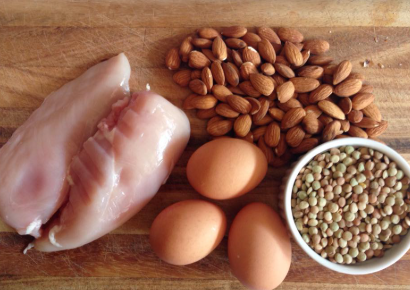
A significant factor in overcoming a weight reduction plateau is protein. Protein has a strong “thermic effect,” which means your body uses more calories to process it than it does to digest fats and carbs. It is, therefore, a vitamin that increases metabolism. Additionally, protein keeps lean muscle mass intact, which is important because losing muscle while reducing weight slows down your metabolism even more.
Make sure you’re getting enough protein in your diet if you feel like you’re staying at the same weight. Many people simply concentrate on cutting fats and carbohydrates, ignoring the fact that protein is the foundation of a long-term weight management strategy. Including meals high in protein, such as fish, poultry, eggs, lentils, beans, Greek yogurt, and cottage cheese, prolongs feelings of fullness and minimizes needless snacking.
Controlling appetite is another advantage of protein. It helps you naturally consume fewer calories by increasing satiety hormones and decreasing the hunger hormone (ghrelin). Try to incorporate protein into every meal for optimal effects. For example, have eggs for breakfast, lean meat or lentils for lunch, and yogurt or paneer for dinner. Even nutritious foods like boiled eggs or roasted chickpeas can have a significant impact.
You can support your metabolism, fuel your muscles, and overcome the weight loss plateau without feeling deprived by upping your protein consumption.
3. Change Up Your Workout Routine

Exercise adaptation is another factor that could be preventing you from losing weight. Because a new workout regimen is challenging at first, your body reacts favorably to it. However, after weeks of doing the same workout, your body grows more adept at it and burns less calories. One of the most frequent reasons for a plateau in weight loss is this.
You must alter your movement in order to go beyond this. Try adding strength training to your cardio regimen to gain muscle. Strength training raises your basal metabolic rate because muscles burn more calories even when you’re not using them.
However, adding High-Intensity Interval Training (HIIT) or cardio exercises like swimming, cycling, or jogging might force your body to move beyond its comfort zone if you already lift weights.
Your body can be shocked into burning more energy by even little adjustments like upping the intensity of your workouts, adding more sets, or cutting down on the amount of time you rest in between activities. To make working out more fun, you can also attempt enjoyable alternatives like dancing, hiking, or sports.
Keeping your body guessing is the key. You may push your muscles, increase your calorie burn, and overcome the plateau by combining different types of exercise. Keep in mind that variation, not repetition, is what leads to progress.
4. Control your stress levels

Stress is one of the most underappreciated causes of plateauing in weight reduction. High levels of cortisol, often known as the “stress hormone,” are released by your body when you are constantly under pressure from your school, job, or personal life. In addition to impairing metabolism and increasing appetites for comfort foods heavy in calories, elevated cortisol can also encourage the storage of fat, particularly around the abdomen. Even with a healthy diet and regular exercise, this makes losing weight more difficult.
Learning to control stress is more important than totally removing it, as stress is a normal part of life. Daily routines that are simple can have a significant impact. You can reduce cortisol levels and relax your mind by using yoga, deep breathing techniques, or brief meditation sessions.
Walking outside for even 20 minutes can lift your spirits and lower stress levels. Enhancing mental equilibrium can also be achieved through hobbies, music, and family time.
Controlling your stress levels can improve your body’s performance, maintain the balance of your appetite hormones, and make losing weight easier. Food and exercise may not always be the cause of your inability to lose weight; sometimes, stress in your daily life is the culprit.
5. Enhance Your Sleep to Lose Fat More Effectively

One of the most neglected aspects of breaking a weight loss plateau is getting enough sleep. Sleep deprivation can hinder your progress, even if your diet and exercise regimen are on track. Your body’s hormone balance shifts when you don’t get enough sleep; leptin, the hormone that promotes fullness, decreases, and ghrelin, the hormone that causes hunger, increases. This increases your hunger throughout the day and causes you to seek items high in calories.
In addition to slowing down your metabolism, sleep deprivation impairs your ability to burn calories during exercise. Because of this, people who routinely get less than six hours of sleep frequently end up staying the same weight.
Aim for 7 to 8 hours of good sleep per night to address this.
Make your space conducive to rest by keeping it cold, quiet, and dark. Steer clear of electronics and large meals right before bed because they can throw off your sleep schedule. You can unwind and get to sleep more quickly by establishing a quick nighttime ritual that includes warm herbal tea, meditation, or reading.
Getting enough sleep helps your body heal, rebuild muscles, and balance hormones, all of which promote fat burning. You may provide your body with the rest it requires to overcome the plateau and keep losing weight by making improvements to your sleeping patterns.
6. Remain Hydrated and Monitor Your Fluid Intake

Most individuals don’t realize how important hydration is for weight loss. Occasionally, inadequate hydration and undetected liquid calories can be the cause of your weight loss plateau rather than food. Water helps the body burn fat more effectively, enhances metabolism, and aids with digestion. Conversely, dehydration can cause fatigue, hinder your exercise, and even set off misleading hunger signals.
Make sure you consume adequate water and watch out for liquid calories. Without recognizing it, a lot of individuals eat extra calories from energy drinks, sodas, bottled juices, and specialty coffees. If they contain additional sugar or full-fat dairy, even seemingly healthy options, like fruit smoothies, can be high in calories.
These beverages might readily add 200–500 extra calories per day, obstructing any progress toward fat loss.
Drinking herbal teas, plain water, or water infused with cucumber and lemon is a clever way to deal with this. Keep your tea or coffee simple and free of excessive cream or sugar if you like it. Reusable water bottles can serve as a helpful reminder to stay hydrated throughout the day. Staying hydrated and reducing extra liquid calories will help you cut back on your intake and begin losing weight once more.
7. Try Altering the Timing of Your Meals or Fasting Occasionally

If your weight loss efforts are stagnating, it may be more effective to alter when you eat rather than what you consume. Periods of eating and fasting are alternated in the well-known method known as intermittent fasting (IF). The 16:8 method, for example, allows you to eat within an 8-hour window and then fast for 16 hours. This naturally reduces calorie intake, increases fat burning, and improves insulin sensitivity.
The goal of intermittent fasting is not to starve yourself, but to plan meals according to your body’s needs. Reduce the length of your fasting windows at first, then gradually increase them. To prevent overindulging, combine IF with meals that are well-balanced and high in fiber, protein, and healthy fats. Simple adjustments like eating three to four balanced meals rather than five or six, or cutting back on late-night munchies, can help some people get past the plateau.
8. Monitor and Modify Your Macros
Weight reduction might occasionally stall due to the macronutrient balance in your diet rather than the total number of calories consumed. Examine your protein, carbohydrate, and fat intake if you are having trouble losing weight. For instance, even if you are eating a healthy amount of calories, consuming too many refined carbohydrates (such as white bread, candies, or fried foods) might cause insulin to rise and slow down fat loss.
Increase your protein intake and steer clear of simple sweets in favor of complex carbohydrates like brown rice, quinoa, or oats to break the weight loss plateau. Nuts, seeds, avocados, and olive oil all include healthy fats that boost metabolism and satisfy hunger. Although this might vary based on individual needs, a balanced macro ratio for fat loss is typically about 40% protein, 30% carbs, and 30% fats.
You can spot errors by recording macros in a meal journal or tracking them with apps. Sometimes fat loss can be restarted by simply switching a few hundred calories from carbohydrates to protein. You can break through the plateau more quickly if you focus on “what type” of nutrients you consume in addition to “how much.”
9. Steer clear of overtraining and take breaks.
It may come as a surprise, but exercising excessively can occasionally result in a plateau in weight loss. Your body experiences extreme stress from overtraining, which slows recovery and increases cortisol levels. Muscle fatigue slows down metabolism, making it more difficult to lose fat. Even though you are exercising more than ever, this can make you feel stuck.
A vital component of progress is rest. Rest days help your muscles develop stronger and repair themselves, which eventually improves your calorie burn.
Try a balanced regimen that includes strength training three to four times a week, cardio two to three times, and at least one or two days of rest or low activity instead of overtaxing your body every day.
Stretching, yoga, and walking are examples of active recuperation techniques that can be beneficial without putting undue strain on your body. Keep in mind that being fit requires more than just working hard; it also requires working wisely. You may avoid injuries, boost performance, and get off the plateau by allowing your body to rest and recuperate.
10. Maintain Consistency While Making Minor Lifestyle Adjustments
Lastly, consistency combined with wise changes is the most effective strategy for breaking through a weight loss plateau. When the scale doesn’t move, a lot of individuals become frustrated and give up too quickly. However, plateaus are only temporary, and development can be resumed with even little adjustments.
Examine your daily schedule and make few adjustments. For better sleep, try cooking at home rather than getting takeout, cutting back on screen time before bed, substituting fruits for packaged snacks, or adding 15 minutes of walking after meals. Even while these small habits might not seem like much, they build together to make a big difference.
The true secret lies in consistency. Don’t anticipate significant changes right away. Instead, concentrate on long-lasting routines you can stick to for months or even years. Keep in mind that losing weight is a journey filled with ups and downs. You will eventually overcome the plateau and accomplish your objectives if you remain persistent, patient, and open to making adjustments.
Conclusion
Although it can be discouraging, reaching a weight reduction plateau is a common occurrence during the process. It just indicates that your body has adapted to your existing schedule, not that you have failed. You can get past this plateau and resume weight loss with minor but wise adjustments to your diet, exercise routine, sleep schedule, and way of life.
Keep in mind that the scale is not always the only way to gauge progress. Numbers can’t always reflect how your body is strengthening, gaining muscle, or becoming healthier. Be consistent, have patience with yourself, and choose long-term routines over short-term solutions.
This article ”
5 Ways to Break a Weight Loss Plateau That Actually Work offers more useful tactics.
The main takeaway is straightforward: a plateau in weight loss is only temporary. You can overcome the obstacle and keep advancing toward your objectives by putting these suggestions into practice: modifying your workouts, increasing your protein intake, reducing your calorie intake, controlling your stress, and getting better sleep. Remain inspired, have faith in the process, and acknowledge each little victory.


